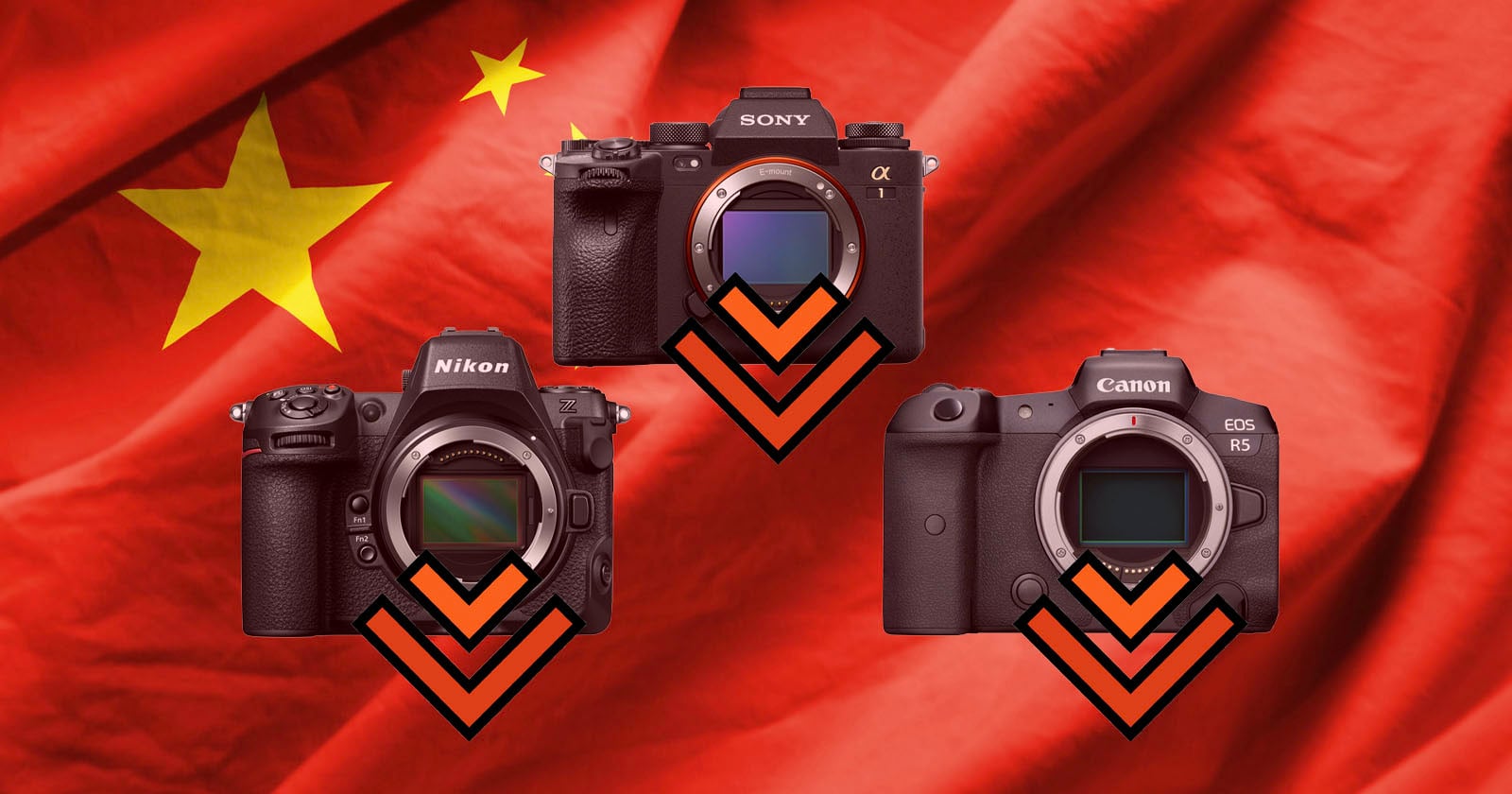
A couple of years ago, China's economy was the tide that lifted every boat, and camera manufacturers happily adjusted their forecasts upward, expecting the good times to keep rolling. Now that the tide has receded, those same companies are staring at missed targets and recalibrated expectations. It is a familiar story, but one worth sitting with, because it reveals how much of this industry's recent momentum was never about the hardware at all. It was about a specific kind of confidence, a belief that demand would keep climbing simply because the market was expanding. When that belief cracks, the entire creative economy feels the tremor, from the engineers designing new lenses to the photographers choosing whether to invest in a new body or make do with what they have.
For our readers, this shift is not an abstract macroeconomic footnote. It is the quiet context behind every price tag, every launch cycle, and every decision to buy now or wait. The boom years made it easy to chase the next great thing, but a slowdown forces a more curated approach. That is not necessarily a loss. In fact, it echoes the conversations we have been having about intentionality in this space. Consider the Unpaid shoots can signal potential, but high-fashion goals demand a curated pivot advice, where the message is about knowing when to invest your energy and when to walk away. The same logic applies to gear. If the market is no longer rewarding every upgrade, the smart move is to focus on work that matters, not on keeping pace with corporate projections. Similarly, the resurgence of Embrace the Drama: Exploring the Allure of Ultra-Low ISO Film suggests that photographers are already rediscovering the joy of limitation, of working with constraints rather than against them. A slowing economy is the ultimate constraint, and it can spark creativity just as easily as it can stifle it.
The real question is what happens next. Camera makers are not going to abandon the market, but they will likely become more conservative, doubling down on proven segments like video and hybrid shooters while trimming experimental lines. That could mean fewer risks, fewer quirky releases, and a sharper focus on the enthusiast tier. For the working photographer, this is a moment to be pragmatic. Your gear is a tool, not a status symbol, and the market's mood does not dictate the quality of your vision. If you are shooting paid work, your clients still care about results, not the quarterly earnings of a multinational corporation. The takeaway here is simple: adapt before you have to. Watch how the major brands respond, but make your own decisions based on what you actually need to create. The industry may be recalibrating, but your craft does not have to wait for permission.
One specific detail to watch is how aggressively companies discount older models to clear inventory. If the slowdown persists, those price drops could be significant, making it an opportune time to buy used or previous-generation gear. That is the silver lining in a sobering headline, a chance to build your kit at a fraction of the cost while the market recalibrates. Just do not let the sales pitch distract you from the real work. The camera is only the beginning; the story you tell with it is what endures.