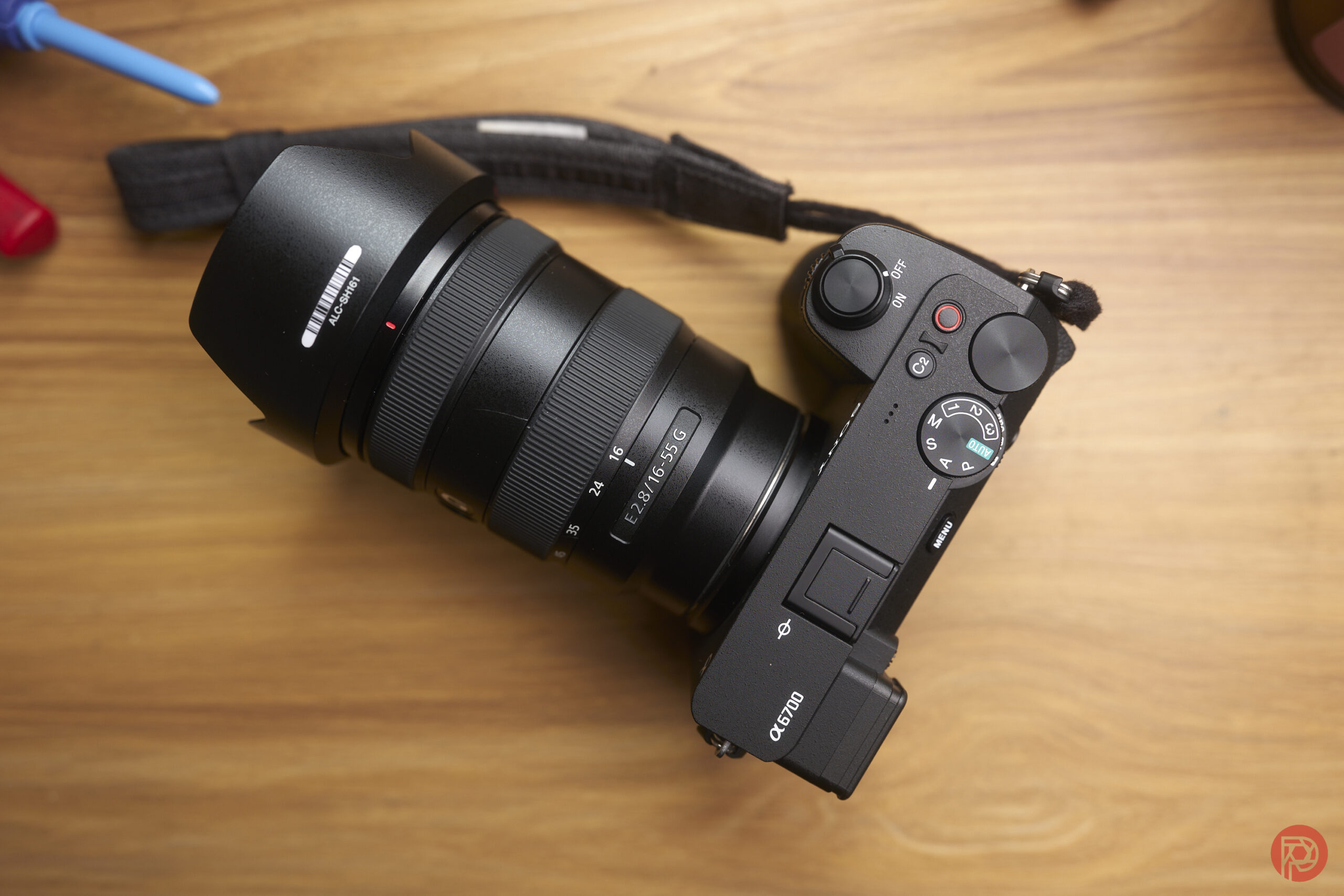
The rumor cycle has a way of turning hope into a timeline, and the latest whispers around the Sony a6900 feel different. We are not talking about a minor spec bump or a refreshed menu system. The talk is about a stacked sensor with a potential 24fps readout, but the detail that should stop you mid-scroll is the possibility of a global shutter arriving on an APS-C body. We have seen this technology make its dramatic entrance on the full-frame a9 III, and the idea that Sony would engineer that same silicon for a smaller sensor is not just plausible; it feels like the natural next act. For those of us who have watched APS-C get treated as the farm team for full-frame, this is the first real challenge to that hierarchy.
Let us be honest about what a global shutter actually changes for you in the field. It is not about chasing a higher number on the spec sheet. It is about the end of the rolling shutter look, that wobble and skew that ruins fast pans and electronic shutter bursts. Photographers have been demanding this from APS-C for years, and the silence from the big manufacturers has been deafening. If the a6900 delivers this, it breaks the unwritten rule that cropped sensors are only good for entry-level stills. It means your action shots, your street photography, and your event work will have the same clean, distortion-free lines as anything shot on a flagship. The practical consequence is that the lens becomes the only limiting factor, not the body's readout speed. That is a profound shift for the creative shooter who wants the smaller, lighter kit without sacrificing the technical edge.
When a reader asks us whether this is worth the anticipation, we would say this: pay attention to the design language more than the megapixel count. The rumor explicitly mentions that the design eliminates rolling shutter, which is the clearest admission yet that the global shutter is the point. Do not get distracted by the 24fps burst, which is impressive but secondary. The real story is that Sony is listening to the crowd that has been sidelined for too long. This is not a camera for everyone; it is a camera for the photographer who knows exactly what they want to freeze and refuses to wait for the next full-frame release to get it. It is a statement that innovation is not a luxury reserved for the largest sensor in the room.
Our take is simple: this could be the moment APS-C stops being a compromise and becomes a preference. But we are also watching for the catch, because there is always a catch. Will the global shutter on a cropped sensor maintain the dynamic range we expect, or will it trade low-light performance for speed? That is the open question we will be watching. The specific detail to watch for is not the burst rate, but the base ISO and how the new readout handles highlights. If Sony pulls this off without gutting the sensor's native sensitivity, then the a6900 will not just be a great APS-C camera; it will be the reason many of us finally leave the full-frame weight behind. That is the consequence we are holding our breath for.