Sony Is Reportedly Trying to Buy Tamron, Which Makes Perfect Sense
Our take
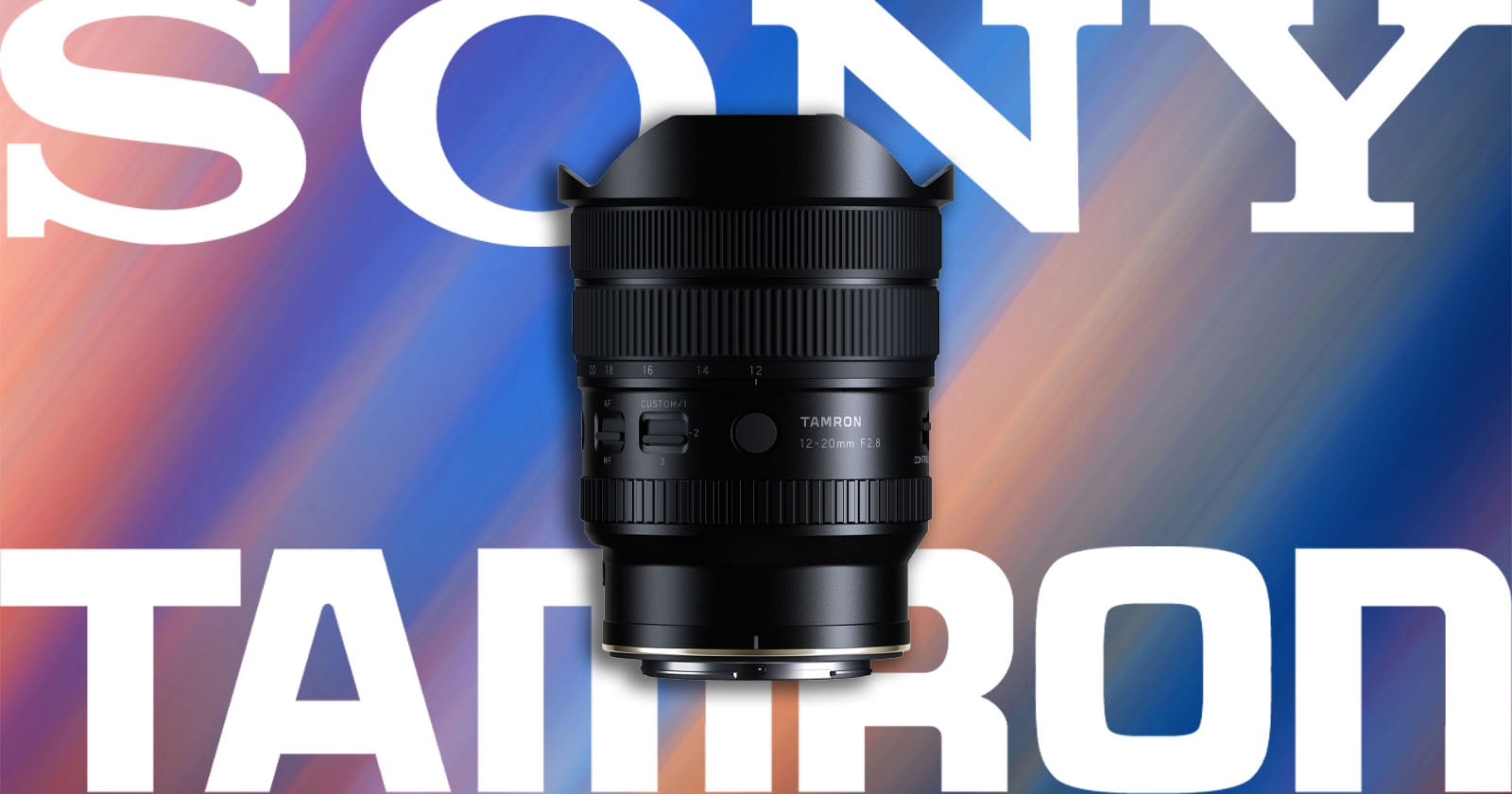
The recent reports of Sony’s potential acquisition of Tamron have sent ripples through the photography community, and for good reason. It’s a move that, as the initial article suggests, makes a surprising amount of sense given the current landscape of mirrorless camera systems. Sony’s dominance in the mirrorless market is undeniable, yet their native lens offerings, while continually improving, haven't always kept pace with the demands of their discerning user base. Independent lens manufacturers like Tamron, Sigma, and others have consistently filled crucial gaps, providing compelling alternatives—often at more competitive price points—to Sony’s own G Master series. We've seen this interplay before, as evidenced by Tamron’s recent firmware update significantly improving close-up performance of their 25-200mm f/2.8-5.6 lens [Tamron Significantly Improves Close-Up Performance of its 25-200mm f/2.8-5.6 Lens], demonstrating their capacity for innovation. The potential acquisition suggests Sony is seeking to consolidate quality control and potentially accelerate development cycles, integrating Tamron's expertise directly into their ecosystem. This also follows a period of disruption, as seen with the recent earthquake impacting Sony and Fujifilm factories [Sony and Fujifilm Evacuate Factory Workers as Earthquake Strikes Japan], highlighting the fragility of global supply chains and the strategic rationale behind such a move.
The implications for consumers are complex. On one hand, a fully integrated Sony-Tamron operation could lead to greater synergy in lens design, potentially resulting in lenses optimized specifically for Sony’s camera bodies and leveraging Sony’s advanced autofocus technology. We might see a streamlining of product lines and a reduction in redundancy, theoretically leading to a more focused and efficient lens selection. However, the concern for many photographers is the potential loss of Tamron’s distinct identity and its historically more affordable offerings. Tamron has carved out a niche by providing high-quality lenses at a price point that is often more accessible to a wider range of photographers. The vibrant work of photographers like Marcus Yam [Pulitzer-Winning Photographer Marcus Yam Is Doing it All], who rely on a versatile range of equipment, underscores the importance of diverse lens options catering to different budgets and creative needs. Will Sony maintain Tamron’s commitment to value, or will the acquisition lead to a homogenization of pricing and a greater emphasis on premium lenses?
Beyond the immediate impact on lens availability and pricing, this potential acquisition signals a broader trend within the photography industry: vertical integration. Camera manufacturers are increasingly seeking to control more aspects of the photographic ecosystem, from sensor development to lens design and even software processing. This trend is driven by a desire to maximize profits, optimize performance, and create a more seamless user experience. The rise of computational photography and AI-powered features further incentivizes manufacturers to have greater control over the entire image creation process. While this can lead to impressive technological advancements, it also raises questions about the future of independent lens manufacturers and the potential for decreased competition. The specialized nature of lens manufacturing, demanding precise engineering and optical expertise, makes it a valuable asset for any major camera player.
Ultimately, the success of a Sony-Tamron merger will hinge on how Sony manages the integration and whether they respect the unique strengths that have made Tamron a respected brand. The photography community will be watching closely to see if this acquisition leads to a flourishing of innovation and wider access to high-quality lenses or if it results in a more controlled and homogenized market. The key question moving forward is: will Sony retain Tamron’s engineering spirit and affordability, or will it prioritize integration and premiumization, potentially alienating a significant portion of the E-mount user base?
Sony has reportedly made a significant offer to buy Tamron, a leading Japanese lens manufacturer that makes more than 20 lenses for Sony E-mount mirrorless cameras.
Read on the original site
Open the publisher's page for the full experience