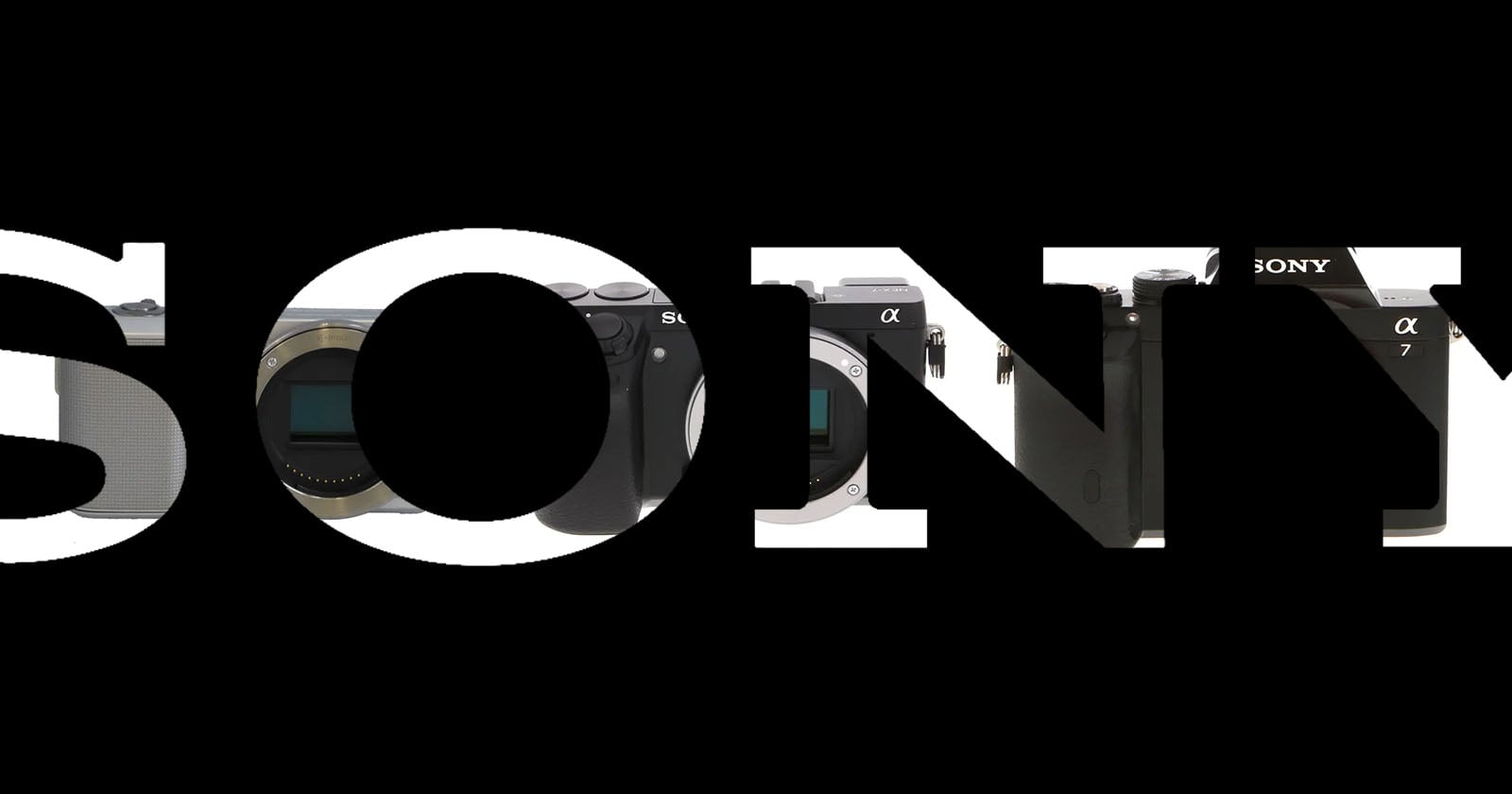
There is a particular kind of clarity that comes only after the fact, and Shigeki Ishizuka's recent interview offers exactly that. Sony's former vice chairman has confirmed what many in the industry long suspected: the company's mirrorless dominance was not a happy accident, nor was it a collaborative effort with an established rival. Sony turned down an invitation to cooperate with a market leader, choosing instead to chart its own course. For those of us who have watched the camera world pivot around this quiet giant, the revelation feels less like gossip and more like a confirmation of character. It is the difference between following a trend and setting a trajectory, and Sony's trajectory has always been one of independent vision.
Our take is simple: this is the most inspiring thing we have heard from a camera executive in years. Not because cooperation is bad, but because the refusal to be absorbed into someone else's playbook is precisely why Sony's mirrorless line feels so distinct. It would have been easy, even logical, to accept a hand extended by a market leader. That path would have offered resources, distribution, and a safety net. But Sony's bet was never about the easy path. It was about the belief that the future of photography did not belong to the companies protecting their past, but to the ones willing to burn the boats. For our readers, this is a practical lesson in brand authenticity. When you choose a Sony camera, you are not just buying a sensor or a lens mount. You are aligning with a philosophy that values innovation over consensus, and that is a meaningful distinction in a market flooded with me-too products.
What we would tell a reader who asks us about this interview is to pay attention to the timing. Ishizuka is not a marketer spinning a launch; he is a former executive speaking with the weight of hindsight and no product to sell. That gives his words a rare credibility. He is not telling us that Sony's cameras are the best because he needs us to buy one today. He is telling us that the company's willingness to say no, to walk away from a comfortable partnership, is the very reason we have the Alpha series at all. That is not a small detail. It is the foundation upon which every autofocus breakthrough and every compact body design has been built. The practical takeaway here is direct: when you see a Sony camera, you are seeing the result of a decision to remain independent, and that independence has a tangible cost and a tangible payoff.
The open question, of course, is whether Sony can maintain that spirit now that it is the market leader rather than the challenger. It is one thing to refuse cooperation when you have nothing to lose. It is another to keep making bold bets when you have a dominant share to protect. We would watch the next few product cycles with that tension in mind. The fact that Ishizuka chose to share this story now suggests he believes the company's DNA is still intact. We hope he is right, because the moment Sony starts looking for a partner to validate its next move is the moment it stops being Sony. For now, we will take the independent path, every time.