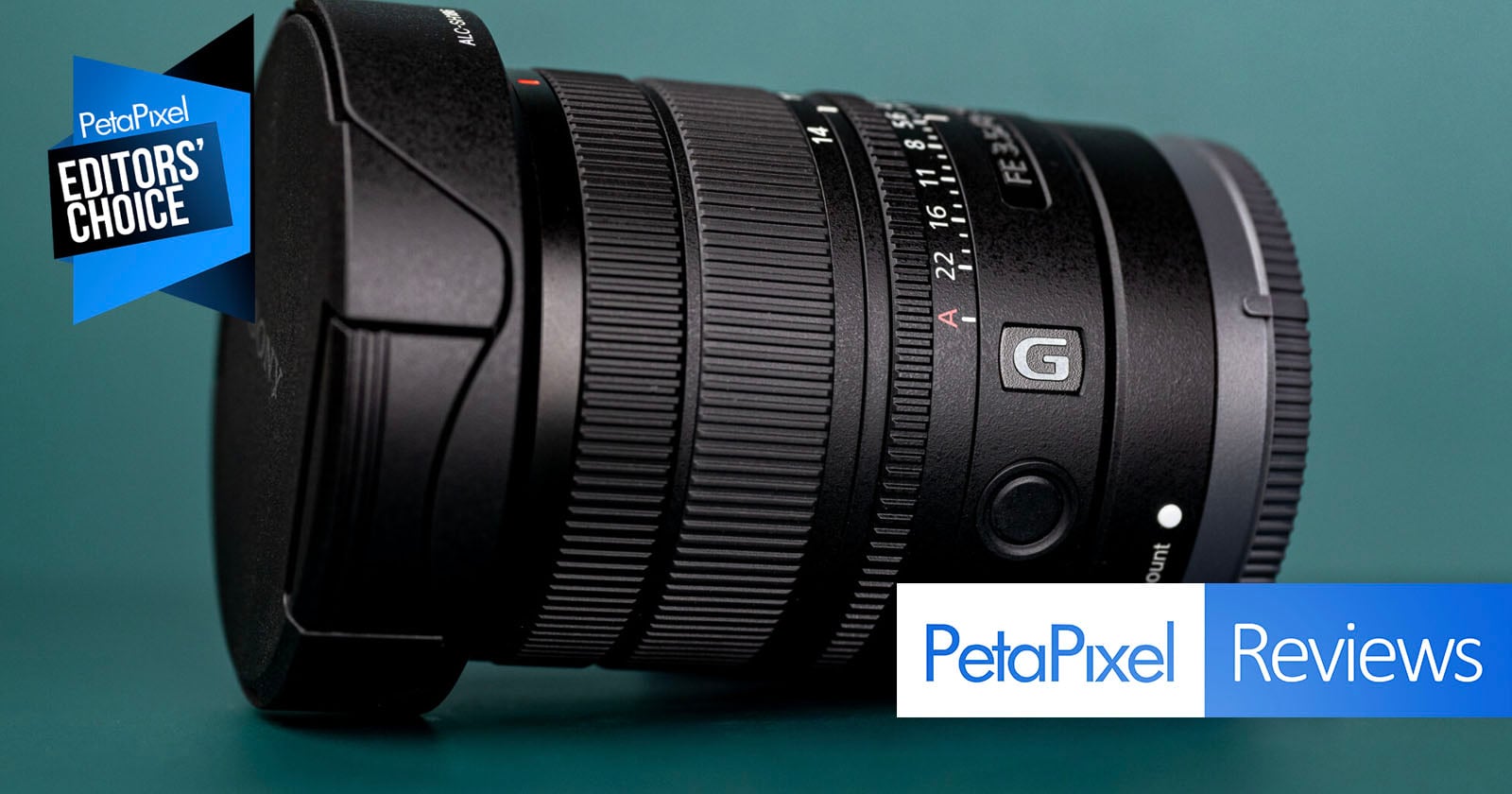
Twenty years is a long time to wait for a brand to take your creative tool seriously. For Sony E-Mount shooters who love the distorted, immersive pull of a fisheye, the drought has been particularly noticeable. Third-party glass has kept the dream alive, offering budget-friendly ways to bend reality, but there is a difference between a workaround and a native vision. The new $1,600 FE 8-14mm f/3.5 G is Sony finally answering that call, and it arrives with the kind of technological weight that makes the wait feel less like a compromise and more like a curated release. This is not just another lens; it is a statement that the company sees the artistic value in a focal length it has ignored for two decades.
For our readers who have been piecing together a kit with adapted glass or holding their breath for a native option, this zoom is a practical shift in what is possible. The last full-frame fisheye to wear the Sony badge was a 16mm for the A-Mount, a lifetime ago in camera tech years. That this new lens features many of Sony's latest technologies is the real story here. It is one thing to get a fun, quirky lens; it is another to get one that likely benefits from the same optical engineering and autofocus refinements found in their premium G-series lineup. We would tell a reader on the fence that this is not about being first to market, but about being right for the long haul. If you have been waiting for a reason to invest in that ultra-wide, distorted look without sacrificing modern performance, this is the most compelling argument Sony has made in a generation. It changes the calculus from "what can I afford" to "what do I want to create."
Our honest take is that this lens represents a quiet confidence from Sony, a willingness to serve a niche that many other manufacturers might overlook. A fisheye zoom is a specialized tool, yet its very existence suggests Sony is paying attention to the creators who push beyond standard focal lengths. The price point is not entry-level, but it is also not the astronomical sum we have seen for other high-end zooms. For the hybrid shooter who wants to walk a line between commercial work and personal artistic projects, this lens feels like a bridge. It is aspirational, yes, but also grounded in the reality that a tool like this can unlock a different visual language. We would not call it a game-changer, but we would call it a signal that Sony is listening to the artists who make their system vibrant.
The specific detail to watch is how the 8mm end performs wide open. If the optical quality holds up at that extreme angle, Sony has delivered a lens that could easily become the standard for architectural and event photographers who crave that playful, dynamic perspective. For our audience, the takeaway is simple: this is a lens you rent before you buy, not because it is risky, but because it will inspire you in ways a standard prime cannot. The concrete consequence is that your next project finally has the tool it deserves. The question is not if you will shoot with a fisheye, but when you will let this one reshape how you see the world.