Our Take
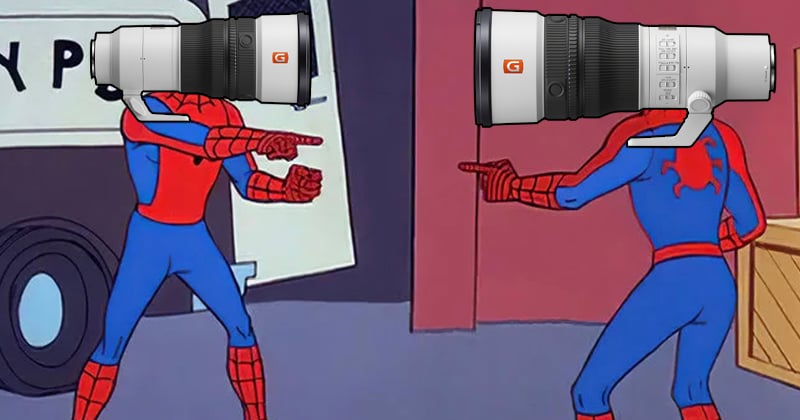
The recent revelation regarding Sony’s FE 400mm f/4.5 GM OSS and FE 600mm f/6.3 GM OSS lenses offers a fascinating glimpse into the evolution of optical engineering. While outwardly distinct, the underlying similarities in their design speak volumes about a masterclass in efficiency and innovation. This isn't merely about two new telephoto primes; it's about a sophisticated approach to lens manufacturing that challenges conventional expectations. In an era where photographic technology is constantly pushing boundaries, understanding the intricate processes behind these advancements becomes crucial for any discerning creative. For instance, comparing this modern ingenuity to the craftsmanship of yesteryear, as explored in "See How Nikon Made Its Lenses 60 Years Ago", highlights the dramatic leaps in manufacturing precision. Similarly, considering the specific demands of specialized photography, such as outlined in "Best Concert Photography Lenses for Shooting in Low Light", underscores why such highly optimized lenses are not just a luxury, but a necessity for capturing impactful, immersive visuals.
The optical ingenuity at play here suggests a strategic unification of design principles, allowing Sony to leverage core elements across different focal lengths. This kind of streamlined development not only potentially reduces production costs but also ensures a consistent level of optical performance and characteristic rendering across their G Master lineup. For photographers, this translates to a more predictable and harmonious experience when switching between lenses, fostering a seamless creative workflow. It’s a testament to how brands are continually refining their methodologies, seeking to offer both uncompromising quality and practical utility. This approach contrasts sharply with some of the challenges faced by other manufacturers, as detailed in "Canon’s Problem with the Flagship R3", where even established brands can encounter hurdles in delivering a consistently flawless product. The implication is clear: a truly aspirational brand doesn't just innovate; it optimizes at every level.
This efficiency isn't just about internal manufacturing benefits; it profoundly impacts the user experience. Imagine a wildlife photographer, needing both the reach of a 600mm and the slightly more compact nature of a 400mm. If the optical characteristics and handling are remarkably similar due to shared engineering, the transition between these tools becomes less about adapting to a new lens and more about simply choosing the right focal length for the moment. This curated experience empowers creatives to focus on their artistic vision rather than grappling with equipment nuances. It’s about providing tools that are not just technically advanced but also intuitively integrated into the creative process, allowing for vibrant, authentic storytelling through imagery.
Looking ahead, this trend of efficient optical engineering holds significant implications for the future of professional photography equipment. Will we see more manufacturers adopting a similar modular or unified design philosophy for their lens lineups? How will this impact the weight, size, and ultimately the accessibility of high-performance telephoto lenses for a broader range of photographers? The subtle yet profound similarities between Sony's new telephoto primes are a powerful indicator of a shift towards smarter, more integrated product development, promising a future where high-end optics are not only optically superior but also thoughtfully engineered for a truly immersive and effortless creative journey.