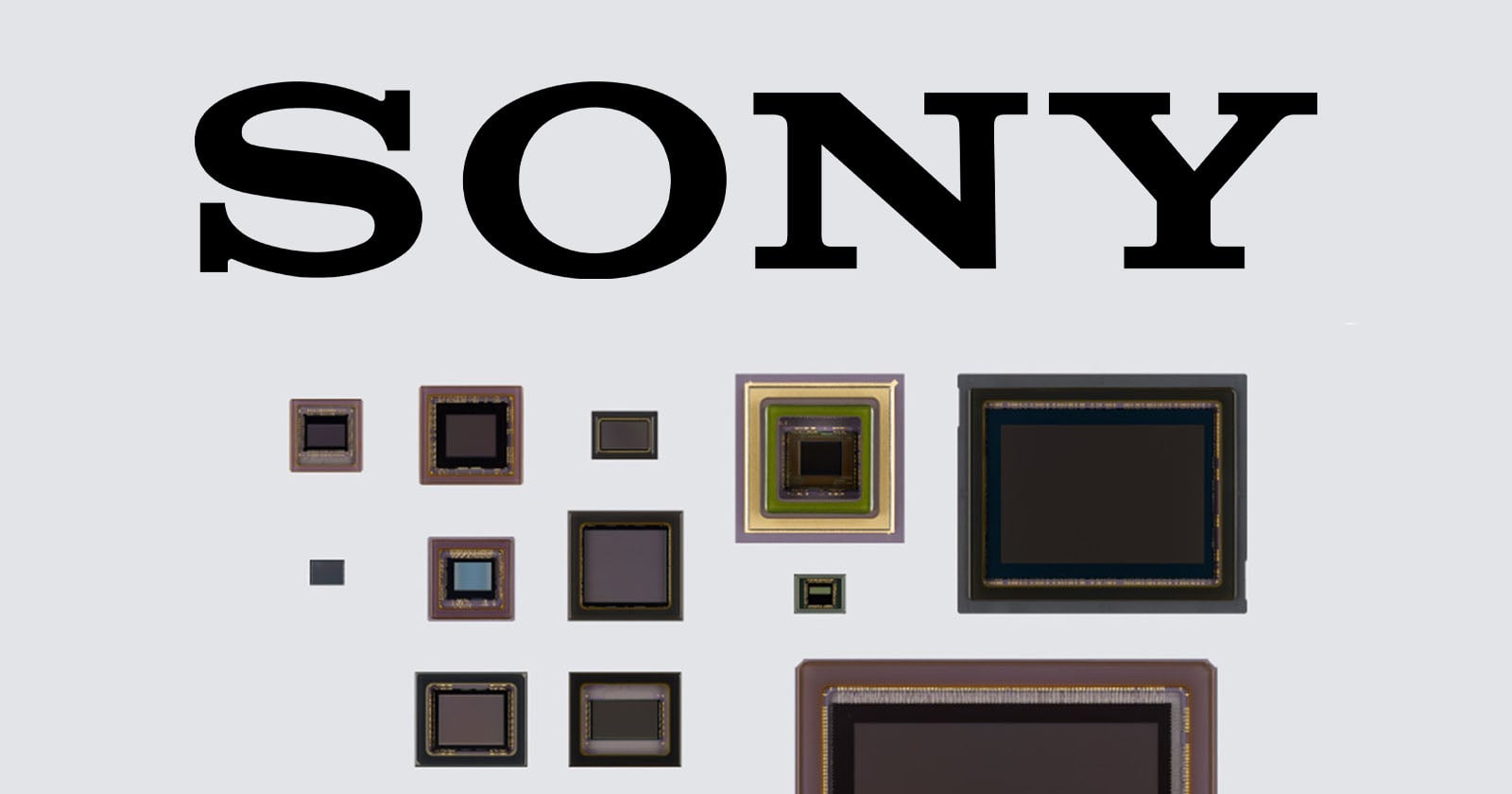
There is something quietly thrilling about a market map that tells a story of precision at scale. Sony's continued dominance in the global image sensor market, as detailed in the annual Nikkei Industry Map, is more than a corporate stat sheet. It is a reminder that the tools we use to capture light, motion, and memory are shaped by a handful of decisions made in engineering rooms far from the spotlight. For photographers and creators, this is not abstract business news. It is the reason your camera sees in the dark, tracks an eye, or renders a sunset without blowing out the clouds. And yet, as we scroll past the latest Immersive Cinema Arrives: Meta’s VR Glasses Earn IMAX Certification, we are reminded that the sensor is not just for stills anymore. It is the quiet engine behind every screen, every pair of smart glasses, every attempt to make the virtual feel tangible.
Our take? Sony's lead is not a surprise, but it is a responsibility. The company has spent years refining the art of the pixel, and that craft shows in the subtle warmth of skin tones and the crisp geometry of a city street at dusk. But dominance can breed complacency, and the real question is not whether Sony holds the crown, but how it wields it. For the working photographer, this means we should pay attention to where the innovation actually flows. Is it into high-end cinema cameras, or does the trickle-down reach the compact and the casual? The recent buzz around Capture the Moment: Yashica’s New Keychain Cameras Embrace Gen Z Style suggests that the market is hungry for playfulness, for small, imperfect, and immediate images that feel alive. That is a different kind of vision, one that values character over resolution. Sony's challenge is to keep its sensors versatile enough to serve both the purist and the partygoer, without losing its own sense of identity.
What we would tell a reader who asks, "So what does this mean for me?" is simple: your gear is only as good as the light it can read. The sensor is the canvas, and Sony has been painting with richer pigments for years. But the art of photography also lives in the choices you make, not just the hardware you carry. That is why we love the conversation around Unlock Vision: The Art of Manual Focus in Digital Photography because it reminds us that technology is a tool, not a master. Autofocus is brilliant, but it is a convenience, not a crutch. The most immersive experience comes when you understand your equipment well enough to let it fade into the background. So as Sony tightens its grip on the sensor market, we would encourage you to stay curious about the craft, and to ask whether the next great image is waiting for a better sensor, or simply for a better eye.
The detail to watch, then, is not the next flagship launch. It is how Sony balances its dominance with the messy, joyful, and increasingly mobile ways we actually take pictures. Will it double down on clinical perfection, or will it leave room for the happy accidents that make photography an art? That is the question we are holding onto, and it is one that no market share chart can answer.