Sports Photography Festival Removes Gaza Soccer Photo to ‘Not Offend Anyone’
Our take
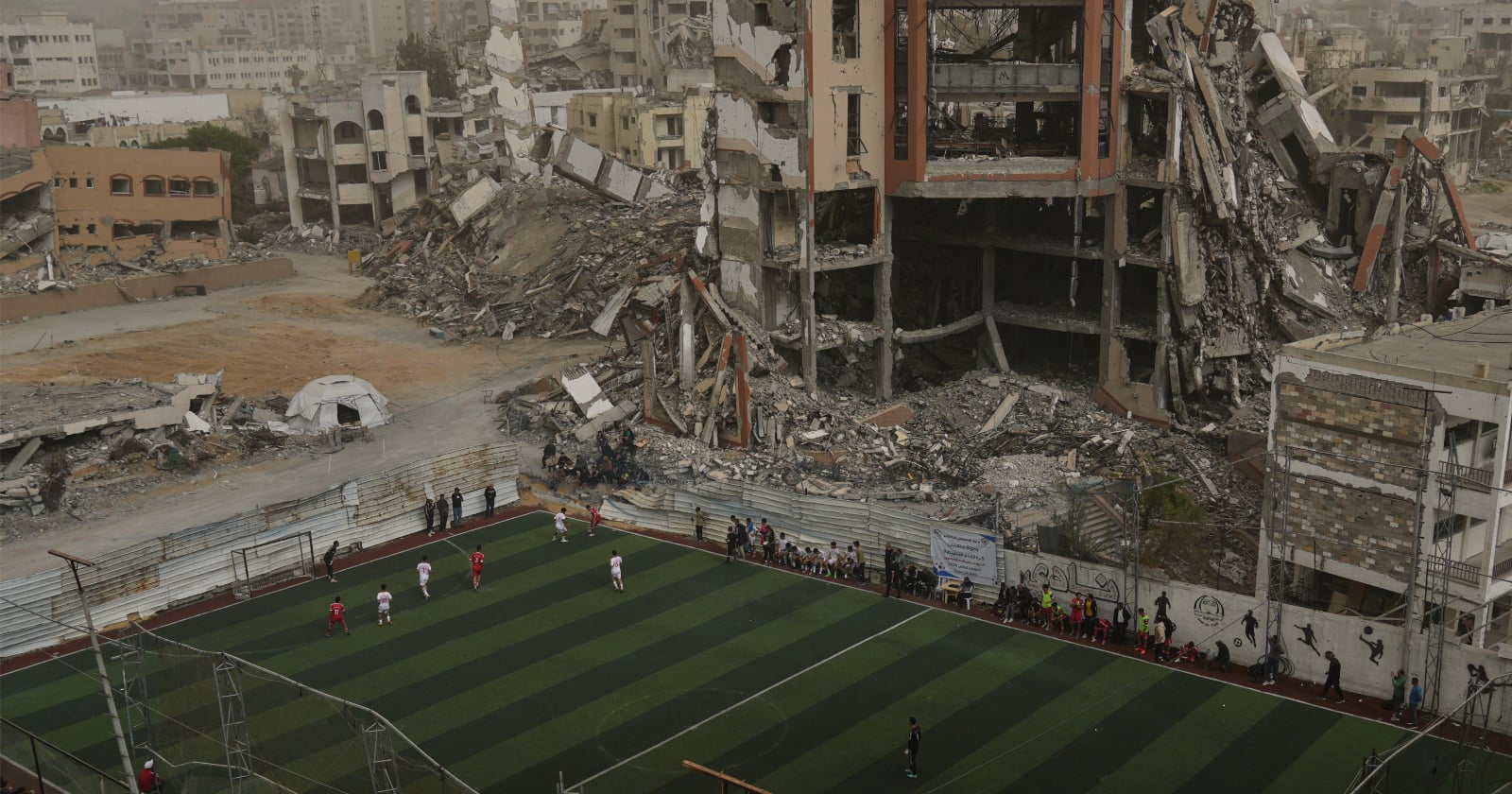
The recent decision by a sports photography festival to remove a photograph depicting a soccer game in Gaza, ostensibly to avoid offending anyone, is a deeply troubling development that resonates far beyond the immediate context of the festival itself. It speaks to a pervasive climate of self-censorship and a reluctance to engage with challenging realities, particularly those related to conflict zones. The image, capturing a moment of normalcy and youthful exuberance amidst the devastation of Gaza, offered a powerful counterpoint to the often-grim narratives dominating news coverage. Its removal, under pressure from external sources, sends a chilling message to photographers and artists working in politically sensitive areas – that their work may be deemed too provocative, too uncomfortable, or simply too real for certain audiences. This incident is not an isolated one; similar instances of censorship and pressure on artistic expression have been documented globally. Consider the ongoing debates surrounding representation in museums The Art Newspaper: Museum Diversity Debate or the controversies surrounding politically charged public art installations. This festival’s action, however, specifically targets the intersection of sport, art, and geopolitical conflict, a space that demands rigorous engagement, not avoidance.
The rationale provided – that the image might “offend” someone – is a dangerously vague and ultimately paralyzing one. Art, especially documentary photography, often aims to provoke thought, challenge perspectives, and expose uncomfortable truths. To prioritize avoiding offense above all else is to stifle artistic expression and to deny audiences the opportunity to confront difficult realities. The photograph itself, depicting children playing soccer surrounded by the wreckage of buildings, is a poignant symbol of resilience and the enduring human spirit in the face of adversity. Removing it doesn't erase the suffering in Gaza; it merely silences a visual testament to it. The festival’s decision also raises questions about the role of cultural institutions in addressing complex social and political issues. Should they be neutral platforms showcasing a diverse range of perspectives, or should they actively curate content to align with a specific ideological or political agenda? Many institutions grapple with this tension, but this case highlights the potential consequences of prioritizing safety and appeasement over artistic integrity and social responsibility. For a deeper look at the ethical considerations of photojournalism in conflict zones, explore this piece from Columbia Journalism Review Columbia Journalism Review: Covering Conflict.
The broader significance of this incident lies in its contribution to a broader trend of de-politicization of art and culture. In an era of increasing polarization and sensitivity, there’s a growing pressure to sanitize narratives and avoid anything that might be perceived as divisive. This can lead to a homogenization of artistic expression, where challenging or controversial viewpoints are marginalized or suppressed. It also risks creating an echo chamber, where audiences are only exposed to perspectives that reinforce their existing beliefs. The festival’s decision, while perhaps intended to be a gesture of goodwill, ultimately serves to reinforce this trend, contributing to a culture of silence and complicity in the face of injustice. The act of removing the photograph isn’t just about the photograph itself; it’s about the principle of allowing artists to document and share their experiences, even when those experiences are difficult or uncomfortable. It's a decision that impacts the credibility of the festival and sets a potentially harmful precedent for other cultural institutions.
Looking ahead, it's crucial to examine the mechanisms by which external pressures influence artistic decisions and to develop strategies for protecting artistic freedom. Festivals and institutions must establish clear guidelines for handling external requests for censorship and prioritize artistic integrity over the fear of offending. Furthermore, audiences need to be more discerning consumers of art and culture, actively seeking out diverse perspectives and engaging with challenging narratives. The question remains: how can we foster a cultural landscape that embraces complexity, celebrates artistic expression, and resists the urge to silence voices that challenge the status quo? Will we see a shift towards greater transparency and accountability within cultural institutions regarding their decision-making processes when faced with external pressures, or will this incident become another example of self-censorship normalizing in the face of perceived controversy? Reuters: Censorship Concerns
An image taken by a Palestinian photographer of a soccer game in Gaza was removed from a sports photography festival following requests from outside sources -- with organizers saying they did not want to “offend” anyone.
Read on the original site
Open the publisher's page for the full experience