Stop Using AA Lithium Batteries in Portable Strobes and Speedlights
Our take
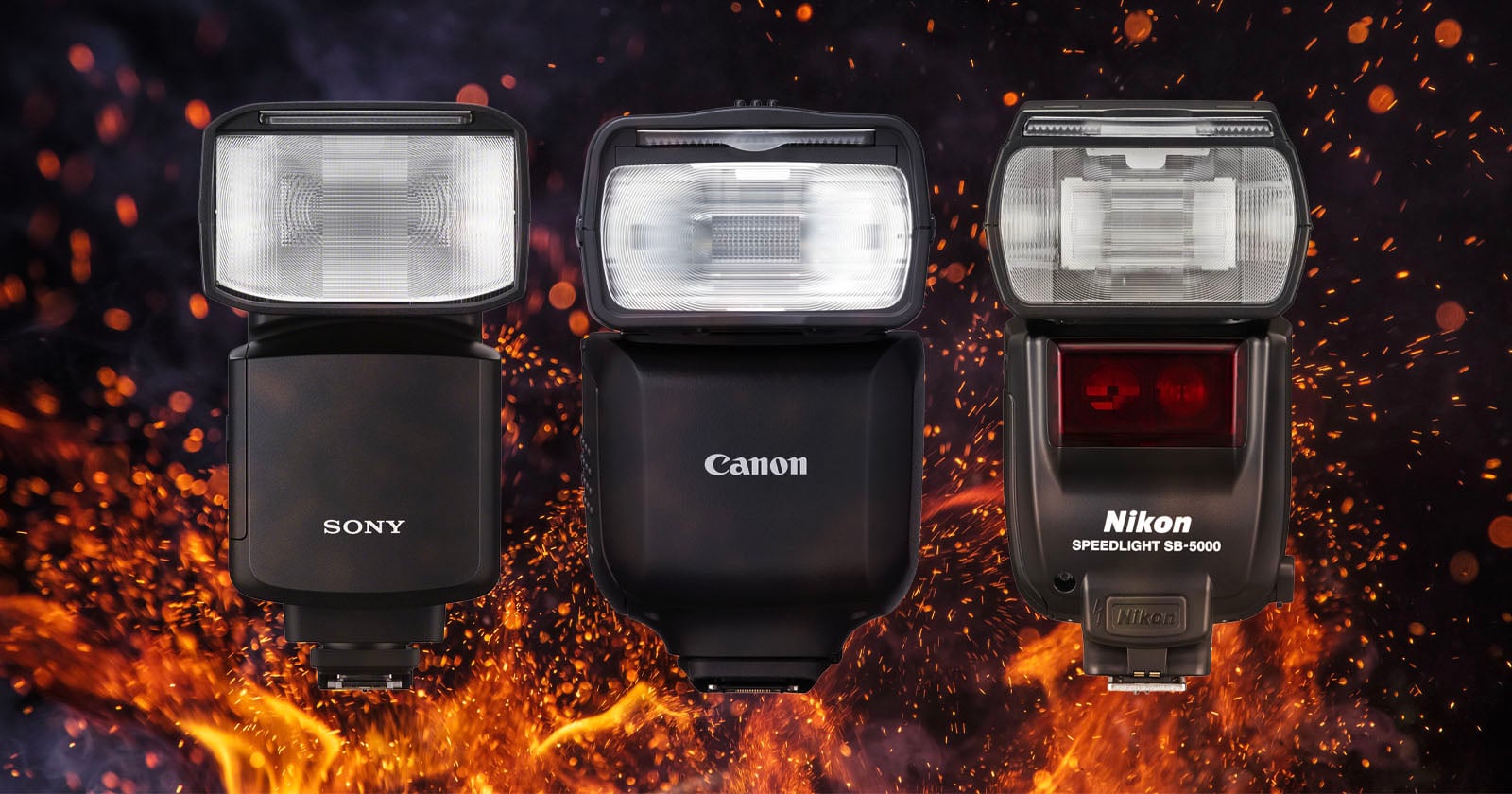
In a recent Service Notice, Canon alerted photographers to a critical safety concern regarding the use of lithium and lithium-ion batteries in their Speedlites, battery packs, and macro twin light products. This announcement, while seemingly surprising to many, brings to light an ongoing issue that has been echoed across the industry. The caution against using these batteries is not new; most manufacturers have long advised against it, yet the message often gets lost amid the hustle and excitement of modern photography. As enthusiasts gear up for summer shoots, understanding the implications of this guidance is essential for anyone invested in their craft.
The essence of this warning is rooted in safety and performance. Lithium batteries, while popular for their longevity and power, can cause excessive heat build-up and even lead to catastrophic failures in certain devices. The risk of overheating not only jeopardizes the equipment but also poses a threat to the user. As photographers, we immerse ourselves in creating art, often pushing the boundaries of what is possible with our tools. However, overlooking critical safety measures can transform an inspiring session into a regrettable incident. This is particularly relevant in the context of our ongoing conversations about responsible practices in photography, such as those highlighted in articles like India’s Tiger Reserves Are Banning Smartphone Photography, which remind us of the broader implications of our choices.
Moreover, this situation underscores a larger theme within the creative community—a call for authenticity and accountability in the tools we choose. As we navigate an era increasingly defined by technological advancements, the importance of understanding our equipment's specifications becomes paramount. The allure of quick solutions, such as opting for readily available lithium batteries, should never eclipse the need for informed choices. Photographers are artists, and like any artist, they must ensure their medium is not only effective but also safe. This perspective aligns with our discussions on topics like Thoughts about ai clean up tools, where the quality of the tools can significantly impact the final outcome.
As we reflect on Canon's announcement, it is essential to consider the broader implications for the photography community. The conversation should not end with a mere warning; instead, it should ignite a deeper inquiry into our practices and the choices we make in pursuit of our art. Are we prioritizing convenience over safety? Are we fully aware of the specifications of our equipment? In a world where the aesthetic often triumphs over the practical, we must strive to strike a balance between the two.
Looking ahead, how will this cautionary tale influence the way we engage with technology in photography? Will it spark a renewed commitment to exploring the intricacies of our tools, or will it fade into the background noise of an ever-evolving industry? As we continue to push the envelope of creativity, it is our responsibility to ensure that our journey is not only inspiring but also anchored in safety and authenticity. The path forward is vibrant and filled with potential, and it begins with informed choices that reflect both our artistic sensibilities and our respect for the craft.
This week, Canon published a Service Notice to its websites urging photographers not to use lithium or lithium-ion batteries in its Speedlites, battery packs, and macro twin light products, surprising many that this was suddenly an issue. The thing is, it's not sudden at all, and almost every manufacturer cautions against it.
Read on the original site
Open the publisher's page for the full experience