Sunsets Are Bad for Your Landscape Photography
Our take
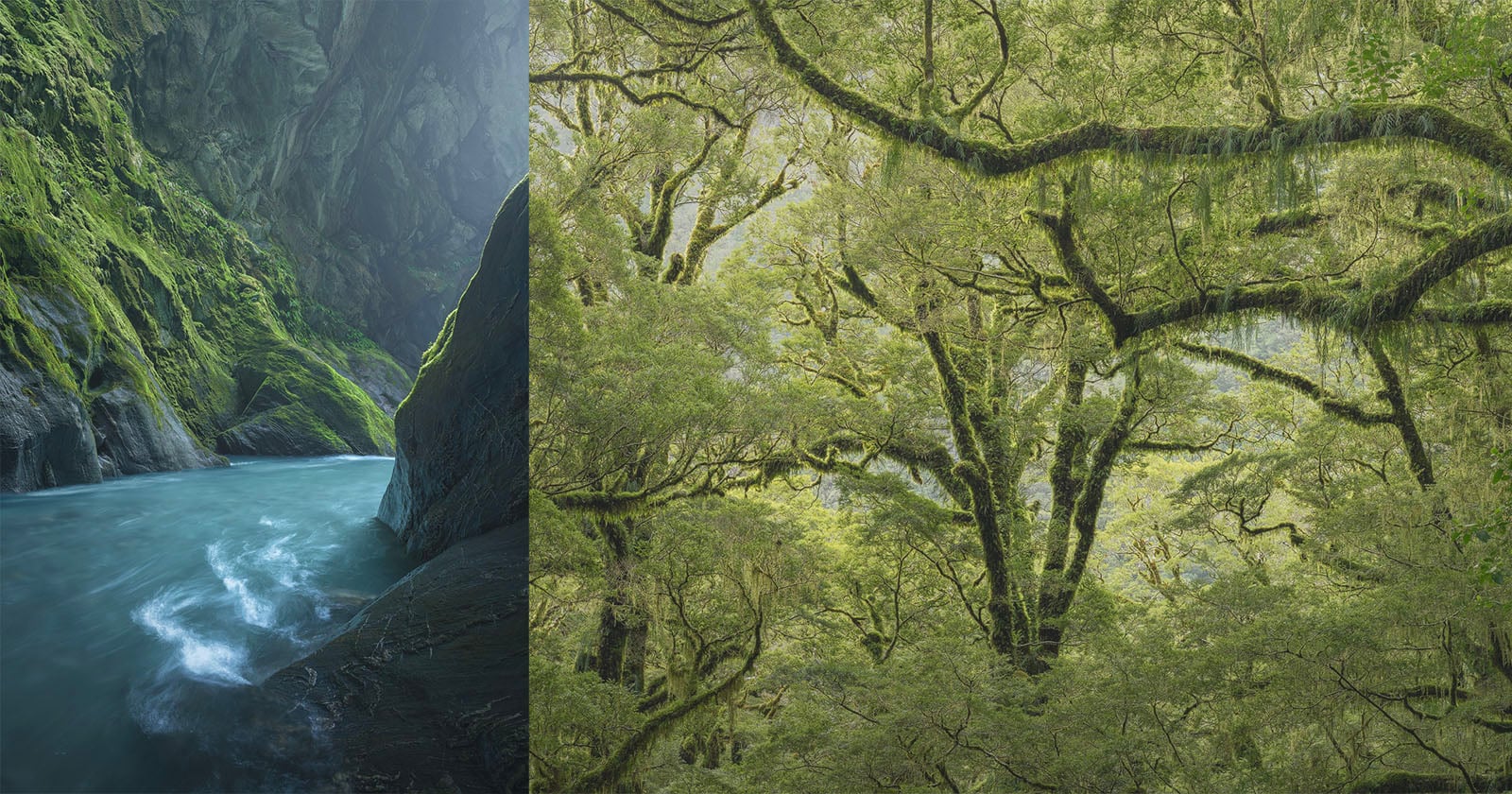
In the realm of landscape photography, the allure of sunsets has long been a siren's call, drawing in photographers of all stripes with their promise of breathtaking skies and golden hues. However, as I reflect on my journey in capturing the beauty of our natural world, I find myself increasingly at odds with the notion that sunsets are inherently beneficial to the discipline. While it is undeniable that the vibrant skies drawn from nature's palette have been a significant draw for many, it is equally important to consider how they may potentially limit our growth and development as photographers.
One must look beyond the surface beauty of sunsets to understand why they might be holding back the progress of landscape photography. The temptation to capture the perfect sunset image can be a powerful one, leading photographers to focus on the technical aspects of achieving that perfect composition rather than exploring the diverse and dynamic possibilities that landscape photography offers. By fixating on sunsets, we risk overlooking the myriad of other subjects and times that can provide a richer, more nuanced understanding of our world.
This is not to say that sunsets should be disregarded altogether. Far from it. There is undeniable beauty in them, and they certainly have their place in any photographer's portfolio. However, it is crucial to maintain a balance between our pursuit of these picturesque moments and our exploration of the broader landscape of photography. It's about finding that sweet spot where we are inspired by the beauty of sunsets but are also encouraged to push ourselves to capture the full spectrum of our environment.
A compelling way to approach this balance is through a diversification of our subjects and times of day. By doing so, we can challenge ourselves to adapt to different lighting conditions, weather patterns, and seasonal changes, thereby honing our skills and deepening our appreciation for the complexities of natural landscapes. This approach not only enriches our work but also keeps our passion for photography alive and thriving.
In the face of this challenge, how can we as photographers ensure that we are not being held back by preconceived notions about what our photography should look like? It's a question that deserves serious consideration and perhaps even some self-reflection. By embracing the diversity of our natural world and being willing to step away from the predictable, we can continue to grow and evolve as photographers. This journey is not without its challenges, but it is undoubtedly worth pursuing for those who are passionate about capturing the beauty of our world in all its forms.
As we move forward, I encourage you to explore beyond the horizon of sunsets and consider the vast canvas that landscape photography offers. Let us celebrate the beauty of our world and the unique perspectives that each of us can bring to it. In doing so, we ensure that the art of landscape photography continues to flourish and captivate the hearts and minds of future generations.
In a world where technology continues to advance at a rapid pace, the question remains: How will the next generation of photographers adapt to the changing landscape of our environment and the evolving standards of their craft? One thing is certain — by embracing diversity and pushing the boundaries of our creativity, we can ensure that the legacy of landscape photography remains as vibrant and enduring as the landscapes themselves.
Now, my not-so-piping-hot take is more nuanced, but I still stand by that statement in the title. Because while stunning skies are what drew me to landscape photography, they’ve also held back my development and growth.
Read on the original site
Open the publisher's page for the full experience