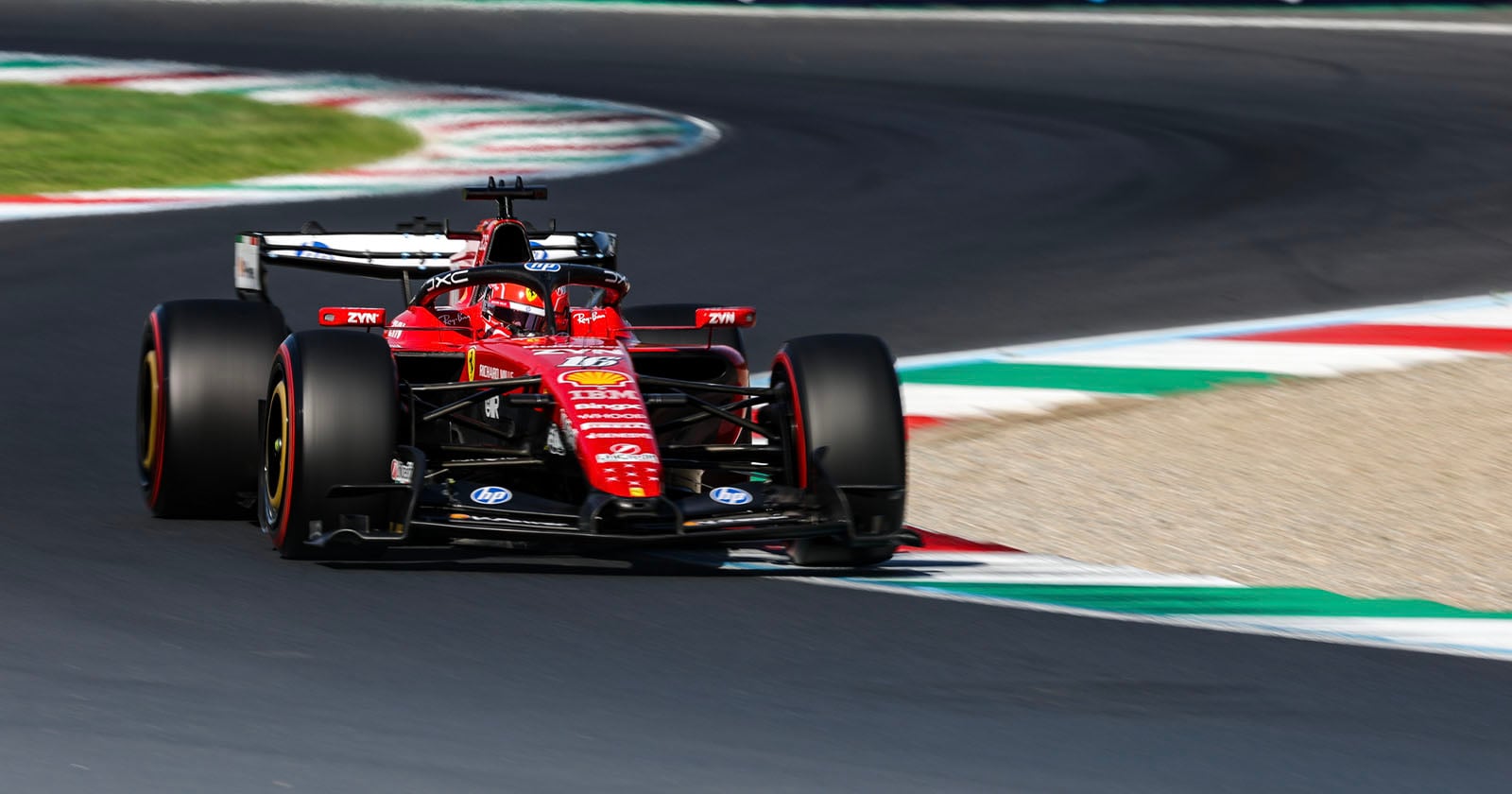
The image of a photographer being put in a chokehold by a police officer at the Spanish Grand Prix is the kind of scene that should stop us cold. It is not a blurry, ambiguous moment from a protest or a chaotic war zone. It is a Formula One paddock, a space designed for access, precision, and controlled chaos. When the line between protection and aggression blurs so completely, we have to ask what message we are sending to every visual storyteller who puts their body between us and the action. This incident is not just a headline about one officer's conduct; it is a stark reminder of how fragile the photographer's role has become in an era of heightened security and public scrutiny.
For our readers, many of whom navigate the delicate dance between capturing a moment and respecting boundaries, this story resonates on a deeply practical level. We recently explored how White House Access Restricted: News Crew Faces Unexpected Security Measures and how the dynamic between press and protection is shifting. Here, the equation is simpler and more alarming: a professional is doing their job, documenting a public event, and ends up in a physical confrontation. The lesson is not to retreat into fear, but to understand the terrain. Knowing your rights, reading the room, and having a clear exit strategy are not just professional tips; they are survival skills. We would tell any photographer that the most powerful tool in your bag is not the fastest lens, but the situational awareness to know when a situation is escalating beyond the frame.
This moment also forces us to examine the broader culture of access and control in high-stakes environments. It is easy to see the officer's perspective: a crowded track, adrenaline running high, and a perceived breach of protocol. But the chokehold is not a proportional response to a photographer stepping a foot too far. It is a visceral, violent overreaction that suggests a systemic issue with how authority treats the press. Consider how AI Alters Art: Photography Competition Sparks Debate and Rule Changes shows us that the integrity of the image itself is being questioned. Now, we see that the very act of taking the image is under physical threat. The connection is uncomfortable but clear: when we devalue the photographer's presence, we devalue the truth they capture. It is a slippery slope from demanding access to demanding submission.
What we would tell a reader who asks us about this is simple: do not let this become a footnote. Watch how the sport, the police, and the photographer's publication respond. The most telling detail to watch for is whether the officer is named and whether the photographer's credentials are revoked, as that will reveal whether this was an isolated mistake or a sanctioned power play. In an industry that thrives on curated beauty and aspirational energy, this is a jarring reminder that the lens is also a shield. The concrete takeaway here is that every photographer, from the paddock to the portrait studio, should treat their personal safety as a non-negotiable part of the creative process. If we cannot protect the artists, we cannot protect the art. The next time you see a stunning shot from a Grand Prix, remember the hands that held the camera, and the line they walk to bring you that view.