The 31 Out-of-this-World Winners of Astronomy Photographer of the Year
Our take
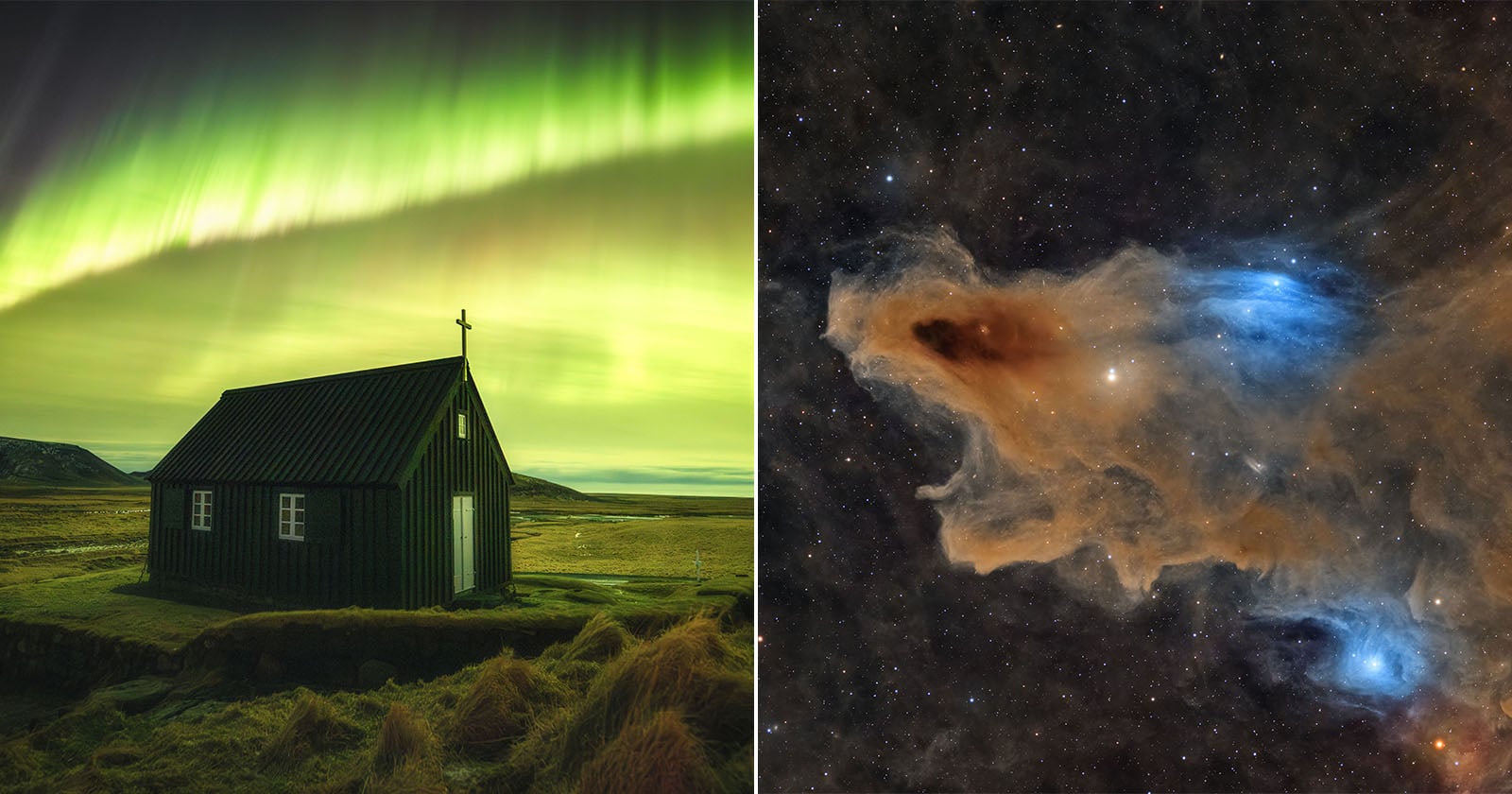
The cosmos continues to yield breathtaking beauty, and the recent announcement of the Royal Observatory Greenwich’s Astronomy Photographer of the Year competition winners serves as a potent reminder of that fact. This year’s top prize, a well-deserved £10,000, went to Ali Alobaidly for his stunning image of the Shark Nebula, a photograph so detailed and ethereal it feels almost otherworldly. The dedication and technical skill required to capture such a vision are immense, and the award rightly recognizes Alobaidly’s artistry. It's fascinating to consider the technological advancements that have made such deep-space photography increasingly accessible, though still incredibly challenging. Developments in camera technology, like those showcased in [Panasonic Lumix S9 Firmware Empowers the Lens Fn Button], are continually pushing the boundaries of what's possible, allowing photographers to capture increasingly intricate details. Furthermore, the ability to wirelessly tether cameras, as demonstrated by [Capture One Brings Wireless Tethering to Two More Canon Cameras], streamlines the workflow and opens new avenues for creative control during long-exposure astrophotography sessions.
The enduring appeal of astrophotography lies not just in the technical achievement, but in the profound sense of wonder it evokes. These images transport us beyond our terrestrial concerns, offering a glimpse into the vastness and complexity of the universe. Alobaidly’s Shark Nebula, with its swirling clouds of gas and dust resembling a predatory form, is a prime example of this. It's a testament to the power of visual storytelling, capable of communicating the awe-inspiring scale of cosmic phenomena in a way that words often fail to do. Beyond the technical brilliance, there's an artistic sensibility at play – a careful composition and skillful use of light and color to create an image that is both scientifically informative and aesthetically compelling. The increasing sophistication of image editing software, even incorporating AI elements as seen in [This AI-Powered App Tells People How to Pose], while sometimes controversial, can also be used to enhance and refine these images, revealing details previously hidden within the raw data.
The competition itself represents more than just an awards ceremony; it’s a vibrant community and a showcase for the evolving landscape of astrophotography. The range of images selected this year—from sweeping vistas of the Milky Way to intimate portraits of nebulae—highlights the diversity of approaches and perspectives within the field. It’s a testament to the growing accessibility of astronomical imaging, with more and more individuals equipped with the tools and knowledge to explore the night sky. This democratization of space exploration, in a visual sense, is a significant development. The dedication required to overcome light pollution, atmospheric turbulence, and the sheer technical complexities involved is considerable, and the winners’ achievements serve as an inspiration to aspiring astrophotographers worldwide.
Looking ahead, the convergence of increasingly powerful imaging technology, sophisticated data processing techniques, and a growing community of passionate astrophotographers promises even more breathtaking discoveries and artistic expressions. Will we see the development of entirely new techniques for capturing the universe, moving beyond traditional photography to incorporate entirely novel forms of visual representation? And as our understanding of the cosmos deepens, how will that influence the artistic interpretations we create of it? The future of astrophotography is undoubtedly bright, and we eagerly anticipate the next generation of "out-of-this-world" images that will continue to expand our perception of the universe.
Photographer Ali Alobaidly won this year's Royal Observatory Greenwich ZWO Astronomy Photographer of the Year 18 competition. Alobaidly's incredibly detailed, ethereal photo of the predator-like Shark Nebula earned the photographer a £10,000 prize, equivalent to nearly $13,400.
Read on the original site
Open the publisher's page for the full experience