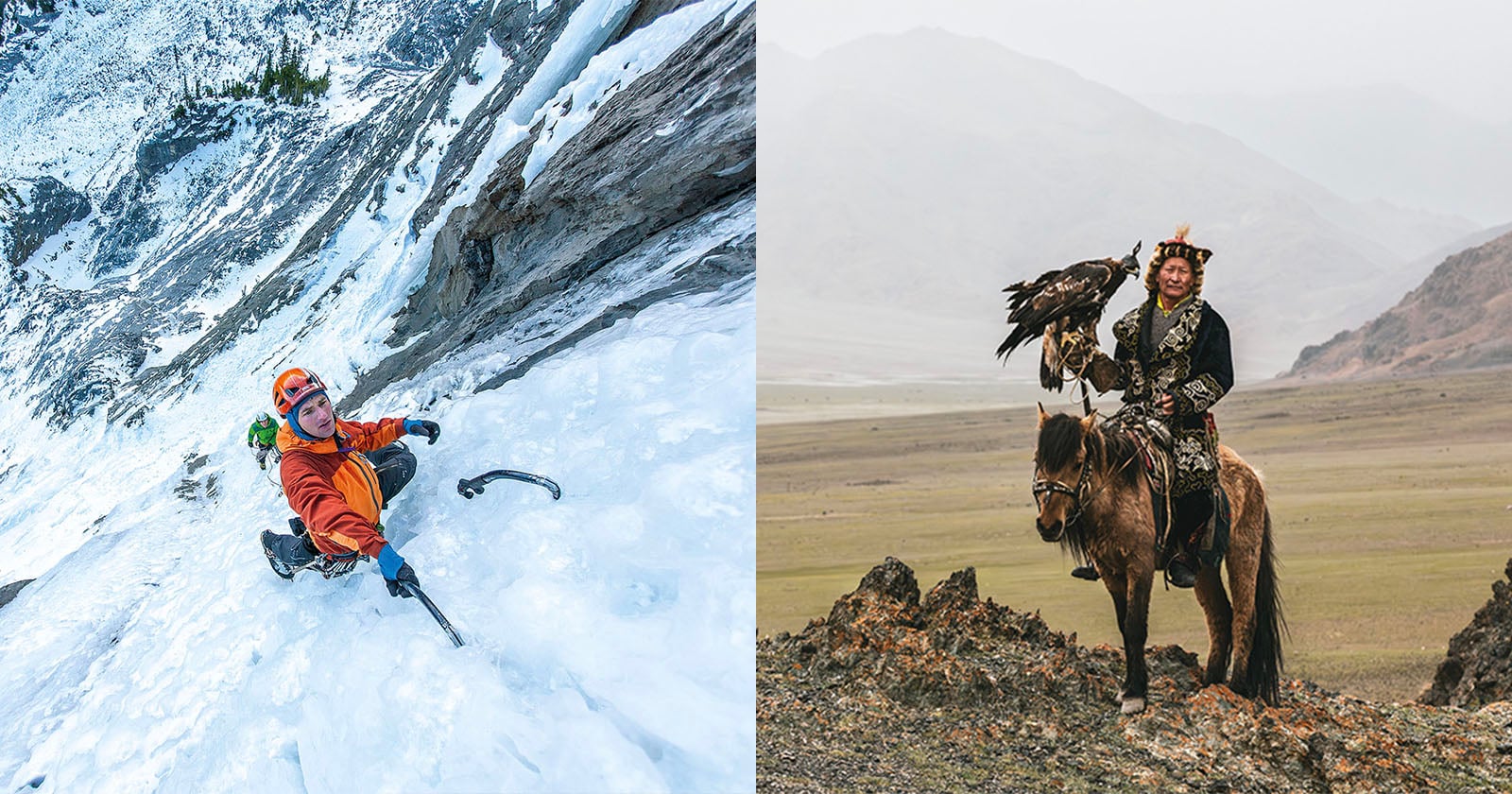
There is something quietly profound about a photographer who treats danger not as a stunt but as a compositional tool. The photographer at the heart of this story has built a career on exactly that instinct, moving from remote landscapes into some of the world's most volatile places, all in pursuit of an image that refuses to be ordinary. We believe this approach matters because it redefines what we expect from visual storytelling: the frame becomes a record not just of a place, but of a choice to be there. For our readers, who value authenticity and an artistic edge in their own lives, the lesson is practical rather than romantic. You do not have to travel to a war zone to apply this thinking. The principle is about intentionality: choosing the harder angle, the less convenient moment, the composition that costs something to capture.
This photographer's path echoes a theme we have seen before in our coverage of creative discipline. In From Spreadsheets to Studio Sets, a Photographer's Unexpected Creative Canvas, we explored how a different artist found his voice by moving from corporate logic to open-ended experimentation. The contrast is instructive. That photographer discovered creativity by leaving structure behind; this one finds it by entering chaos. Both reject the generic, and both prove that the best work comes from a willingness to be uncomfortable. Meanwhile, the question of authenticity that emerged in A Town Steeped in History Faces a Modern Question of Authenticity is relevant here too. When a photographer stages a shot in a dangerous place, is the result more authentic than one captured in a studio? We think the answer depends on intention, not location. This photographer's work feels authentic because the risk is real, not performed.
What makes his pursuit worth watching is not the adrenaline but the precision. Danger, in his hands, is not a marketing hook. It is a constraint, and constraints are what force creativity into its most interesting shapes. A landscape shot from a helicopter above an erupting volcano requires split-second decisions about light, aperture, and safety that a controlled studio session simply cannot demand. That pressure produces images that feel alive, because they were made under conditions that were, in fact, alive. For anyone curating their own creative practice, the takeaway is direct: the next time you find yourself avoiding the hard version of an idea, ask whether the easy path is robbing you of the image you actually want.
The open question, and the one we will be watching closely, is how this photographer sustains the practice. Pushing toward danger once is a story. Returning to it again and again, without the work becoming a repetition of its own thrill, is the real artistic challenge. If he can keep finding new kinds of risk, new kinds of light, new reasons to be in a place that others flee, he will continue to produce images that feel earned rather than manufactured. That is the detail worth tracking: not the next location, but whether the instinct stays fresh.