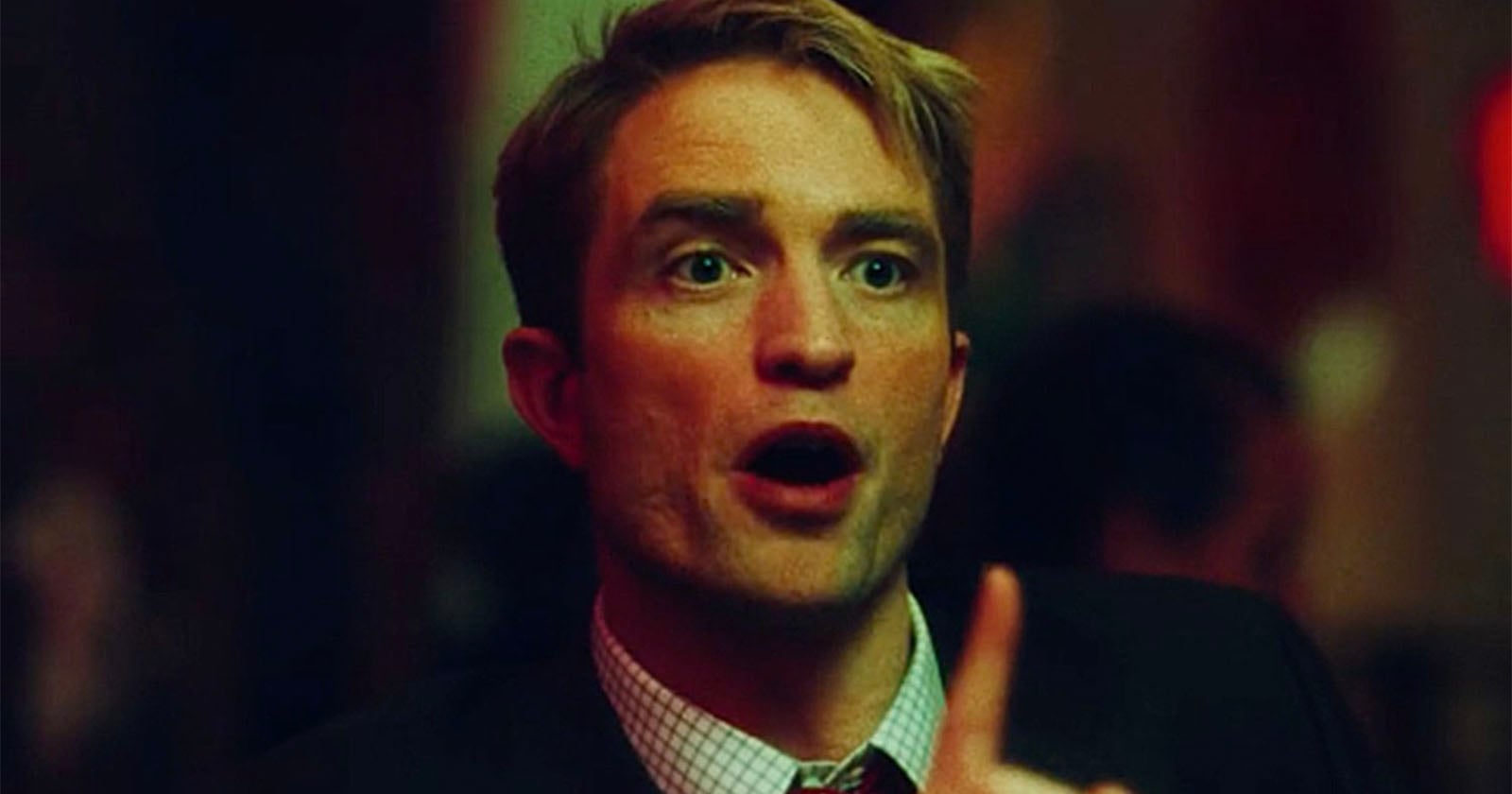
Cinematography is rarely the first thing we talk about when a film revolves around a predator and the man who caught him on national television. Yet *Primetime* makes the case that the visual language of a story is just as essential as the plot itself. Our take is clear: this film succeeds because it refuses to treat its subject matter with the same flat, utilitarian eye that the original *To Catch a Predator* episodes employed. Instead, it layers in an analog soul, a grainy texture, and a deliberate pacing that forces us to sit with the discomfort rather than simply consume it.
For the creative collaborators and health-conscious enthusiasts in our audience, this matters. We are a community that values the curated, the immersive, and the authentic. A film that leans into film grain and natural light is not just a stylistic choice; it is a philosophical one. It signals a respect for the craft that mirrors how we approach our own disciplines, whether that is Freewell and Dunna Did It Craft an Ultra-Slim Modular Filter for Creatives, a tool designed to give filmmakers more control over their image, or Capturing the Art and Energy Behind a Festival Sizzle Reel, where movement and light become the story themselves. *Primetime* understands that grit is not a flaw; it is a texture that makes the frame feel lived in.
Robert Pattinson and Merritt Wever bring the intensity, but the camera does the heavy lifting of tone. The cinematography does not flinch from the harsh realities of the sting operation, yet it finds moments of quiet beauty in the domestic spaces where these encounters unfold. This is not a documentary; it is a meditation on performance, surveillance, and the ethics of looking. The film asks us to consider what it means to watch, and what it costs to be watched. In doing so, it elevates a tabloid premise into something closer to art house territory.
The practical takeaway for our readers is this: pay attention to how a story is framed, not just what it says. *Primetime* proves that the most gripping narratives are often the ones that trust their visuals to carry emotional weight. For those of us who create, whether we are editing a reel or building a capsule wardrobe, the lesson is to treat every element as a deliberate choice. The next time you watch a scene and feel unsettled before the dialogue even begins, ask yourself why. That discomfort is not accidental. It is the result of a filmmaker who understands that the soul of a story lives in the grain.