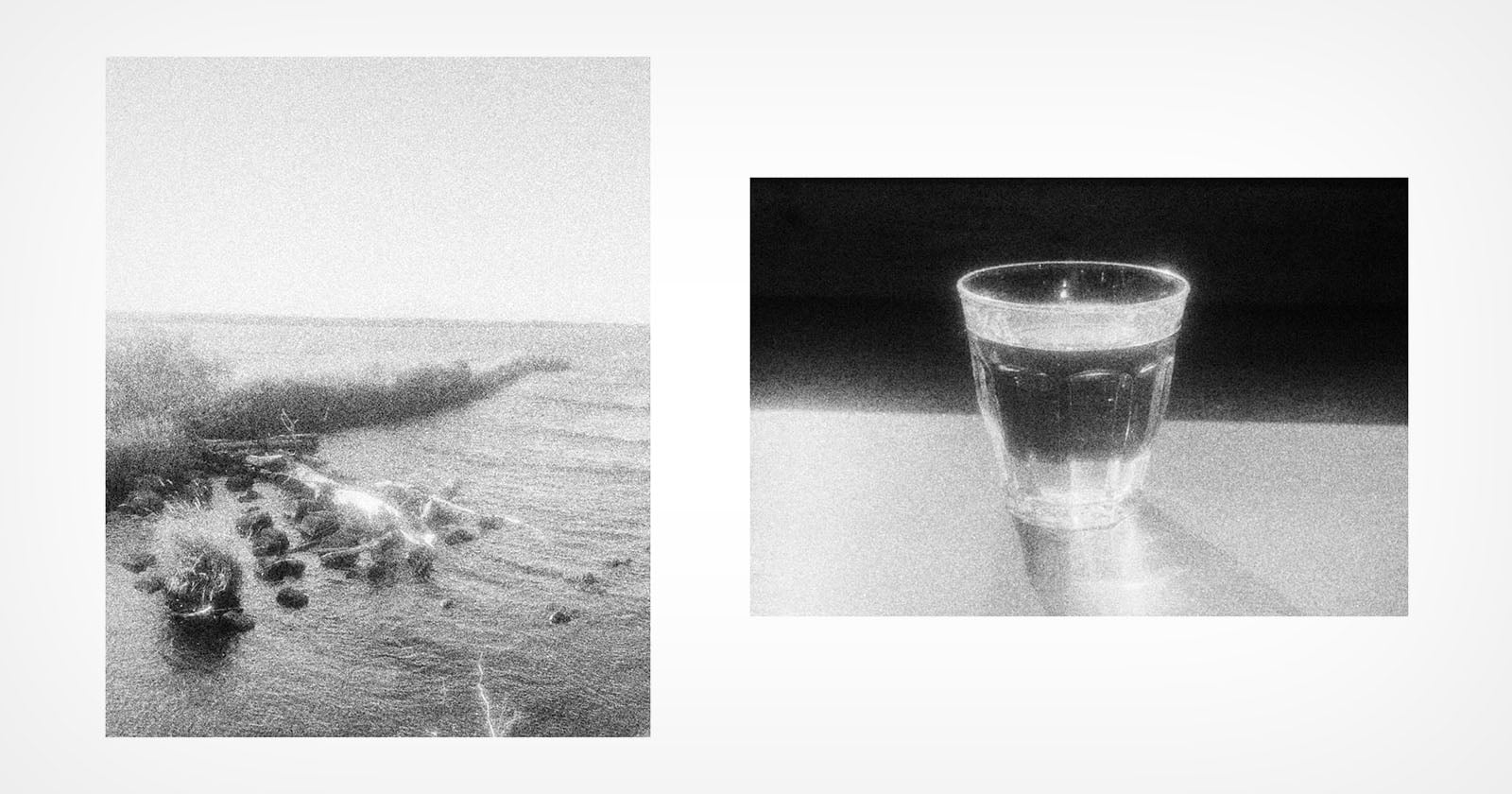
There is something quietly radical about an app that deliberately courts imperfection. Japanese photographer Keitaro Kobayashi is building MARS, a black-and-white iPhone camera app designed not to produce crisp, clinical digital monochrome but to mimic the bloom and flare of actual film. In an era where every smartphone update promises sharper sensors and more computational wizardry, Kobayashi is choosing the opposite direction: soft halation, uneven grain, the kind of luminous glow that feels less like a filter and more like memory. That choice is not nostalgic posturing, it is a pointed argument about what we actually want from an image. We have seen this impulse toward intentional, artful curation before, as in A Curated Portrait of Girlhood: 400 Stories, One Object at a Time, where a photographer spent six years inviting each subject to bring a single meaningful object. Both projects understand that limitation, not abundance, is what makes an image resonate.
Our take is simple: MARS matters because it treats the act of taking a photograph as a creative collaboration rather than a technical correction. Kobayashi is not selling you better noise reduction or higher dynamic range. He is selling a specific visual feeling, one that acknowledges that film's beauty came from its flaws. That blooming effect, where highlights spill into shadows, is exactly what digital cameras are engineered to eliminate. By building an app that reintroduces it, MARS asks a practical question: what are we losing when we optimize every variable? The answer, for our audience of creative collaborators and health-conscious enthusiasts, is texture. The same way a hand-thrown ceramic bowl feels more alive than a machine-pressed one, or a well-worn leather jacket carries more character than a brand-new synthetic shell, a photograph with visible imperfection invites you to stay with it longer. This is not about abandoning technology but about using it with intention. Consider how The NOCS Portal AFN7 Writes a New Rulebook for Weatherproof Cameras reimagines what a rugged camera can be, not by adding more features, but by rethinking form and function from the ground up. Both projects share a designer's instinct to strip away the unnecessary and amplify what matters.
What this means in practice is that MARS will reward a specific kind of photographer: someone who shoots for mood rather than maximum information. The app's focus on film bloom suggests Kobayashi is designing for scenes where light itself is the subject, morning fog, backlit portraits, street photography at dusk. For our readers who already appreciate the interplay of fitness and aesthetics, or fashion and function, this is a natural extension of the same philosophy. You do not need the most expensive gear to make something beautiful; you need the right constraints. MARS imposes those constraints by limiting you to black-and-white and to a specific filmic texture, forcing you to compose with light, shadow, and geometry rather than relying on color to do the work. It is a discipline, not a shortcut.
The open question is whether an app can truly replicate the tactile unpredictability of analog film, or whether it will feel like a simulation, beautiful but hollow. Kobayashi's background as a photographer suggests he understands the difference, but the proof will be in the images the app produces. We will be watching for whether MARS allows enough variation to keep each shot surprising, or whether its bloom becomes predictable. That tension between craft and algorithm is exactly what makes this project worth following. The concrete takeaway: if you have been shooting on your phone and feeling that something is missing, MARS may be the tool that gives you back the imperfection you did not know you needed.