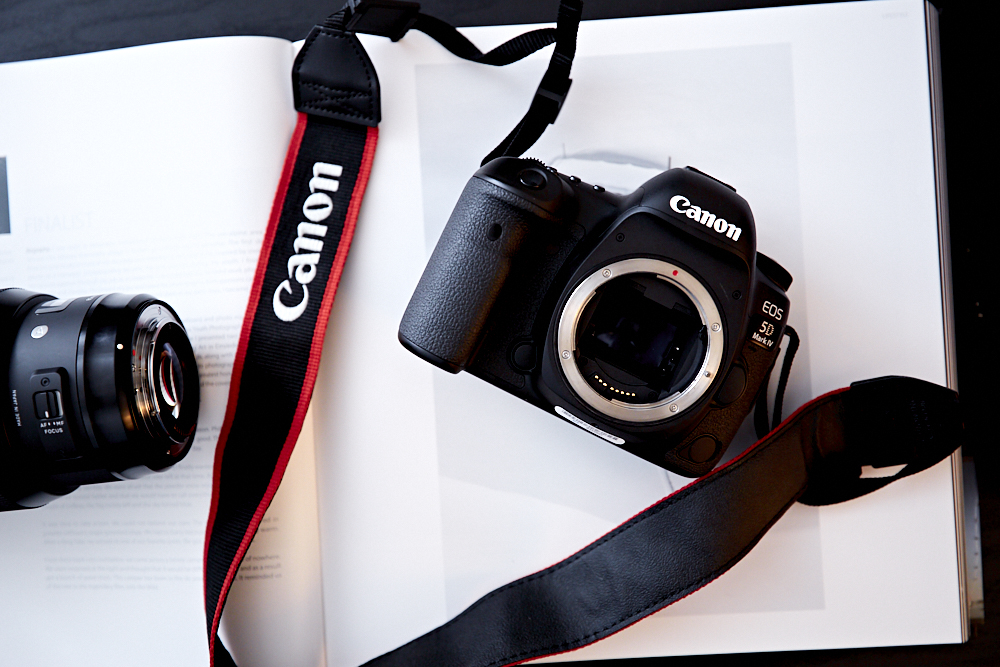
The DSLR is dead. Not dying, not on its last legs, gone. Major manufacturers have stopped producing new bodies, and while the used market will hum along for years, the format's creative and commercial center of gravity has shifted decisively to mirrorless. For anyone who has ever hauled a Canon 5D through airport security or felt that satisfying *thwack* of a mirror flipping, this feels like the end of an era. For everyone else, it is simply the next logical step in how we choose to see the world.
Yet letting go is harder than it sounds, especially when you consider the trade-offs. DSLRs still offer the best optical viewfinders on the planet, bright, lag-free, and immersive in a way that even the finest electronic viewfinder cannot replicate. They also come with a massive, affordable ecosystem of used lenses, and their battery life remains unmatched. But the industry has voted with its R&D budget. Mirrorless cameras are smaller, quieter, and, crucially, they show you exactly what the sensor sees before you press the shutter. That real-time exposure preview is not a gimmick; it is the difference between guessing and knowing. For the creative collaborators and health-conscious enthusiasts we speak to every day, people who value both form and function, this shift matters. A lighter kit means you carry a camera on that sunrise hike instead of leaving it in the car. A silent shutter means you capture the candid moment in a yoga studio without disrupting the flow. This is not about specs; it is about presence.
The parallels to other gear decisions are instructive. Consider the way Billingham's New Rucksack Is Their Best Yet, With One Small Compromise balances heritage craftsmanship against modern weight savings. Or how The Atlas blurs the line between telescope and camera with curated precision, merging two formerly separate tools into one elegant object. The DSLR's decline follows the same pattern: the old tool was brilliant, but the new one fits more naturally into a life that already demands we carry less and see more. The optical viewfinder was a beautiful thing, but it was also a lie, it showed you the world, not the photograph. Mirrorless shows you the photograph. That honesty aligns with the authenticity our audience craves.
There is one concrete takeaway here, and it is this: if you are buying your first camera in 2026, do not buy a DSLR. Not because it takes worse pictures, it does not, but because the system around it is now a closed loop. No new lenses, no new bodies, no new firmware. You will be building a kit on a platform that the entire industry has abandoned. Instead, pick up a used DSLR for a song if you want to learn on a budget, or go straight to mirrorless if you want to grow with the technology. The real question is not which format wins, that is settled. The question is whether you are willing to trade the *feeling* of an optical viewfinder for the *accuracy* of an electronic one. That trade-off is the only thing left to decide.