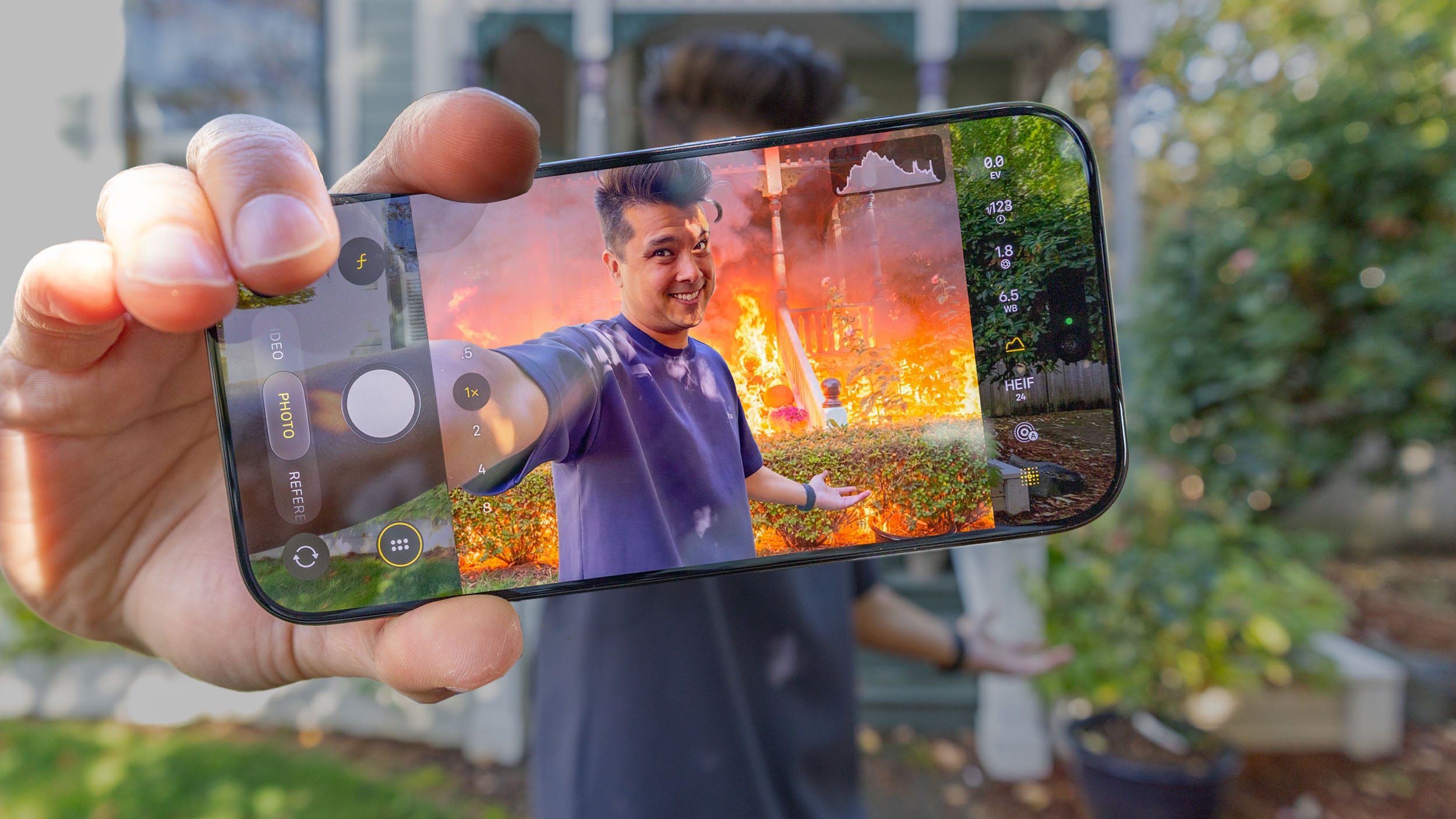
The photograph used to be our quiet witness. Now, with a few keystrobes, anyone can conjure a photorealistic moment that never occurred, and the question of what a camera actually saw has become urgent. Our position is simple: authenticity is no longer a default assumption but a deliberate act of curation. For creators who value the tactile honesty of A Curator's Palette of Film Grains for Your Digital Portraits, this shift feels personal. The grain, the light, the subtle imperfection of analog, these were always markers of a real moment. Now they risk being read as stylistic choices, not evidence.
We are not arguing for paranoia. But we are asking our community to become fluent in the language of proof. When a viral image appears, the first instinct should not be awe but inquiry. What is the source file? Is there a raw sequence? Does the metadata hold up against scrutiny? This is not a technical burden; it is an extension of the same eye you already train on composition and color. Just as When the Zoom Gets Real: Optical Clarity Over Digital Noise teaches you to distinguish genuine resolution from digital interpolation, this moment asks you to distinguish genuine capture from algorithmic invention. The skill is different, but the discipline is the same: look closer.
There is also a creative opportunity hiding inside this crisis. If any image can be fabricated, then the images that are verifiably real carry a new weight. They become artifacts, not just pictures. A candid street portrait or an unplanned frame of golden hour light now holds a documentary power that a perfect AI render cannot touch. This is why we remain drawn to tools that honor the physical world, like the deliberate pause of The Fujifilm X Half Pauses the Frame, Inviting Curious Composition. That half-press is a ritual of intention, a moment where the photographer commits to what is in front of them. In an era of infinite generated possibilities, committing to one real frame is an act of resistance.
The practical takeaway is this: start building a verification habit today. When you share a photo you took, include a detail that cannot be generated, a sequence of frames, an unedited companion shot, or a note about the physical location and time. When you see a viral image, ask where it came from before you share it. The camera is still honest; we just have to be more careful listeners. The question is not whether we can trust images anymore, but whether we are willing to do the quiet work of proving what is real. That work is part of the art now, and it always has been.