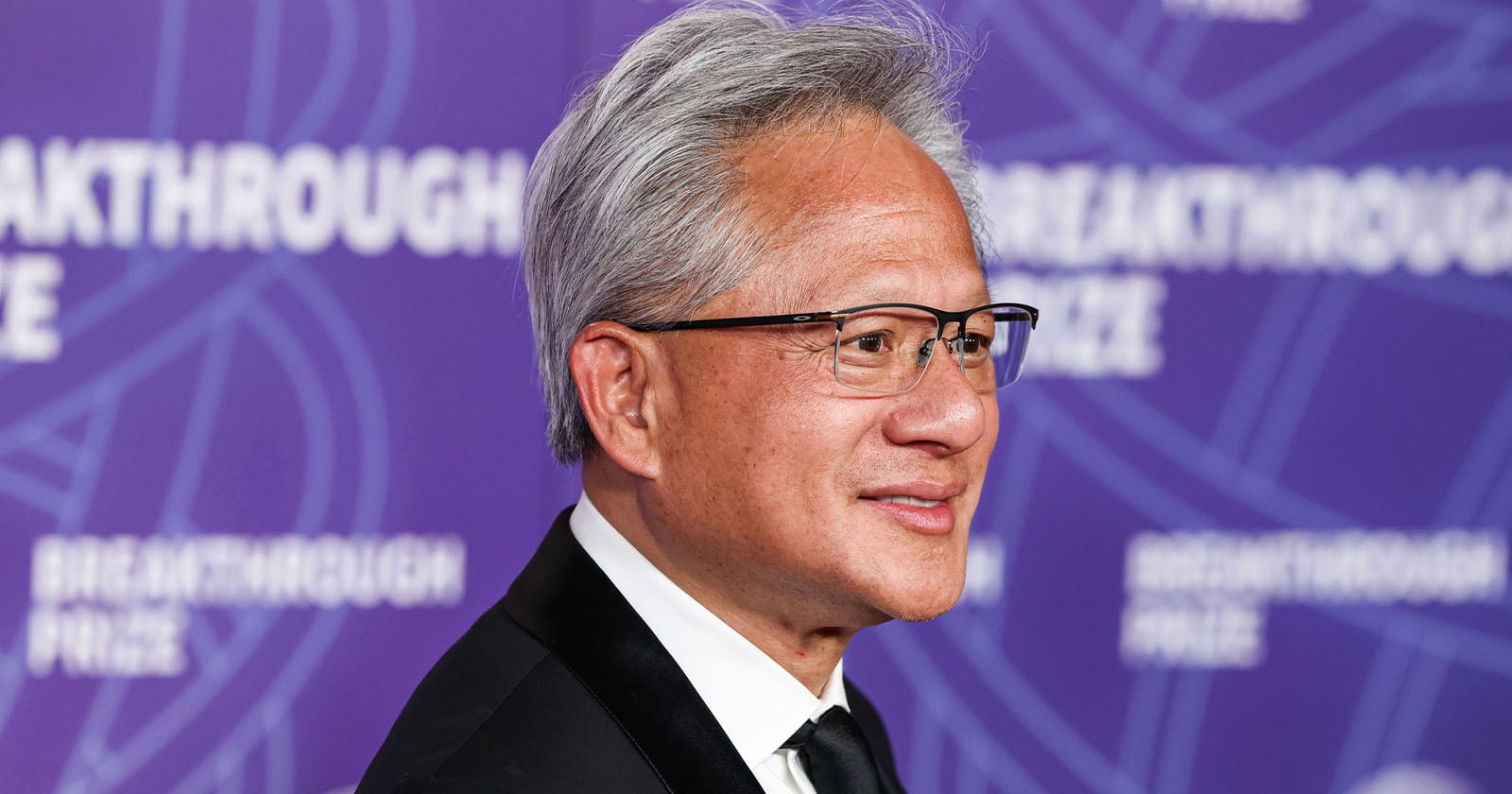
Redemption arcs in the corporate world rarely feel this human. Jensen Huang, who stepped down from Nvidia in disgrace less than two weeks ago, has returned as CEO and president, and we find ourselves genuinely moved by the candor of it all. This is not the polished, pre-scripted comeback we have grown accustomed to seeing from tech leaders. It is raw, it is swift, and it demands that we reconsider what second chances actually mean in an industry that often treats failure as permanent.
The parallels to creative work are striking. Just as we have explored how to recreate Fujifilm’s Classic Negative Look on the Nikon Zf by layering profiles and adjusting curves, Huang's return feels like an act of recalibration rather than erasure. You do not discard a vision because of a misstep; you refine it. And much like the ongoing Lumix-Sony rivalry, where bold design must outpace a fearless FX line, leadership is often about which company dares to trust its own instincts again after being burned. Huang's reinstatement suggests Nvidia believes its founder's instincts are worth betting on, even after a fall.
What does this mean for us, the creatives, the fitness-minded, the ones who curate our lives around authenticity? It means that the narrative of failure as final is losing its grip. In an era where we are constantly bombarded with curated perfection, seeing a leader return with the weight of his mistake still visible is oddly refreshing. We are not asked to pretend the disgrace never happened. We are asked to watch what happens next. That is the kind of storytelling we can learn from: one that refuses to skip the hard chapters.
The practical takeaway is this: whether you are rebuilding a camera profile, choosing a design philosophy, or trusting a leader again, the question is never whether the fall was ugly. It is whether the person standing up afterward has something worth following. For now, Nvidia has answered that question with a yes. We will be watching to see if the art of redemption holds.