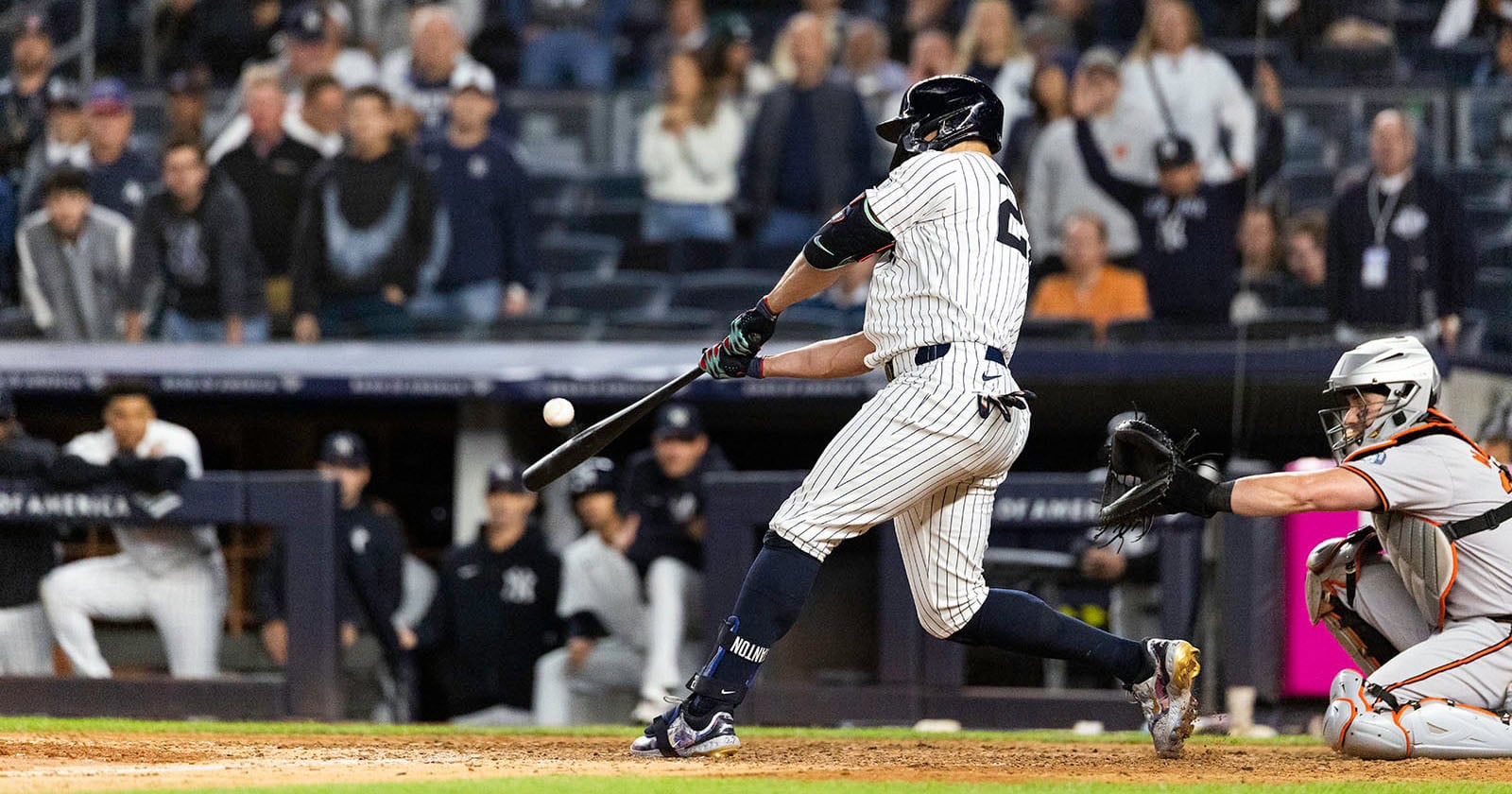
There is something quietly poetic about the way a baseball arcs through the air, and the technology that captures that arc deserves its own standing ovation. As the MLB playoffs unfold, we are reminded that the experience of watching a walk-off home run from our living rooms is not merely a matter of luck, it is the result of sophisticated camera systems working in precise harmony. This is not about stats or replays; it is about the artistry of motion, the curation of a moment that feels both intimate and epic. For those of us who appreciate how technology can elevate a visceral human experience, this intersection of sport and optics is where the real magic lives. It connects directly to our recent exploration of how timeless cameras and curated savings can redefine your approach to gear in The Art of the Savvy Shot: Timeless Cameras, Curated Savings, and it echoes the conversation we had about why modern digicams struggle to replicate that vintage spark in Why Today's Digicams Can't Recreate That Vintage Spark.
The practical takeaway here is simple yet often overlooked: the best technology is the kind you barely notice. These cameras do not announce themselves with flashy graphics or on-screen overlays; they simply track the ball from the pitcher's hand to the batter's bat, then follow its trajectory into the stands with a fluidity that feels almost organic. For the viewer, this means the difference between watching a hit and experiencing a home run. The distance measurement that appears on screen, that crisp number telling you just how far the ball traveled, is not a gimmick. It is the result of calibrated lenses, real-time data processing, and a deep understanding of spatial storytelling. In an era where image stabilization and autofocus have become indispensable tools for creators, as we discussed in Sharp Frames, Slow Hands: Testing Image Stabilization at the Edge, baseball's camera systems remind us that precision and grace can coexist.
What this means for our readers, whether you are a photographer, a fitness enthusiast, or simply someone who craves authentic, immersive experiences, is that the line between art and function is thinner than we think. The same principles that make a home run feel cinematic are the ones that can transform a morning workout into a ritual of beauty, or a fashion shoot into a narrative. We are not here to argue that baseball cameras are the next must-have gadget; rather, we want you to see that the pursuit of excellence in any field, be it sport, photography, or lifestyle, is rooted in the same attention to detail. The arc of a baseball is not random; it is a story told in three dimensions, and the technology that captures it is a testament to how far we have come in honoring that story.
The specific detail to watch as these playoffs continue is not the scoreboard. Watch the camera angles. Notice how the slow-motion replay of a bat connecting with a fastball reveals the grain of the wood, the tension in the batter's hands, the dust kicked up from the plate. That is not just coverage; it is a curated frame, a deliberate choice to let the moment breathe. The next time you see that distance marker appear after a home run, ask yourself: who decided that this moment deserved to be measured with such elegance? That is the question worth sitting with.