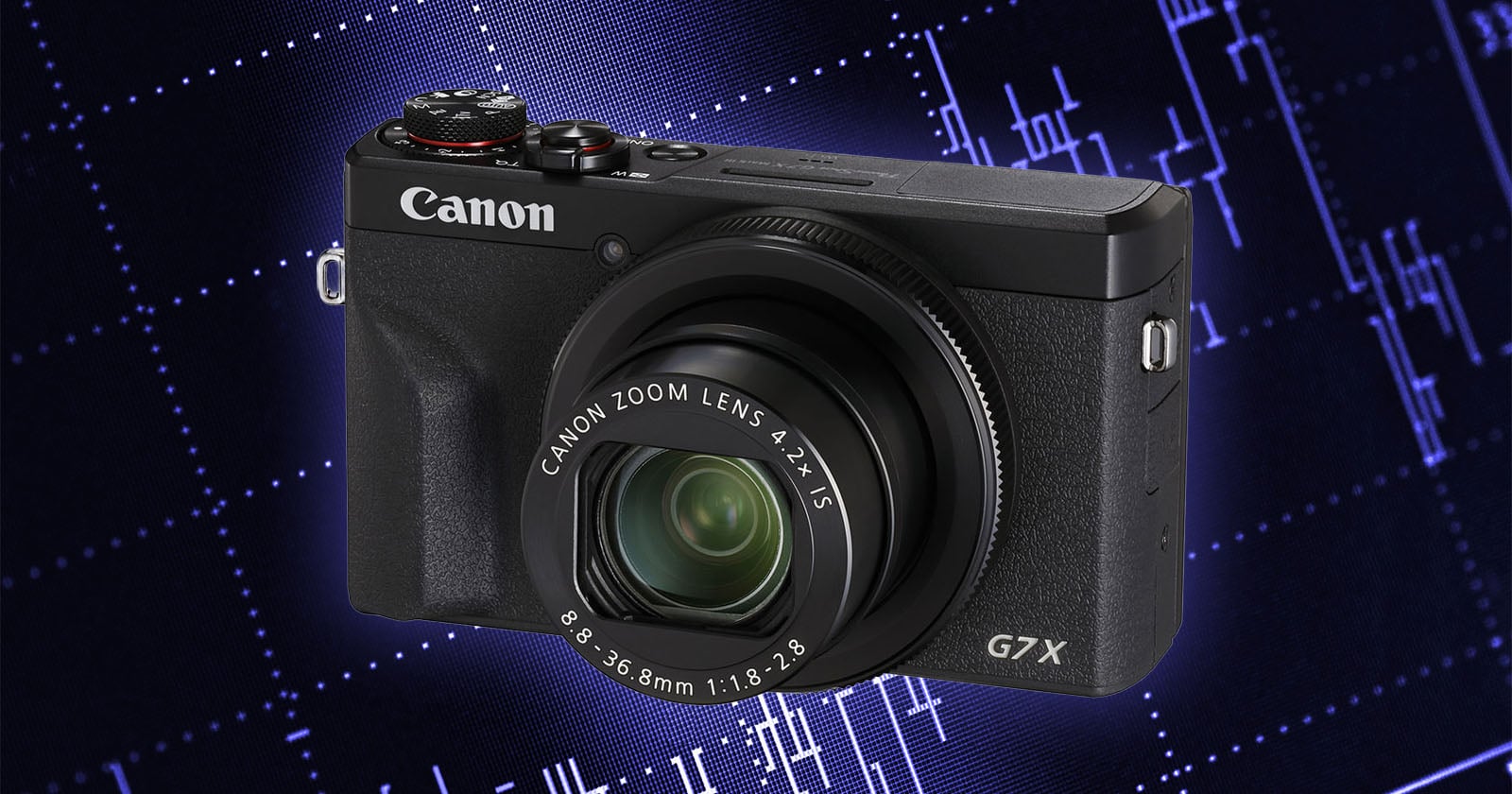
Two years of growth in digital camera shipments seemed like a renaissance, a quiet, hopeful proof that the art of framing a moment still mattered in an age of endless scrolling. But as the August data from CIPA now suggests, 2026 will likely break that streak. For those of us who believe photography is as much about intention as it is about technology, this isn't a crash. It's a correction. And it tells us something worth listening to: the market is no longer rewarding novelty for novelty's sake. The buzz around a new sensor or a higher megapixel count is fading; what remains is a deeper question of why we reach for a dedicated camera at all.
That tension between magic and utility is exactly what we've been tracking in our own coverage. When we looked back at Rediscovering the RX1R II: A Curated Classic in a Modern Frame, the appeal wasn't spec sheets, it was the quiet luxury of a fixed-lens compact that demanded discipline and rewarded patience. By contrast, The Instax Mini Evo 2 trades instant magic for digital drag captured how a brand can miscalculate by chasing features over feeling. The modern photographer isn't simply buying a tool; they are curating an experience. If the industry wants to reverse this downward trajectory, it must stop treating cameras as incremental hardware upgrades and start treating them as vessels for a lifestyle, a practice, not a purchase.
What does this mean for you? In practical terms, it means that the cameras most worth your attention today are not the ones with the loudest marketing campaigns. They are the ones that ask something of you. The Camp Snap 2 quietly claims the spotlight over the CS8 in 2026 proved that a simple, focused device can build a devoted following when it respects the user's rhythm. This is the direction we see forming: a flight toward intentionality. The audience that kept the two-year surge alive was never chasing raw power, they were chasing clarity, composition, and the satisfaction of a frame well made. If brands fail to understand that, the decline will continue not because people stopped loving photography, but because the industry stopped loving the photographer.
The specific consequence to watch is this: the next twelve months will separate the companies that build for the artist from those still building for the spec sheet. The ones that survive will be the ones that treat every shutter press as a collaboration. Our take? Don't wait for the market to tell you what matters. Keep using the camera that makes you slow down.