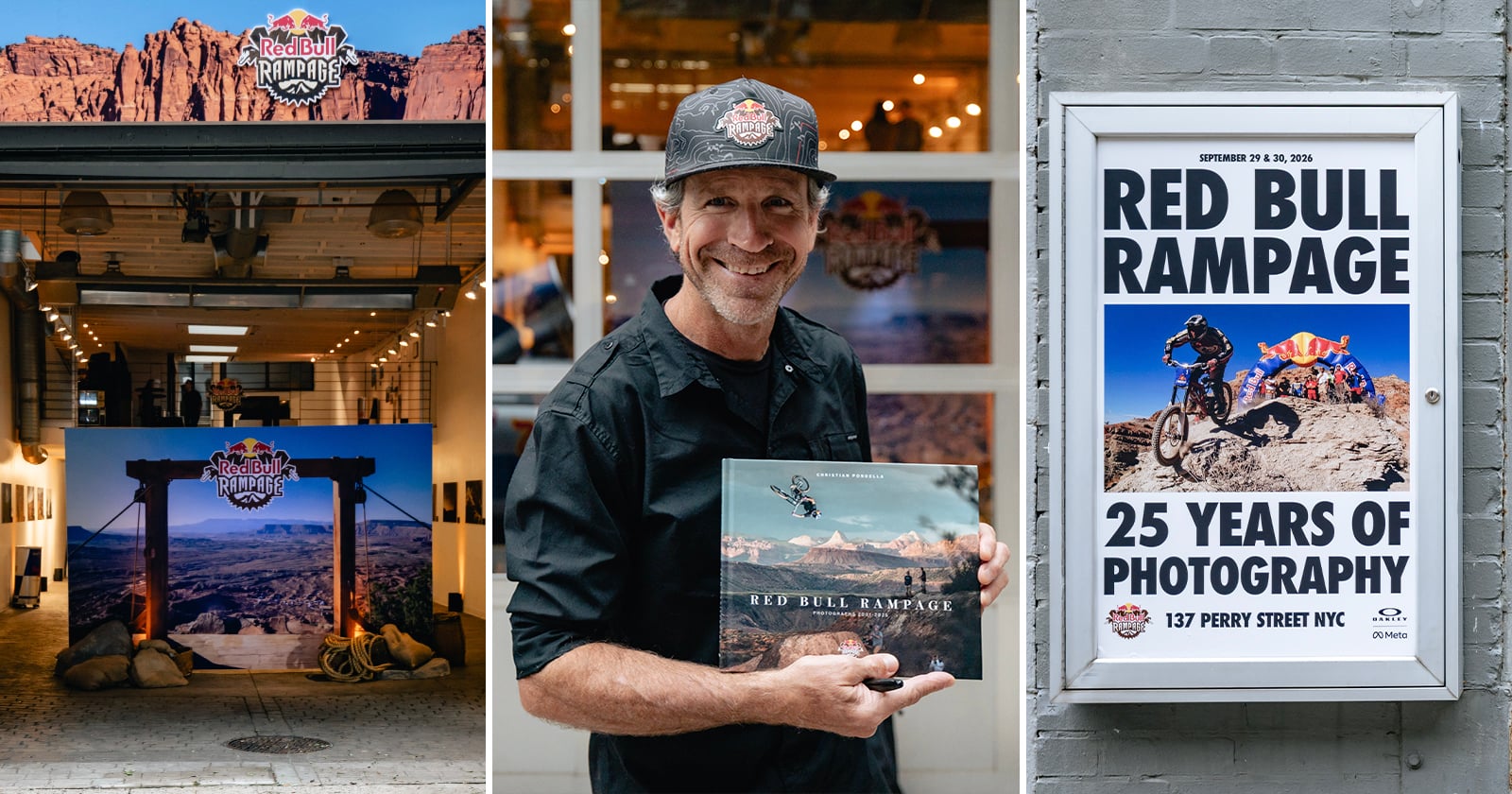
There is something almost absurd about the discipline required to capture a rider suspended in mid-air over a Utah cliff, and that absurdity is precisely what makes it art. We take the position that Red Bull Rampage photography is not merely documentation; it is a form of high-stakes curation, demanding an eye for composition while the body dangles from a precipice. For our audience, those who value the intersection of physical mastery and visual storytelling, this convergence of risk and aesthetic intention is the real story worth examining. It echoes the spirit we see in Beyond the Lens: Finding New York’s Soul Through a Photographer’s Eye, where the city's pulse is frozen into a single frame, and in Meet the Visionary Lensmen and Women Curating the 5 Boro Foto Fest, where a community gathers around the printed image. The difference here is the cliff: there is no second take when the subject is gravity.
What does it actually take? A lot is the honest answer, and we appreciate that bluntness. The material tells us this involves photographers stationed on sheer rock faces, balancing gear against wind and loose stone, waiting for a single second of perfect chaos. This is not a studio shoot with controlled light; it is a negotiation with the elements. For photographers in our readership, the practical lesson is severe placement over convenience. The frame matters, but so does where you plant your feet. It forces a rethinking of what "set" means, your set is a mountain, and your assistant is a rope. This stripped-down authenticity is what separates an action shot from a snapshot, and it is why the images from this event feel more like captured energy than recorded movement.
The challenge of photographing the impossible carries a specific consequence for how we consume action sports. We are not just watching athletes; we are watching the proof of a photographer's survival. Every image from the Rampage is a dual portrait: one of the rider, one of the person who chose to hold the camera steady while the ground dropped away. This understanding should change how you look at the next adrenaline-soaked cover shot. Look at the background for the dust, the angle for the risk. Ask yourself where the photographer was standing, because that position tells you as much about the shot as the rider's trajectory.
The final takeaway is uncomfortably direct: if you want to frame the extraordinary, you have to be willing to exist in an uncomfortable position, both physically and creatively. The next time you see a photograph of a bicycle hanging in space against a red rock sky, do not assume the hardest part was the jump. Look for the shadow of the photographer on the cliff, and consider whether you would trade your safety for that single frame of light.