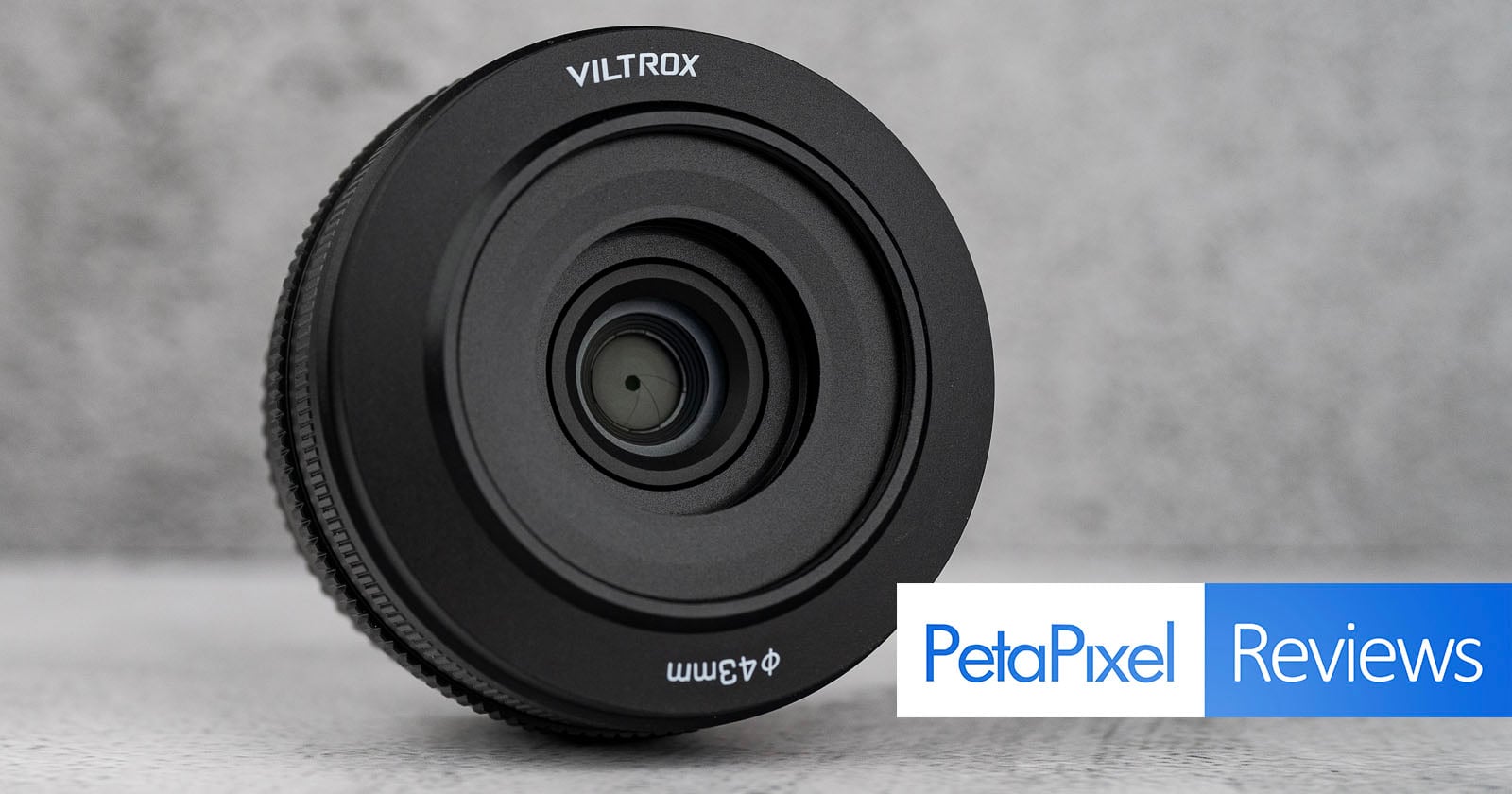
The compact full-frame lens has finally shed its reputation as a compromise, and the Viltrox EVO 26mm f/2.8 is the proof we've been waiting for. For years, photographers who prize both portability and image quality have been forced to choose between the two, but this pancake design makes that trade-off feel like a relic of the past. What matters most is what this means for the way we move through the world: a camera bag that once dictated your day now becomes an afterthought, slipping into a jacket pocket or a small crossbody without a second glance. This is the kind of gear that doesn't just perform, it liberates.
We've seen this philosophy play out in other recent releases, and the synergy is hard to ignore. Consider how The Tamron 20-40mm f2.8 and Nikon Zf Create a Curated Pairing proves that versatility and style can coexist without weighing you down. Then there's the approach of A Sling-Backpack Hybrid Built for the City, Crafted With a Photographer’s Eye, which reimagines how we carry our essentials in an urban landscape. The Viltrox EVO 26mm belongs in that same conversation, it's a lens that understands that the best travel kit is the one you forget you're carrying, until the moment you need it. And when that moment arrives, the full-frame sensor delivers the depth and clarity that smaller formats simply cannot replicate.
This isn't about gimmicks or chasing the thinnest profile on paper. The real achievement here is that the lens retains the character of a proper 26mm field of view, wide enough to capture a street scene or a café interior, yet tight enough to avoid the distortion that often plagues ultra-wide alternatives. For the creative traveler who values both spontaneity and craft, this opens up a new rhythm. You can walk into a market in Marrakech or a gallery in Berlin without the ritual of unpacking and assembling gear. The camera is already in your hand, the lens already focused, and the shot is yours before the moment slips away. That immediacy is not a luxury; it is the entire point.
The practical takeaway is this: if you have been waiting for a full-frame lens that treats travel as an art form rather than a burden, this is the signal you've been waiting for. The question it leaves us with is not whether it performs, it clearly does, but how many of us will rethink our entire kit because of it. Watch for the shift in how photographers talk about "walk-around" lenses over the next year, because the bar has just been quietly raised.