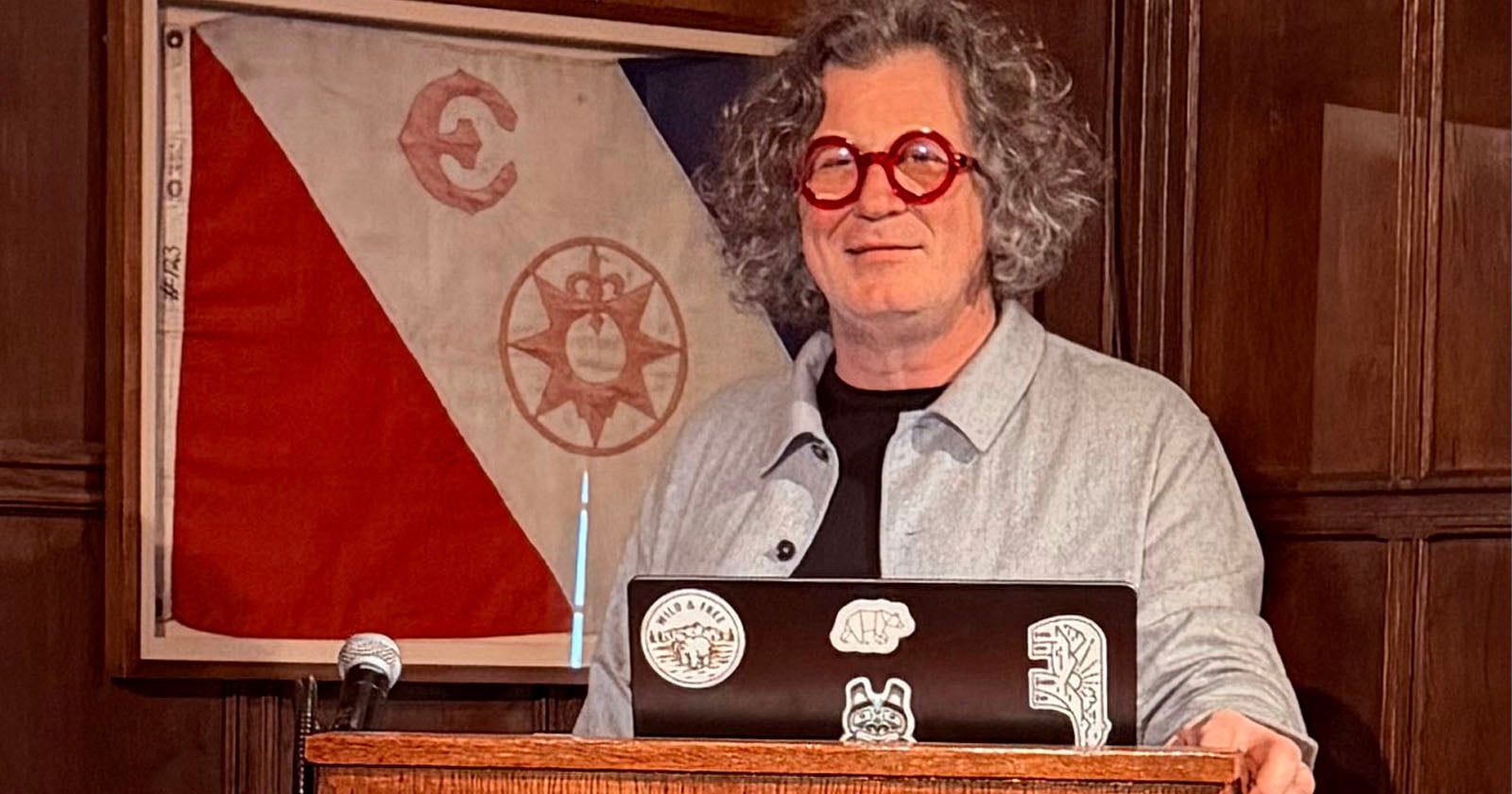
Jon McCormack's retirement from Apple is more than a leadership change, it is a quiet but significant shift in how the company has long approached the craft of image-making. For over a decade, McCormack was the person responsible for ensuring that the camera in your pocket felt less like a tool and more like an extension of your eye. His departure, regardless of the reasons behind it, raises a practical question for every creator who has come to trust the iPhone as a serious photographic instrument: what happens to the soul of that camera now?
McCormack was not an engineer who happened to take good pictures. He was a photographer first, one who understood that great image quality is not just about sensor specs or lens coatings, but about the ineffable quality of light, texture, and moment. Under his guidance, Apple's camera software evolved to prioritize what felt right over what measured best. That sensibility is rare in a hardware company, and it is precisely what made the iPhone's camera feel curated rather than merely specified. As we recently explored in our coverage of ACDSee's latest chapter blends artistry with AI for elevated photo editing, the tension between algorithmic efficiency and artistic intuition is a defining challenge of modern imaging. McCormack's tenure at Apple was a masterclass in balancing that equation. His absence leaves a void that cannot be filled by a promotion alone.
For the creative community that relies on Apple's ecosystem, this change is not abstract. The next generation of camera software will be shaped by a team that no longer includes McCormack's direct eye. That does not mean the results will be worse, Apple has deep talent and a clear design philosophy, but it does mean the signal has changed. The company's recent moves, including its embrace of computational photography and AI-enhanced processing, suggest a direction that may prioritize consistency and automation over the subtle, human-driven choices McCormack was known for. For creators who value authenticity in their tools, this is a moment to pay attention. It is also a reminder that the hardware is only half the story. As we noted in our piece on The hybrid tripod head that fluidly shifts from ball to gimbal modes, the best tools are those that adapt to the artist, not the other way around. The question is whether Apple's next chapter will continue to honor that partnership.
The specific consequence to watch is the next major iPhone release. Without McCormack's influence in the room, will the camera software continue to prioritize the kind of nuanced, film-like rendering that has distinguished Apple's approach, or will it lean further into a polished, one-size-fits-all computational look? That decision will tell us more about Apple's future direction than any press release could. For now, the takeaway is clear: the person who taught a generation of photographers to trust their phone is gone, and the next frame has yet to be composed.