The Brutal Truth About Social Media and Your Art
Our take
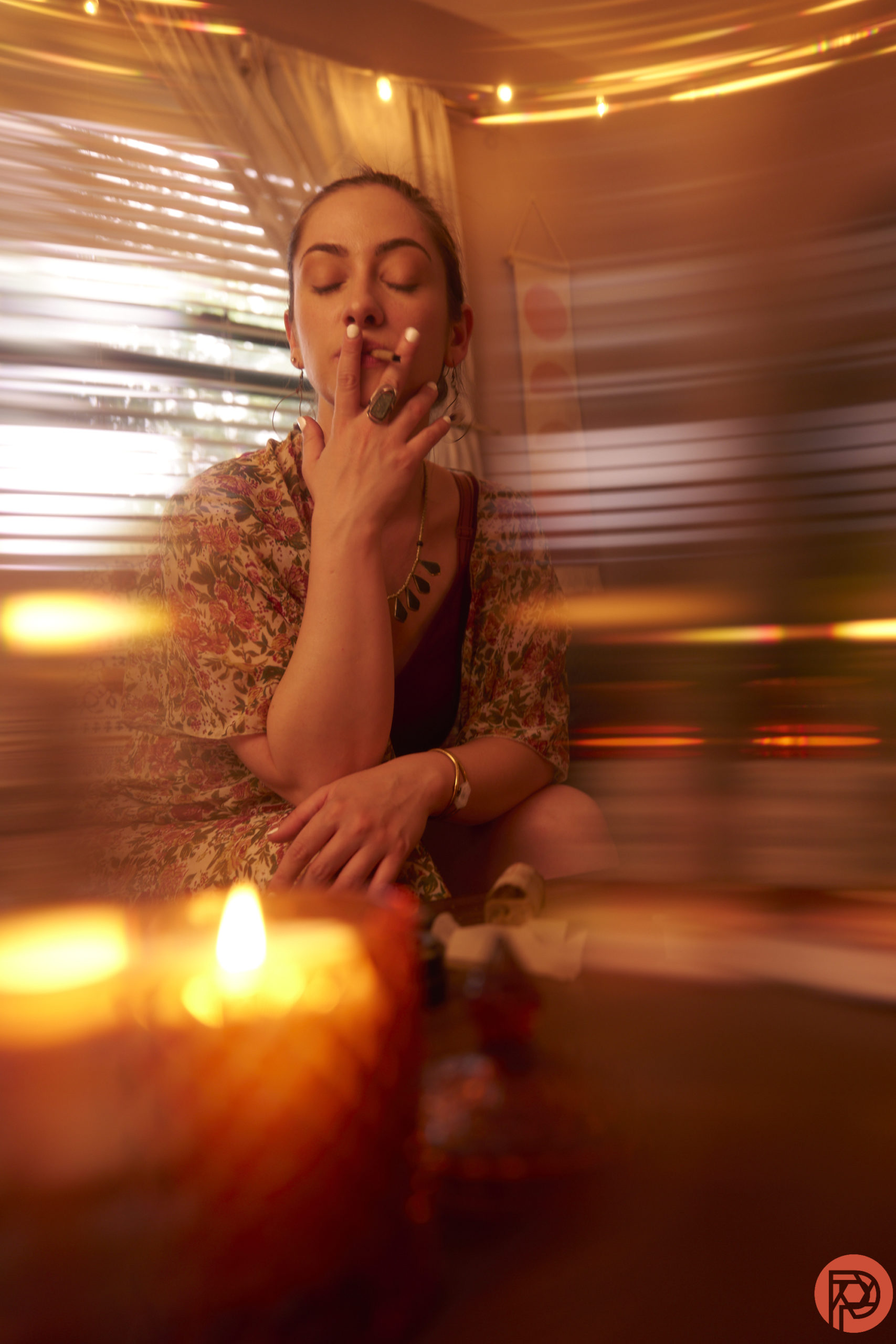
The brutal reality facing photographers today isn't a lack of skill or vision—it's a digital ecosystem rigged against the still image. Social media algorithms relentlessly prioritize video content, burying breathtaking single-frame photography even when it carries more soul and narrative depth than a thousand AI-generated TikToks with identical robotic voices. This systemic bias isn't just frustrating; it actively devalues the art form and stifles visual storytelling. As explored in The Photography Industry Secrets That Reddit Doesn’t Want You to Know, this platform favoritism creates an uneven playing field where authentic, nuanced photography struggles to gain traction against algorithm-optimized, often superficial, video content. The core issue isn't the photographer's craft; it's the platforms' design choices that undervalue contemplative visual experiences in favor of rapid-fire engagement metrics.
This matters profoundly because it shapes how we perceive and value art in the digital age. Photography, at its best, offers a moment of pause, a curated glimpse into a perspective, an emotion captured in a single frame. When algorithms systematically suppress these moments in favor of fleeting, often formulaic video clips, we risk losing the depth and authenticity that visual art provides. It diminishes the audience's opportunity to engage with meaningful imagery and undermines the photographer's ability to connect genuinely. The problem extends beyond visibility; it questions the very hierarchy of artistic value imposed by platforms seeking maximum click-through rates, often at the expense of genuine cultural resonance. Authenticity, a cornerstone of artistic integrity, becomes collateral damage in the race for algorithmic favor.
The solution lies not in abandoning platforms, but in actively cultivating spaces that recognize and champion photographic artistry. Initiatives like the special Portfolio Review for Photographers program offer a crucial counterpoint. They provide a dedicated, curated environment where the depth, skill, and unique perspective of a single image are the primary metrics of value. This isn't just about visibility; it's about affirming that photography remains a powerful, relevant, and essential form of expression worthy of attention in a noisy, video-saturated world. By seeking out and supporting these curated avenues, photographers can bypass the algorithmic bias and audiences can rediscover the immersive power of the still image. The challenge is to build and sustain these authentic channels, ensuring vibrant visual storytelling isn't lost in the relentless pursuit of ephemeral digital noise.
As we navigate this landscape, the critical question emerges: How can we collectively redefine digital success to prioritize lasting artistic impact over fleeting virality? The future of visual storytelling depends on our collective willingness to value depth over speed and authenticity over algorithmic appeasement.
Read on the original site
Open the publisher's page for the full experience