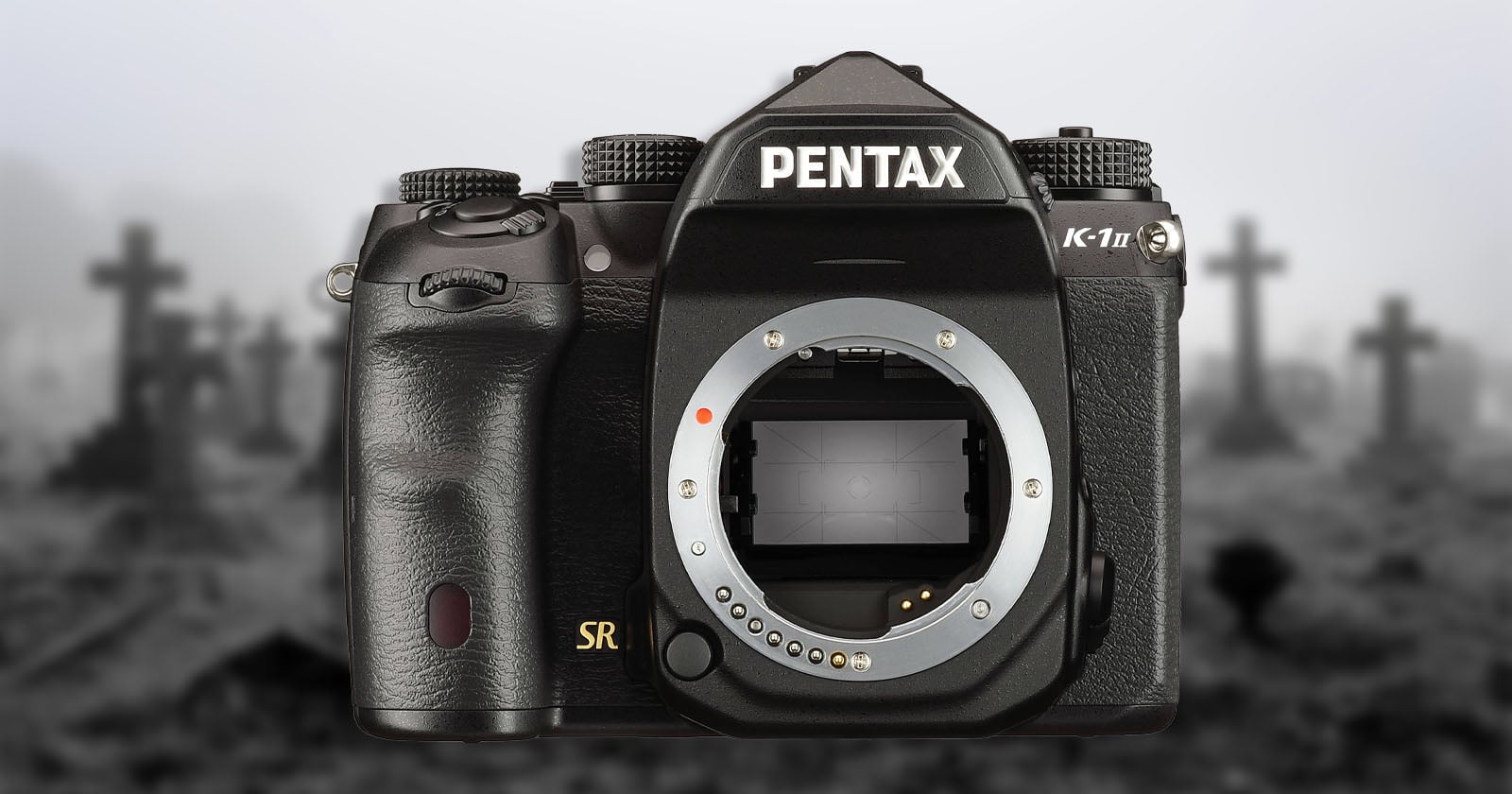
There is a particular silence that follows the end of a long, reliable hum. The news that Ricoh Imaging's Pentax K-1 Mark II DSLR has been discontinued across major Japanese retailers, leaving no Pentax DSLRs in active production, carries that weight. It is not the sudden crash of a falling giant, but the quiet fading of a familiar rhythm. For a certain kind of photographer, the one who loves the tactile heft of a prism and the deliberate choreography of a mirror, this feels less like a product update and more like a closing chapter. We are not mourning a single camera; we are witnessing the quiet retirement of a philosophy.
In a world that has moved decisively toward the hybrid efficiency of mirrorless systems, this moment asks us to consider what we value in the act of creation. The related news about the Leica Lux 2.0: Crafting iPhone Photography with Artistic Vision and the Refined and Accessible: The Nikon Z5 IIC—A Full-Frame Camera, Reimagined highlights a broader industry pivot. Leica is busy refining software for a phone, while Nikon is perfecting an accessible full-frame mirrorless experience. These are not bad directions; they are simply different expressions of the same artistic impulse. But they underscore that the tools of our craft are becoming quieter, lighter, and more computational. The Pentax way was always more about the ritual, the feel of the thing, and the singular focus that a heavy, optical viewfinder demands. Its absence from the production line is a clear signal that the market has voted, but it doesn't invalidate the beauty of what that ritual offered.
Our honest take is that this is not a tragedy, but it is a loss of a specific kind of intentionality. If a reader asked us what to do with this news, we would say this: do not rush to buy a K-1 Mark II just because it is disappearing. The practical truth is that the camera you already own, or the mirrorless camera you are considering, is more capable than ever. What you should do is recognize the value of constraint. The Pentax appeal was never about the highest burst rate or the most accurate autofocus; it was about the serene, deliberate act of pressing the shutter. We would tell you to borrow one, if you can, before they are gone. Use it for a weekend. Experience the weight. It will teach you more about composition and patience than any spec sheet, and it might make you a better photographer with whatever modern tool you ultimately choose. That is the real, lasting takeaway: the end of a production line does not erase the lessons the tool taught us. The challenge is to carry that deliberate spirit into a future that is increasingly automated. The real question is not whether the DSLR is dead, but whether we can keep the intentionality it inspired alive in a world of silent, electronic shutters.