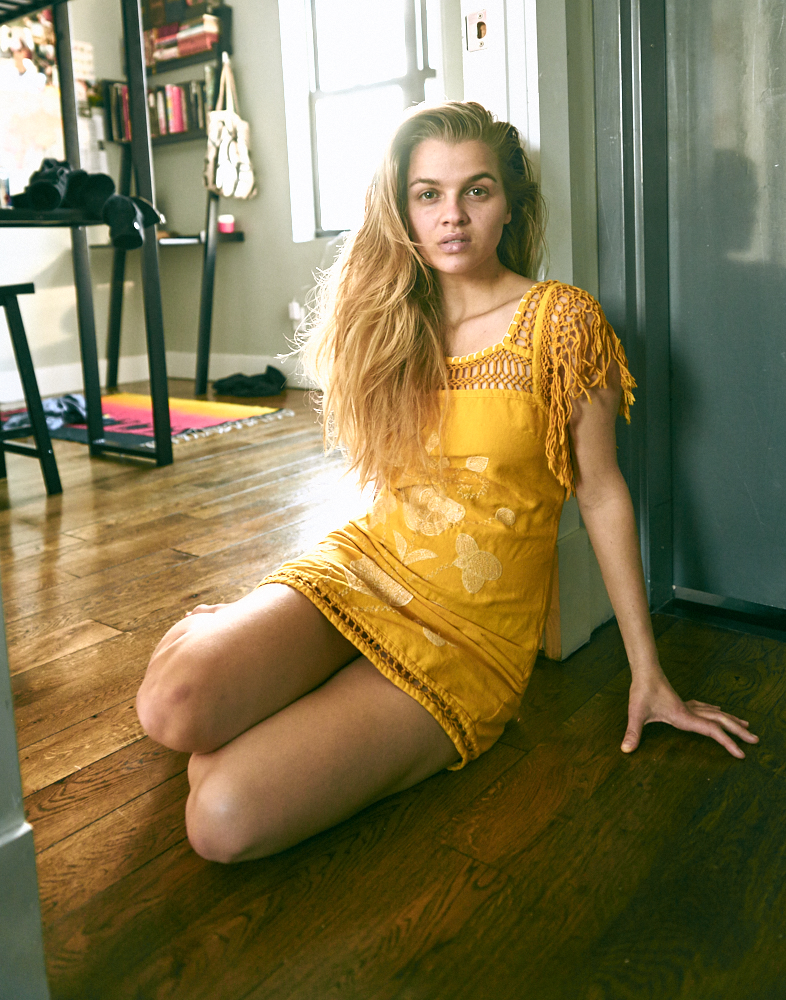
There is a quiet irony in the fact that we spend so much of our modern lives chasing the newest, sharpest, and most technically perfect images, only to find ourselves returning, again and again, to the gentle embrace of a soft shadow. The observation that people have always loved soft light, even as we occasionally flirt with the drama of direct flash, feels almost like a secret being let out. It is not a secret about gear or settings, but about a fundamental human preference for the way light can feel like a caress rather than a statement. This is the thread that runs through so much of our own work here, from the candid honesty of Finding Joy on the Streets, One Frame After Fashion to the timeless appeal of a camera that simply gets out of the way, as we explored in The Curated Archive: Revisiting the Olympus E-M5, the Original Icon. We are drawn to these stories because they share a common belief: that the soul of an image is not in its technical perfection, but in the feeling it conjures.
The real provocation here is not about photography at all, but about what AI is doing to our perception of it. As AI-generated images become increasingly sophisticated, they are not just mimicking photographs; they are holding them to a standard once reserved for paintings. This is a fascinating twist. We have spent decades celebrating the documentary realism of photography, its ability to capture a fleeting moment with absolute fidelity. Yet, in the age of AI, we are being asked to consider that the images we cherish most are not the ones that are merely accurate, but the ones that feel composed, curated, and almost painterly. The soft light that we have always loved is, in a sense, a form of abstraction. It is a way of editing reality, of removing the harshness and the noise to reveal a more essential truth. In this way, good photography has always been a form of selective memory, and AI is simply forcing us to acknowledge and embrace that fact more consciously.
For our readers, this is not a theoretical debate; it is a practical call to action. If AI can produce technically flawless images with a click, then what is left for the photographer? The answer is not in the gear or the sharpness, but in the eye and the intention. The value of a photograph is shifting from the ability to capture what is in front of the lens to the ability to see what is not immediately obvious. It is about finding that soft light, not because it is easier, but because it is a choice. It is about creating a mood, telling a story, and offering a perspective that is uniquely human. We would tell a reader who asks about this that the rise of AI is not a threat to your craft; it is a liberation from the tyranny of the literal. It frees you to lean into the artistic, the evocative, and the deeply personal aspects of your work.
The question we are left with is not whether AI will replace the photographer, but whether we will have the courage to stop competing with it on its own terms. The enduring allure of soft light is a reminder that we are not in the business of documenting the world; we are in the business of interpreting it. As you go out to shoot, consider not just what you are capturing, but how you are choosing to see it. The specific consequence of this shift is that the most successful photographers will be the ones who act less like technicians and more like painters, using light as their brush. The detail to watch is the next time you are tempted to boost that shadow slider for clarity; ask yourself instead if a softer approach might be the more honest one.