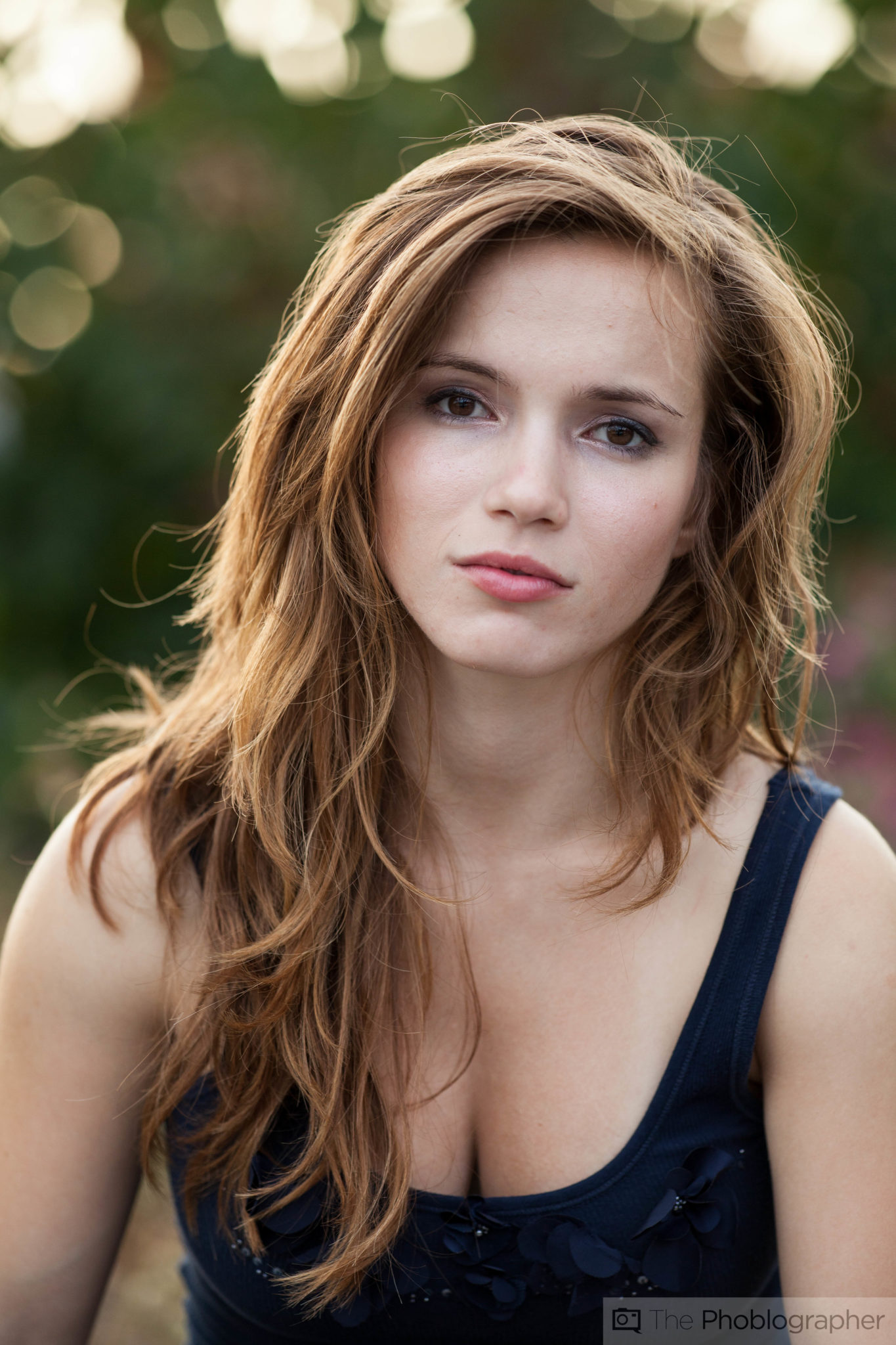
There is a quiet romance to the idea of the classic portrait lens. We see it in the glossy magazines and the curated feeds: a razor-thin depth of field, a background melting into a painterly blur, and a subject rendered with a clarity that feels almost intimate. For many starting out, that lens becomes a kind of holy grail, a promise that the right piece of glass will unlock a world of effortless beauty. But as the article points out, and as any working photographer eventually learns, the gear is rarely the hero of the story. The classic portrait lens is simply a tool, and a tool can just as easily produce a flat, uninspired image as it can a stunning one. It is a humbling truth, but a liberating one. You could hand a master a kit lens and they would still find a way to craft a frame of emotional resonance, just as a beginner with the most expensive prime on the market can fill a memory card with forgettable shots. This is a theme we know well here, whether we are chasing Finding Joy on the Streets, One Frame After Fashion or revisiting the tools that shaped our own journeys in The Curated Archive: Revisiting the Olympus E-M5, the Original Icon.
The myth persists because it is comforting. It suggests that mastery is a purchase away, that the gap between aspiration and achievement can be closed with a single, beautiful object. But the reality is far more interesting. The "classic" in classic portrait lens is not a guarantee of quality; it is a description of a look, and that look can be achieved, missed, or entirely reimagined depending on the eye behind the viewfinder. We are drawn to the idea of a tool that can do the heavy lifting, but the most compelling portraits are not the ones with the most perfect bokeh. They are the ones with a story, a connection, a flicker of truth that no lens can manufacture on its own. In the same way that a camera cannot capture the vastness of the cosmos without a photographer's patience and vision, as explored in Capturing Cosmic Beauty: An Astrophotography Journey with Nikon, the portrait lens is just a vessel for the photographer's intent.
So what do we tell the reader who is saving up, convinced that this one piece of kit will transform their work? We tell them to borrow one first, if they can, and to spend a weekend shooting with the specific intention of failing. Because the real lesson is not in the acquisition, but in the learning to see. The lens will not make your subject more interesting, nor will it give you a better sense of timing. It will simply give you a different way to frame the world, and that can be a beautiful thing or a crutch. The key is to approach it with curiosity, not expectation. The most honest takeaway here is a practical one: the next time you find yourself chasing a look, ask yourself what you are really trying to say. The lens is just the vocabulary; you are the one writing the sentence. And the most enduring portraits are not the ones that show off the glass, but the ones that show us a soul. Watch for that moment when you stop worrying about the gear and start trusting your instincts, because that is the moment your work will begin to feel like your own.