The FCC Has Given Insta360 a Big Chance to Dethrone the Dominant DJI
Our take
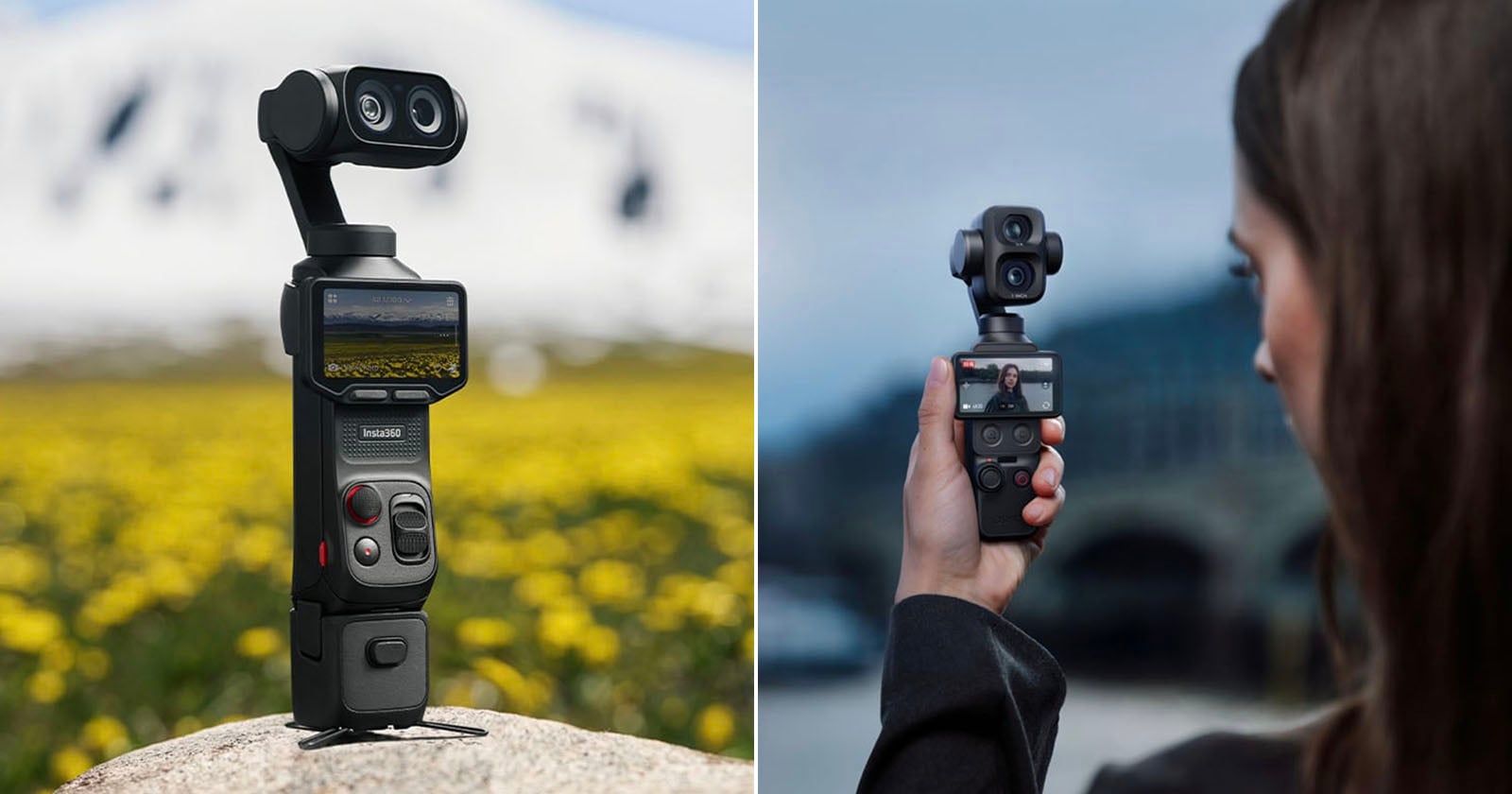
The aerial videography landscape has long been defined by a single name: DJI. Their dominance, as recently illustrated by their sweep of the top 10 video camera sales in Japan according to BCN Ranking, is frankly staggering. Even for a company known for innovation and market leadership, securing every spot is an almost unbelievable feat. However, a shift may be underway, particularly in the US market, where DJI’s position is facing unprecedented challenges. This isn't simply a story of a competitor gaining ground; it’s a narrative interwoven with geopolitical tensions and regulatory scrutiny. The recent FCC decision, granting Insta360 a significant advantage, presents a real opportunity to disrupt this established order, and the implications extend far beyond the camera market itself. It speaks to broader conversations around technological sovereignty and the future of creative tools. Consider the ingenuity showcased in [How a 20-Year-Old Has Spent 3 Years Building Panoramic Cameras by Hand], which highlights the relentless drive of independent creators pushing the boundaries of image capture, a spirit that Insta360 aims to tap into.
The FCC’s move, reportedly allowing Insta360 to bypass certain restrictions impacting DJI, isn’t a surprise given the escalating trade and security concerns surrounding Chinese-manufactured technology. While DJI maintains its products are safe and secure, the US government’s apprehension has created an opening. This isn’t about the inherent quality of DJI’s cameras—they remain undeniably impressive—but about a strategic realignment. Insta360, with its established reputation for user-friendly, versatile 360 cameras, is well-positioned to capitalize on this. Their strength lies not just in hardware, but in a software ecosystem that encourages experimentation and creative expression. We’ve seen similar narratives unfold in other tech sectors, where geopolitical factors influence consumer choices and market dynamics. The recent challenges faced by Sony’s sensor factory following the earthquake in Japan, detailed in [Sony’s Sensor Factory Is Back to Full Operation After Major Earthquake], demonstrate how external events can rapidly reshape supply chains and competitive landscapes, adding another layer of complexity to the situation. The ability to adapt and innovate quickly will be crucial for all players.
The potential dethroning of DJI isn't merely a case of one company replacing another; it represents a broader evolution in the aerial videography space. DJI’s success was built on accessible, powerful technology, democratizing aerial filmmaking. However, their dominance also arguably stifled innovation in certain areas. Insta360’s rise, fueled by the FCC’s decision and a renewed focus on creative workflows, could usher in a new era of experimentation and user-driven development. This resonates with the historical context explored in [Exhibition Uncovers Historical Photos From a Century of US Deportation Campaigns], which reminds us that technological advancement is often intertwined with social and political forces, shaping not only what we create but also how we perceive the world. The increasing accessibility of sophisticated camera technology fundamentally changes the power dynamic of storytelling, allowing independent creators to capture and share perspectives previously unavailable.
Ultimately, the battle for aerial videography supremacy is far from over. While Insta360's opportunity is significant, DJI’s resources and established market share remain formidable. The key question now is whether Insta360 can translate this regulatory advantage into sustained market growth, and whether other competitors will emerge to further challenge DJI’s dominance. Will the push for technological independence reshape the creative tools landscape, or will DJI’s established ecosystem prove too resilient? The coming months will be critical in determining the future of aerial videography and the broader implications for the technology industry.
According to the latest BCN Ranking in Japan, DJI made all 10 of the best-selling video cameras last month. Even by DJI's lofty standards, that level of dominance is absurd. In the US, this dominance is under threat from legal issues and competitors alike.
Read on the original site
Open the publisher's page for the full experience