The Fujifilm Eterna 55 Is Getting Automatic Electronic ND Support
Our take
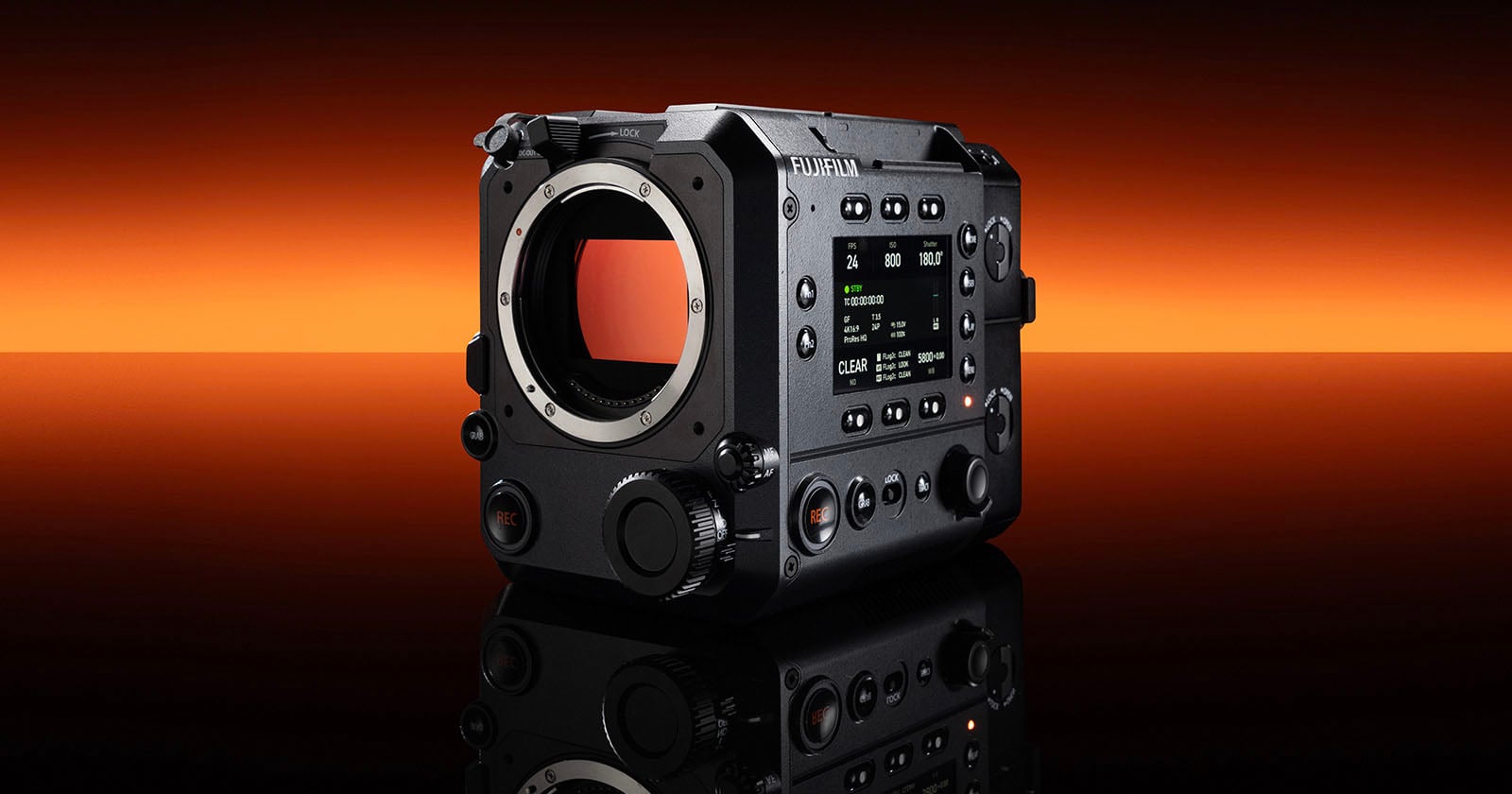
## Fujifilm Eterna 55 Firmware Roadmap: A Subtle Shift Towards Accessibility in Cinema
Fujifilm’s recent announcement of a firmware roadmap for the Eterna 55 cinema camera, headlined by the inclusion of automatic electronic ND (Neutral Density) support, signals a fascinating, if understated, evolution in their approach to the filmmaking market. While the Eterna 55 has always been lauded for its gorgeous filmic rendering and robust build quality, it’s often been perceived as a tool aimed at more seasoned professionals comfortable with manual control and complex workflows. This update, alongside other improvements like enhanced zebra patterns and focus peaking, indicates a growing awareness of the need to broaden its appeal without compromising its core artistic identity. For our audience – creative collaborators and those seeking to elevate their visual storytelling – this isn't merely a technical upgrade; it's a subtle recalibration aimed at making the Eterna 55 a more versatile and approachable tool. It’s a move that echoes the broader trend within the cinema camera landscape, where manufacturers are striving to balance professional capabilities with user-friendliness. Consider the ongoing advancements in Blackmagic Design’s cameras, as detailed in Blackmagic Design's Pocket Cinema Camera 6K Pro Review, which have democratized high-quality filmmaking to a degree previously unimaginable. Fujifilm’s approach feels less disruptive, more evolutionary, maintaining the brand’s established aesthetic while easing the learning curve for a wider range of filmmakers.
The automatic electronic ND functionality is particularly noteworthy. Traditionally, filmmakers have relied on physical ND filters to manage exposure in bright lighting conditions. These filters, while effective, can be cumbersome, adding complexity to the shooting process and potentially introducing unwanted artifacts. Automatic ND, as implemented in other cameras like those from Sony, uses the camera’s sensor to dynamically adjust the electronic ND filter, maintaining a consistent exposure even as lighting changes. This not only simplifies operation but also allows for greater flexibility in dynamic shooting scenarios, such as interviews or run-and-gun filmmaking. The addition of more precise zebra patterns and enhanced focus peaking further enhances the camera's usability, especially for solo shooters or those working with smaller crews. This aligns with a growing demand for streamlined workflows, as highlighted in a recent discussion about workflow optimization where efficiency and ease of use are paramount. Fujifilm’s decision to focus on refining existing features, rather than introducing entirely new ones, demonstrates a commitment to supporting the existing Eterna 55 user base and solidifying its position as a reliable, high-quality cinema camera.
Beyond the immediate practical benefits, this firmware update speaks to Fujifilm’s long-term vision for the Eterna 55. It’s not a radical reimagining of the camera, but rather a strategic enhancement designed to expand its relevance in an increasingly competitive market. Fujifilm has cultivated a strong reputation for its film simulations and color science, and the Eterna 55 has become a favorite among cinematographers seeking a unique, film-like aesthetic. By making the camera more accessible and easier to use, Fujifilm is effectively broadening the potential audience for that aesthetic, allowing more filmmakers to achieve their desired look without sacrificing image quality or creative control. This is a sophisticated approach, acknowledging that the core value proposition of the Eterna 55 lies not just in its technical specifications, but in the visual language it enables. The focus on refinement also allows Fujifilm to continue to build upon its existing ecosystem, fostering loyalty amongst its users and strengthening its position in the cinema camera space.
Looking ahead, it will be interesting to observe how Fujifilm continues to evolve the Eterna 55 and its broader cinema camera lineup. Will they introduce more advanced automation features, or will they continue to prioritize refinement and ease of use? The rise of AI-powered filmmaking tools presents both a challenge and an opportunity for manufacturers like Fujifilm. Integrating AI could streamline workflows even further, but it also risks diluting the artistic control that many cinematographers value. The decision to focus on automatic ND, for now, suggests a cautious but deliberate approach—one that prioritizes enhancing the existing capabilities of the Eterna 55 without sacrificing its core identity. The question remains: how will Fujifilm balance the demands of an increasingly automated filmmaking landscape with the desire to preserve the craft of cinematography?
Fujifilm has published a firmware roadmap for the Fujifilm Eterna 55 cinema camera, the contents of which it says are designed to further expand its capabilities and applications as a filmmaking tool.
Read on the original site
Open the publisher's page for the full experience