The Leica Summicron-M 66mm f/2 Is a New Take on a Historic Spy Lens
Our take
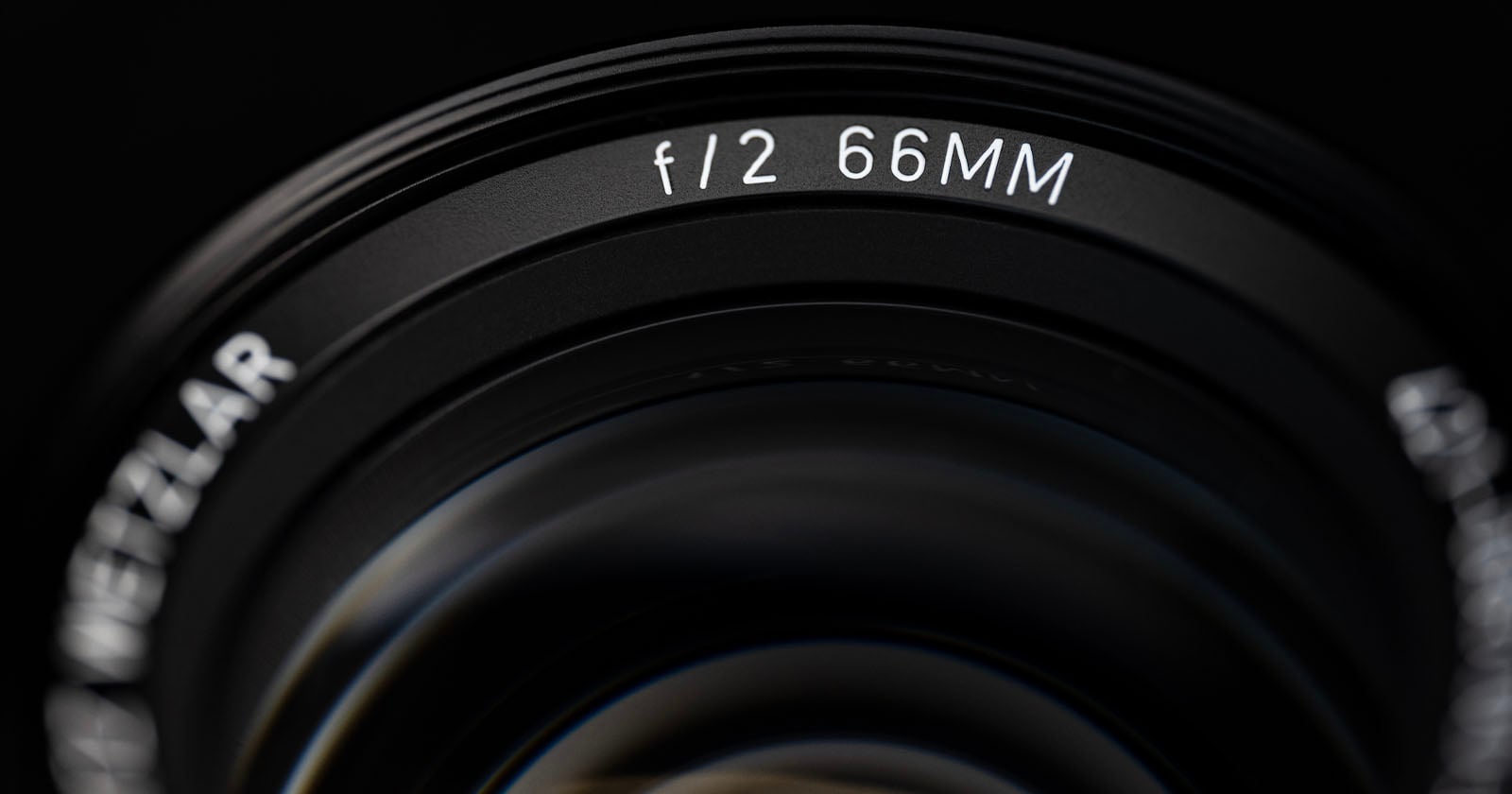
The release of the Leica Summicron-M 66mm f/2 isn’t just another lens announcement; it’s a fascinating echo of history and a subtle statement about Leica’s enduring commitment to both heritage and innovation. The connection to the Elcan 66mm f/2, developed during the Cold War for reconnaissance purposes, immediately injects a layer of intrigue. This wasn't simply a lens designed for beautiful portraits; it was engineered for discerning detail from considerable distances, a legacy that speaks to exceptional optical performance. Considering Leica’s broader history, it’s fitting they’d return to this lineage. Their recent exploration of vintage aesthetics, as seen in their reimagining of classic cameras, demonstrates a clear understanding of the power of narrative and the appeal of craftsmanship—a narrative we explored further in Leica's M11: A Return to Film-Like Perfection. The Summicron-M 66mm f/2 taps into that same desire for tangible connection to a storied past, while simultaneously offering a contemporary tool for the modern photographer. It’s a clever blend of nostalgia and utility that resonates with the discerning audience who appreciate both the art and the engineering behind exceptional optics.
The technical details, while less sensational than the spy lens backstory, are equally compelling. A 66mm focal length on a Leica M-mount camera offers a slightly compressed perspective, ideal for portraiture and environmental storytelling. The f/2 aperture provides ample light-gathering capability and a pleasingly shallow depth of field, allowing for creative control over focus and background blur. What’s particularly interesting is Leica’s approach to “reinterpretation.” They’re not simply replicating the original Elcan design; they’re leveraging decades of advancements in lens coating and manufacturing techniques to improve upon it. This is a crucial distinction. It’s not about slavish devotion to the past, but about honoring it through meticulous refinement. We've seen similar approaches in other high-end optics; for example, the renewed interest in classic bokeh characteristics is driving innovation in modern lens design, as we discussed in The Return of Creamy Bokeh: Modern Lenses Inspired by Vintage Optics. The Summicron-M 66mm f/2 promises to deliver a unique character—a blend of vintage charm and contemporary performance—that sets it apart from other lenses in the 60mm-70mm range.
The significance of this release extends beyond the lens itself. It speaks to a broader trend within the photography world: a renewed appreciation for manual focus lenses and the tactile experience of shooting with a rangefinder camera. In an age of increasingly automated and computationally enhanced photography, there's a growing desire for tools that demand a more deliberate and engaged approach. The Leica M system, with its manual focus and minimalist design, embodies this ethos. The Summicron-M 66mm f/2 seamlessly integrates into this ecosystem, offering photographers a lens that rewards precision and encourages a deeper connection with their subjects. Furthermore, Leica's pricing strategy – consistently positioned at the premium end of the market – reinforces their brand identity as a purveyor of exceptional quality and timeless design. It's not a mass-market product; it’s a tool for those who value craftsmanship and are willing to invest in it.
Ultimately, the Leica Summicron-M 66mm f/2 raises a compelling question: how far can a brand successfully leverage its historical narrative while simultaneously pushing the boundaries of optical innovation? Leica’s track record suggests they’re exceptionally well-equipped to answer that question. The lens itself is undoubtedly a beautiful piece of engineering, but its true value lies in the story it tells – a story of espionage, craftsmanship, and the enduring pursuit of photographic excellence. It will be fascinating to observe whether this lens inspires a new wave of photographers to explore the Leica M system and embrace the challenges and rewards of manual focus photography, or if it remains a niche offering for dedicated enthusiasts.
Leica has announced the Summicon-M 66mm f/2, which it calls a reinterpretation of the Elcan 66mm f/2 that was developed by Dr. Walter Mandler at Ernst Leitz Canada in the late 1960s.
Read on the original site
Open the publisher's page for the full experience