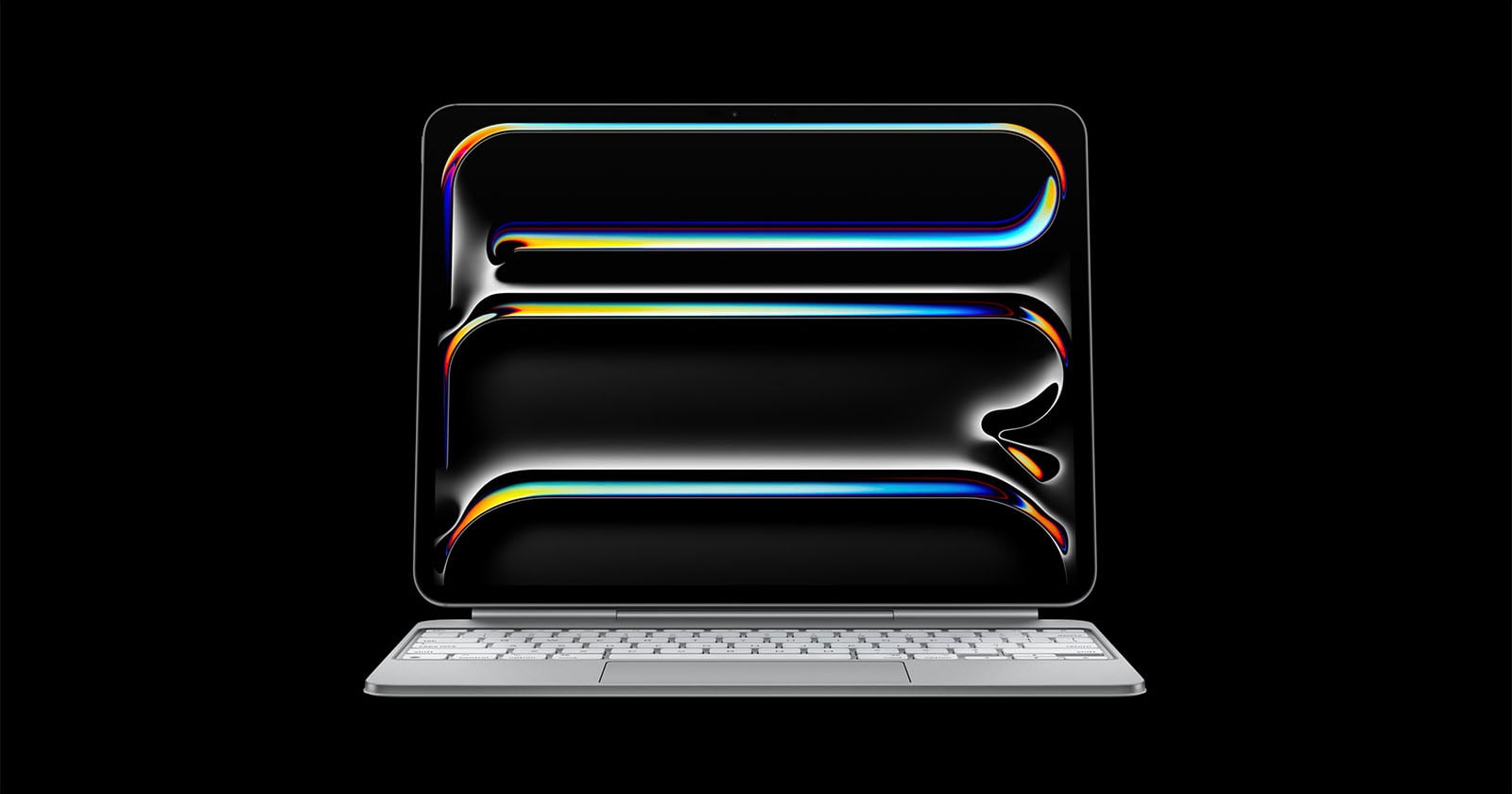
The marriage of touch and laptop computing has always felt like a reluctant arrangement, but Apple's latest MacBook Pro, now equipped with a touchscreen, finally makes the relationship feel intentional. Yet this union only sharpens a lingering question that deserves a more elegant answer: why can't we run macOS on the iPad Pro? The logic has never been more compelling, and the silence from Cupertino is starting to feel less like restraint and more like an unfinished sentence.
When we covered the MacBook Pro Touch Arrives Without Sacrificing Peak Performance, we praised the hardware for bridging two worlds without compromise. But that same breakthrough exposes the iPad Pro's odd middle ground: it has the processing power and now a keyboard-and-trackpad ecosystem, yet it remains tethered to iPadOS. Meanwhile, The new MacBook Pro blends touch and OLED into a curated creative tool, a configuration that feels like a direct challenge to the iPad's own identity. For creative professionals who crave the fluidity of a tablet and the full desktop software stack of a Mac, the choice becomes a compromise no matter which device they pick.
What we want is not a simple merger of two operating systems. It is a curated, intentional experience that lets the user toggle between a touch-first creative palette and a precision-driven macOS workflow, without carrying two devices. The iPad Pro's M-series chips already run macOS-level tasks in benchmarks, and the Magic Keyboard offers a laptop-class typing experience. The only barrier is a software wall that feels increasingly arbitrary. Artists editing on Procreate, photographers culling in Lightroom, and writers drafting in Ulysses all know the friction: you can start a project on the iPad, but you hit a ceiling when a Mac-exclusive plugin or file system is needed.
The real artistry here would be in the execution. A hybrid mode, perhaps one that recognizes when the iPad is docked and transitions into a macOS environment, would honor the device's versatility without diluting the tablet's essence. We are not asking for a clunky dual-boot system; we want an immersive, fluid layer that respects the hardware's dual nature. Until Apple makes that leap, the line between MacBook Pro and iPad Pro will remain a blurred curiosity rather than the elegant seam it could be. The specific takeaway is this: the next iPadOS update should offer a desktop mode that unlocks macOS applications when the keyboard is attached, or Apple should simply admit the devices are converging and give us the tool they already designed.