The Look of Your Favorite Films are Right Here
Our take
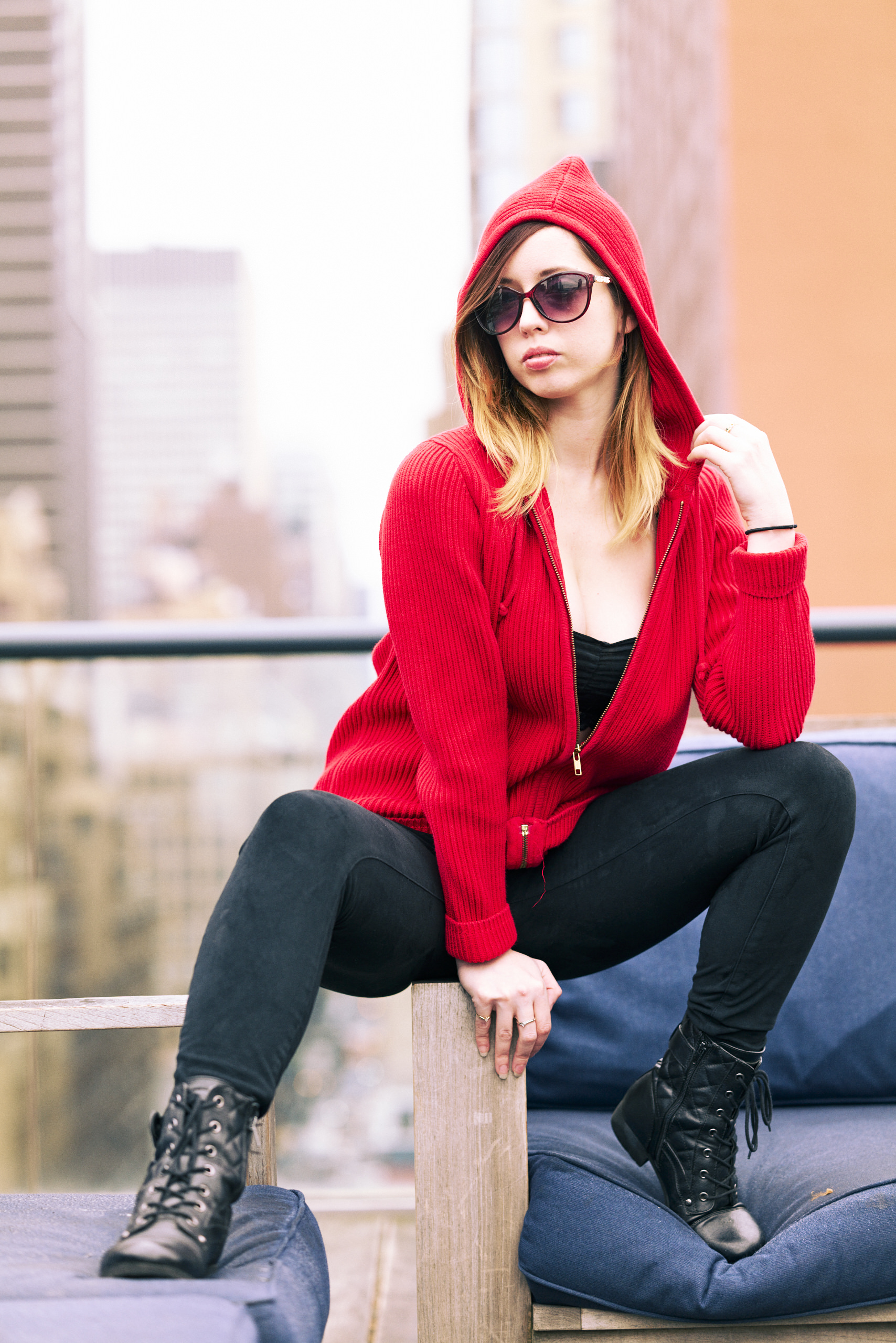
The evocative visuals of cinema have long held a unique power, shaping our aesthetic sensibilities and inspiring countless artistic endeavors. The recent conversation around achieving those looks through readily accessible photography tools—specifically, through Lightroom and Capture One presets—is a fascinating development. It’s a democratization of cinematic style, moving beyond the realm of expensive film labs and into the hands of photographers seeking to imbue their work with a similar grandeur. The idea of replicating the distinctive visual language of beloved films, from the saturated hues of a Wong Kar-wai film to the stark contrast of a classic noir, is undeniably appealing. This isn’t simply about applying a filter; it’s about understanding the underlying principles of color grading, lighting, and composition that define those cinematic aesthetics and finding a way to translate them into still photography. It’s worth noting the parallel advancements in display technology, which are increasingly capable of rendering these nuances with incredible accuracy; research into all-new pixel types that can both record and display light [Researchers Develop All-New Pixel Type That Can Both Record and Display Light] promises even more faithful reproduction of these artistic visions.
The accessibility of these presets also speaks to a broader shift in the photographic landscape. The rise of digital photography and editing software has empowered a generation of creators, allowing them to experiment with styles and techniques that were previously unattainable. We’ve seen this reflected in the growing popularity of studio tours, like our recent look inside NUOVO Vancouver, BC [NUOVO Vancouver, BC - Photography Studio Tour], which demonstrate the evolving workflows and aesthetic preferences of contemporary photographers. It’s no longer enough to simply capture a technically proficient image; photographers are increasingly focused on crafting a specific mood and atmosphere, and presets provide a shortcut—albeit a potentially powerful one—to achieving that. Of course, this raises questions about authenticity and originality. While presets can be a valuable tool for inspiration and experimentation, relying on them too heavily could stifle creativity and lead to a homogenization of photographic styles. The challenge lies in finding a balance – using presets as a starting point while retaining the ability to personalize and refine the final image. It's also interesting to consider how this intersects with broader wellness trends; photographers, like athletes, are constantly seeking ways to optimize their performance and efficiency, and these tools offer a pathway to that goal, as we’ve seen with approaches to physical conditioning, like the dumbbell leg workout [This Dumbbell Leg Workout Builds Lower Body Strength], which emphasize targeted strength building.
The affordability of these presets is a particularly significant factor. Historically, achieving a cinematic look required significant investment in equipment and expertise. Now, a relatively modest sum can unlock a range of styles, making sophisticated aesthetics accessible to a wider audience. This doesn’t diminish the skill of a seasoned colorist, of course. Rather, it provides photographers with a valuable tool to explore different creative directions and streamline their workflow. Furthermore, the ability to easily recreate specific looks across a variety of lighting conditions—studio or natural—highlights the versatility of these presets. This is particularly useful for photographers working in diverse environments, from street photography to landscape and portrait work. The key, however, remains understanding the principles behind the presets. Simply applying a preset without understanding its underlying parameters will likely result in a superficial and ultimately unsatisfying result. True mastery comes from learning how to modify and adapt presets to suit individual needs and artistic visions.
Looking ahead, it’s intriguing to consider how AI will further shape the landscape of photographic editing. We’re already seeing AI-powered tools that can automatically analyze images and suggest adjustments, and it’s likely that these capabilities will only become more sophisticated. Will AI eventually be able to replicate the signature style of a particular filmmaker with even greater accuracy? And, more importantly, will the pursuit of replicating established aesthetics ultimately overshadow the development of new and original visual languages? The democratization of cinematic style presents exciting possibilities, but it also demands a thoughtful and critical approach. The crucial question becomes: how can photographers leverage these tools to enhance their creativity while remaining true to their own artistic vision?
Read on the original site
Open the publisher's page for the full experience