‘The Odyssey’s’ AI-Generated Competitor Is Bereft of Humanity
Our take
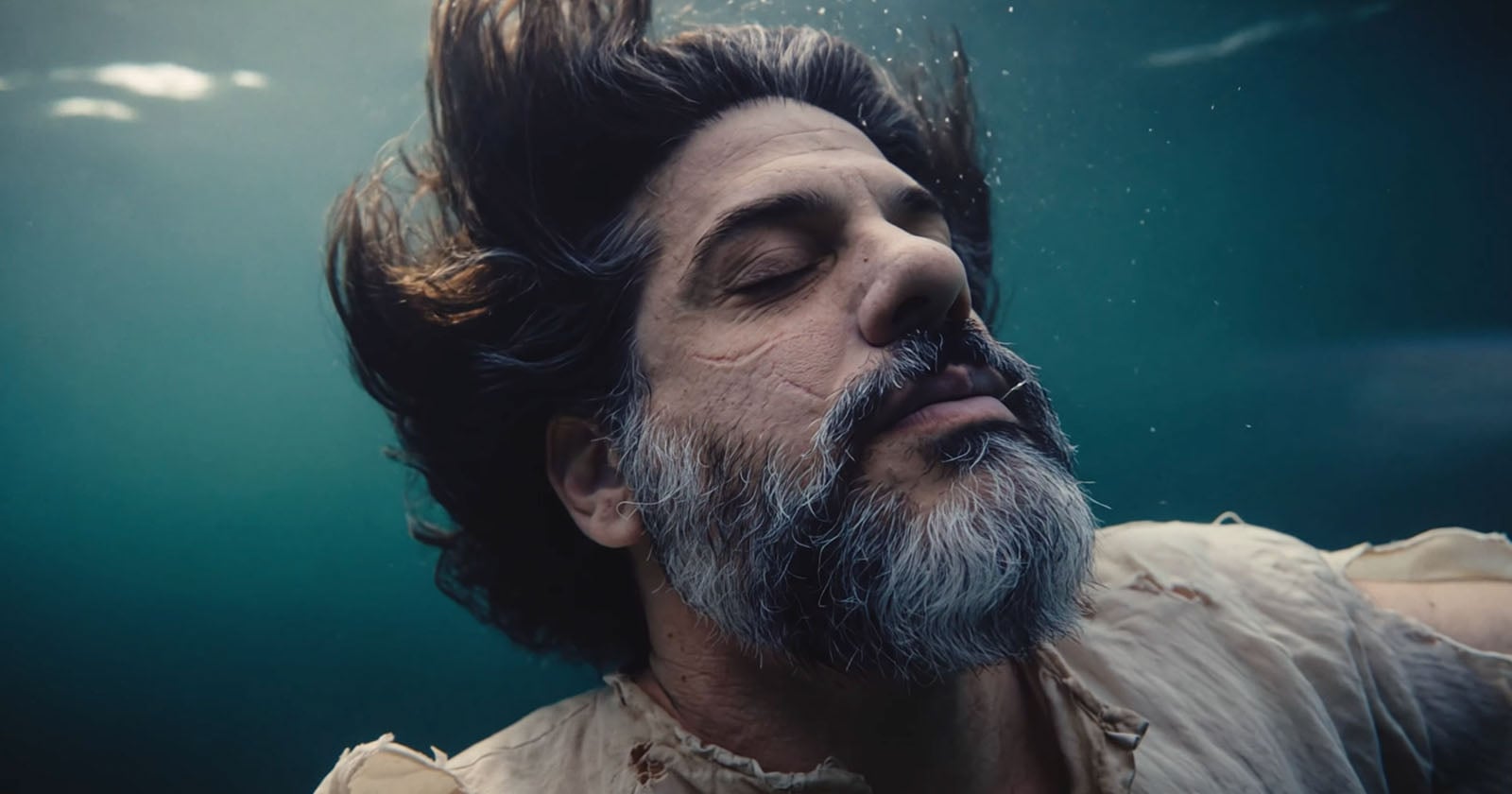
The rise of the AI-generated adaptation of Homer’s *The Odyssey* feels like a particularly jarring moment in a rapidly evolving technological landscape. Just as Christopher Nolan pushes the boundaries of cinematic storytelling with his ambitious use of groundbreaking IMAX cameras – a feat that, as detailed in ‘The Odyssey’ Actors Needed a Mirror System to See Around Gigantic IMAX Camera, required innovative solutions for the actors themselves – an AI seeks to replicate the same narrative through algorithmic means. It’s a stark contrast, highlighting the fundamental difference between human artistry and machine mimicry. The inherent question isn't simply about whether an AI can *create* art, but what we risk losing when we prioritize efficient replication over the nuanced expression of the human experience. The anxieties surrounding this development are amplified by the broader hesitations around emerging technologies, as seen with Meta’s smart glasses, where users are reportedly “Meta Smart Glasses Owners Too Scared to Wear Them in Public”, reflecting a wider discomfort with pervasive surveillance and the erosion of privacy.
The core issue isn’t that AI can generate content; it's that this content, regardless of technical proficiency, lacks the soul and intentionality that defines compelling art. *The Odyssey*, as a narrative, isn't just about a hero’s journey; it's a profound exploration of human resilience, longing, and the complexities of fate. To distill that into a series of algorithms, however sophisticated, is to strip it of its emotional resonance. While AI can analyze and replicate patterns, it cannot replicate the lived experiences, the cultural context, or the artistic choices that imbue a work with meaning. The very essence of storytelling lies in the imperfections, the vulnerabilities, and the unique perspectives of the human creator—qualities inherently absent in a machine-generated equivalent. This isn’t about fearing technological progress; it’s about recognizing the irreplaceable value of human creativity and guarding against its devaluation. The comparison to Nolan’s film is particularly potent – his dedication to practical effects and the tangible craft of filmmaking underscores a commitment to a level of artistry that AI, in its current form, cannot replicate.
This development also raises crucial questions about the future of creative industries. If AI can generate passable, even superficially impressive, adaptations of classics, what happens to the human artists—the actors, writers, directors, and cinematographers—who dedicate their lives to honing their craft? While some argue that AI could be a tool to augment human creativity, the ease and cost-effectiveness of AI generation pose a significant threat to livelihoods and the very foundations of artistic expression. The potential for mass-produced, algorithmically-driven content to flood the market risks homogenizing art and diminishing the appreciation for originality and innovation. It's a slippery slope towards a world where artistic endeavors are valued less for their intrinsic merit and more for their efficiency and profitability, a concerning prospect for a culture that thrives on diverse and challenging voices.
Ultimately, the AI *Odyssey* serves as a cautionary tale—a reminder that technology should serve humanity, not replace it. The immediate concern isn’t about the quality of the AI adaptation, but the precedent it sets. What future masterpieces will be subjected to this algorithmic scrutiny, and at what cost to the human artists who shape our cultural landscape? The question isn't whether AI *can* create art, but whether we *should* allow it to supplant the deeply human act of storytelling and artistic creation, and what the long-term consequences of such a shift might be for the vibrancy and authenticity of our cultural expressions.
Christopher Nolan's upcoming epic, The Odyssey, which was shot with groundbreaking IMAX cameras and features immensely talented actors, has an AI competitor. A new AI-generated adaptation of the classic Homeric epic is also hitting screens soon and I have to ask, what the hell are we doing?
Read on the original site
Open the publisher's page for the full experience