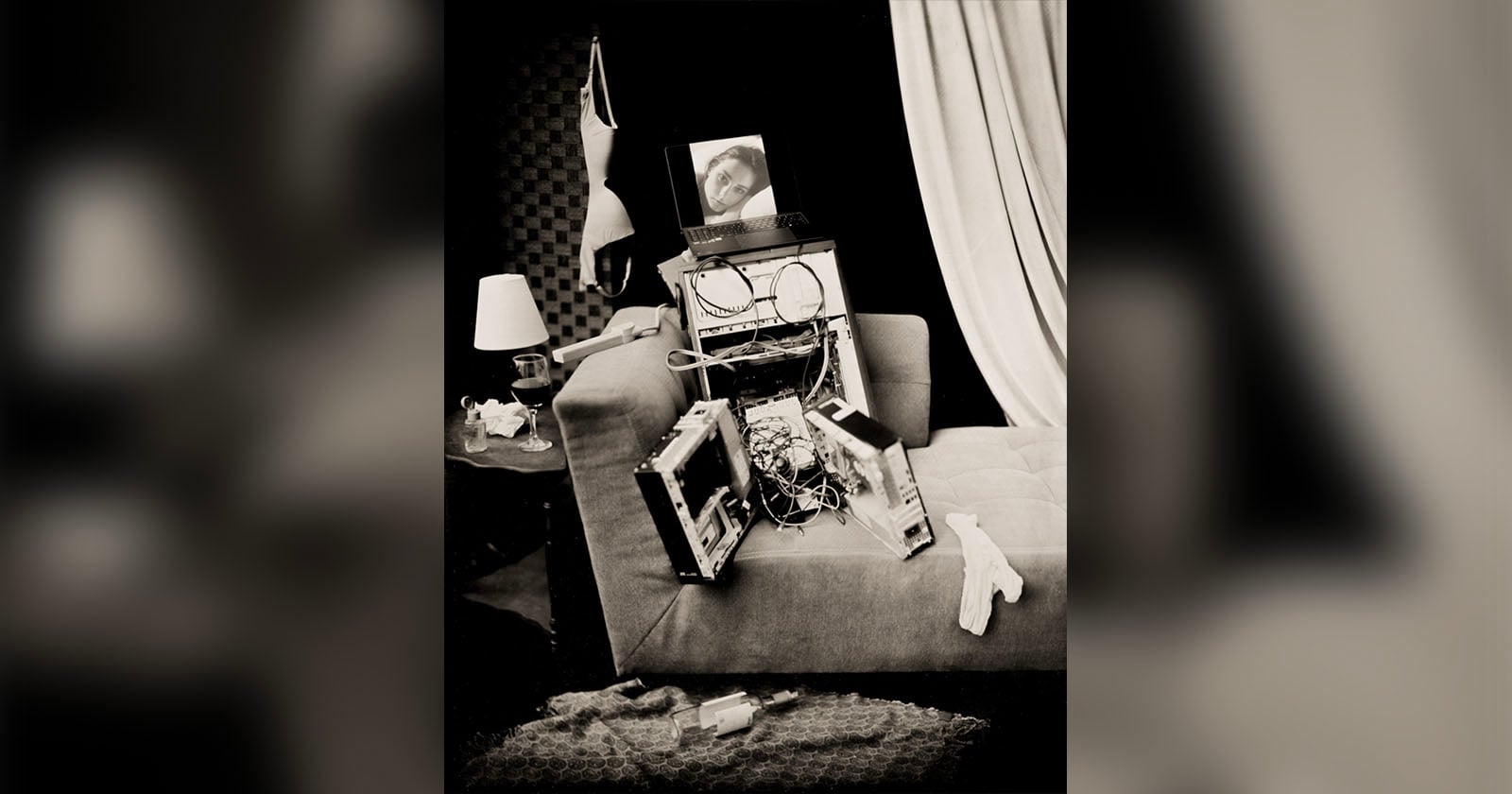
There is something quietly unsettling about the way A.I. chatbots have slipped into the corners of our daily lives, not with a bang, but with the soft hum of a computer left running. The piece we are reacting to, "The Quiet Rise of AI Chatbots: A World Transformed," captures this exact mood: the inundation is real, yet the conversation around it feels strangely muted. We are not here to sound alarm bells or to romanticize the technology. We are here to sit with the discomfort of it, because that is where the honest work begins. The image says it all, a disassembled computer tower resting on a sofa, a laptop face staring out, a bra hanging on the wall. It is intimate, messy, and deeply human, which is precisely why it feels so disorienting to realize that the thing staring back at us is not human at all.
For our readers, who move between creative studios and morning workouts, who curate their lives with intention, this quiet rise is not a distant headline. It is the assistant that writes your emails, the voice that plans your travel, the algorithm that suggests your next read. The point is not that A.I. is evil or that we should unplug entirely. It is that we have stopped noticing the shift, and that lack of noticing is its own kind of transformation. We would tell you this: pay attention to the friction. When a chatbot gets it wrong, when it misses the nuance of your tone or the texture of your day, that is not a flaw to be smoothed over. That is a signal. It is a reminder that the tool is not a companion, no matter how polished its language becomes. The real question is not whether A.I. is good or bad, but whether we are still the ones making the choices, or simply curating the choices we are given.
What we find most compelling about this story is the silence around it. Few people are talking about it, and that silence feels like a choice. We are not suggesting a panic, but we are suggesting a pause. For the creative and the health-conscious alike, the value of a practice lies in its intentionality. The same goes for technology. If we do not set the terms, the terms will be set for us, quietly, efficiently, and with a smile that never quite reaches its eyes. So here is our take, and we mean it as a practical, quotable point: *The most creative act left is paying attention to what you are letting automate your life.* That is not a line for a mood board. It is a daily discipline.
As we move forward, watch for the small moments where you almost ask the bot for comfort, or for a shortcut, or for a version of yourself that is just a little too polished. That is the detail to watch, the moment when the distinction between your voice and its voice begins to blur. Because in that blur, we do not lose the technology. We lose the part of us that is still willing to be imperfect, unfinished, and gloriously human. That is not a dystopian warning. It is just the next question worth asking, out loud, while we still can.