The Sony a7 V Has Been Topped the Charts for 7 of the First 8 Months of 2026
Our take
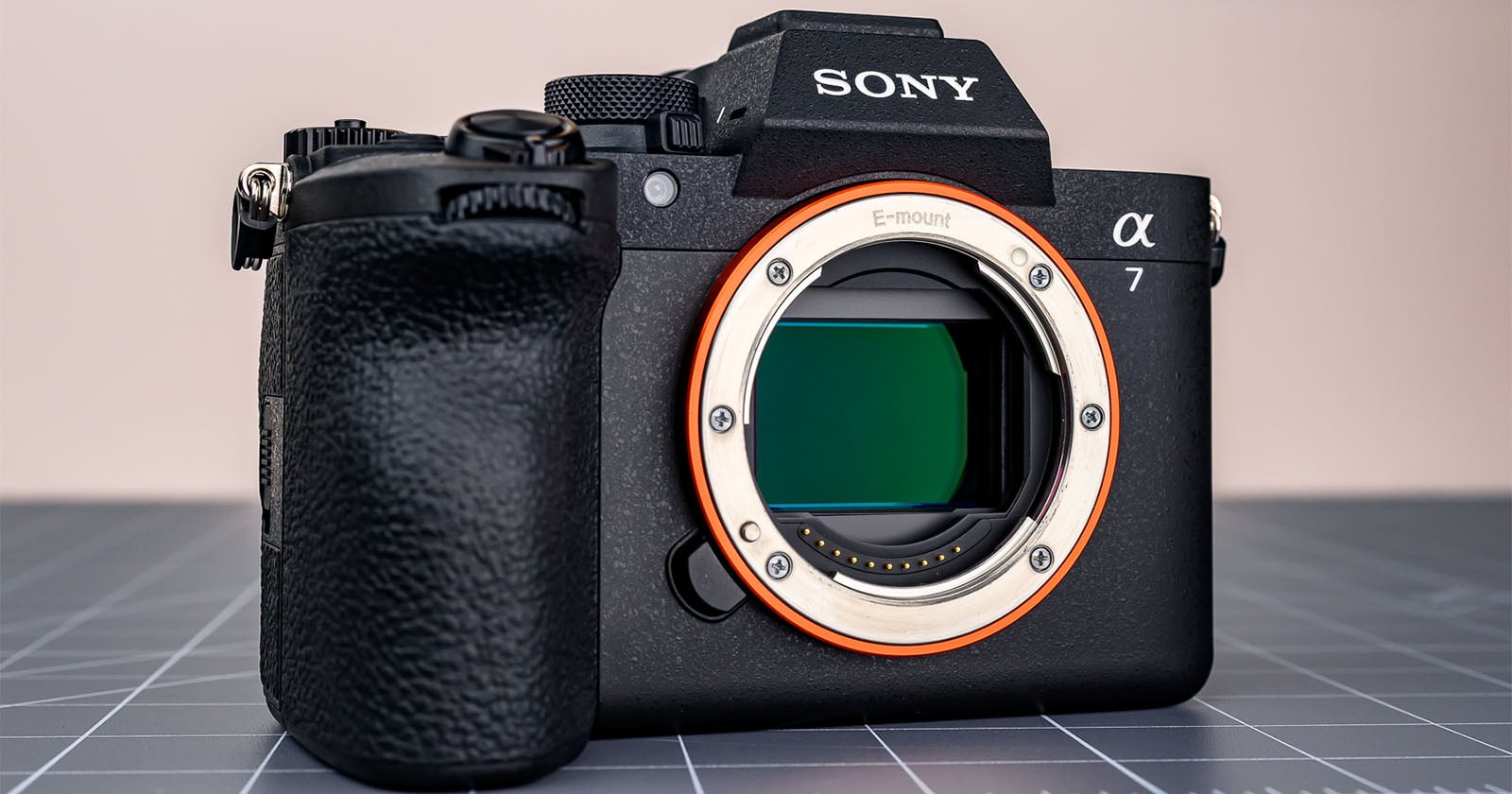
The continued dominance of the Sony a7 V in Japanese sales charts—now for seven out of the first eight months of 2026—isn’t merely a statistic; it’s a testament to Sony’s enduring hold on the mirrorless market and a fascinating reflection of evolving photographic priorities. While the broader camera landscape has seen experimentation with novel form factors and unconventional approaches, as demonstrated by Escura’s recent redesign of their InstantSnap toy camera [Escura’s $60 Instant Print-Inspired Toy Camera Gets a Dramatic Redesign] and even the whimsical Dyson CameraJet toothbrush project [Street Photographer Shoots ‘Weird’ Photos on Dyson’s New CameraJet Toothbrush], the a7 V’s success highlights a persistent demand for refined, professional-grade tools. This isn’t about fleeting trends; it's about a core group of photographers—both established and aspiring—who prioritize performance and reliability above all else. The sustained popularity suggests that, despite the increasing accessibility of smartphone photography and the allure of experimental devices, the dedicated camera market remains robust, particularly for those seeking serious image quality and advanced features.
The a7 V’s appeal isn't solely about raw specifications, though its impressive sensor and autofocus system certainly contribute. It’s about the entire ecosystem Sony has cultivated. A vast selection of lenses, readily available accessories, and a strong community of users create a compelling value proposition. Furthermore, the Japanese market, known for its discerning photographic eye, serves as a bellwether for global trends. The fact that the a7 V continues to resonate so strongly there suggests its strengths—a balance of size, performance, and features—are universally appealing. Consider, too, the enduring interest in mastering photographic fundamentals, even amidst the ease of computational photography; as evidenced by articles like "Beyond Golden Hour: How to Take Better Landscape Photos All Day" [Beyond Golden Hour: How to Take Better Landscape Photos All Day], a desire for control and artistry persists, driving demand for tools that empower photographers to achieve their vision. This isn’t about replacing the smartphone; it's about augmenting it with a tool designed for a specific purpose and a higher level of execution.
The longevity of the a7 V’s reign also speaks to the challenges faced by competitors. While other manufacturers have introduced compelling mirrorless cameras, none have managed to consistently challenge Sony’s position at the top. This isn't necessarily a sign of stagnation in the industry; rather, it underscores the difficulty of displacing an established leader with a loyal following and a deeply integrated product line. The market is becoming increasingly segmented, with cameras catering to specific niches—from vlogging to astrophotography—but the a7 V occupies a sweet spot that appeals to a broad range of professionals and serious enthusiasts. Its versatility allows it to excel in various genres, further solidifying its appeal and contributing to its sustained sales success. The focus on a well-rounded, high-performance camera, rather than chasing a singular, trendy feature, appears to be a winning strategy.
Looking ahead, the question isn’t whether Sony will eventually release a successor to the a7 V, but rather how dramatically that successor will need to evolve to maintain this level of dominance. Will Sony continue to refine existing technologies, or will they introduce a paradigm shift that redefines the mirrorless landscape? The continued popularity of the a7 V provides a stable foundation, but the rapidly evolving technological landscape demands constant innovation. The next generation will need to not only match the a7 V’s capabilities but also anticipate the evolving needs of photographers in an increasingly dynamic visual world—a world where art and technology intertwine ever more closely.
August sales charts from Japan have arrived, telling a very similar story as nearly all of the other months this year: the Sony a7 V is selling extremely well.
Read on the original site
Open the publisher's page for the full experience