The Trick to Make Your Landscape Photography Stand Out
Our take
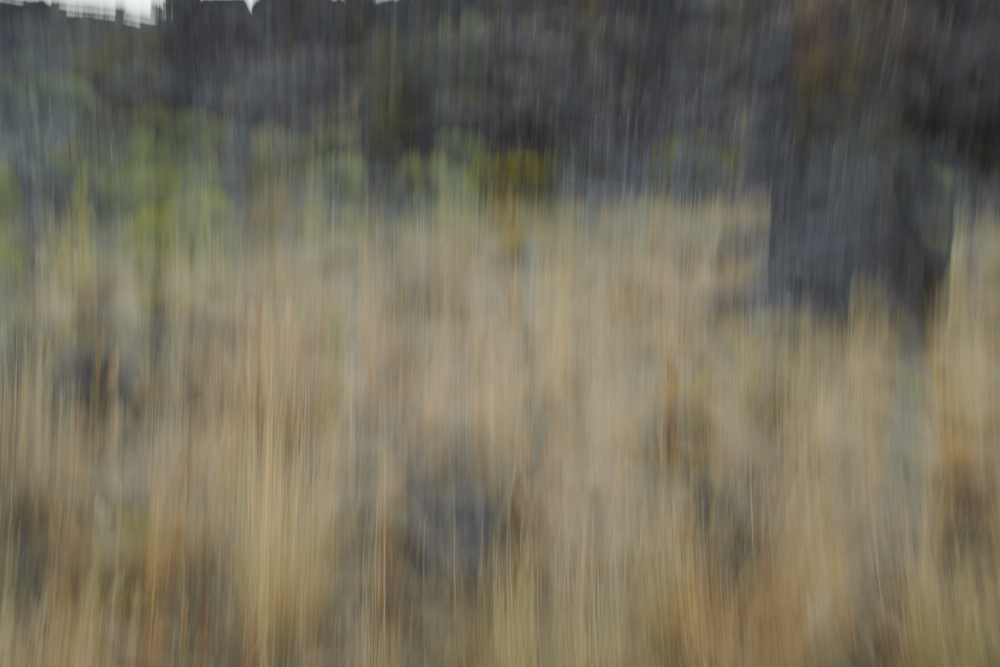
The pursuit of artistry in landscape photography is a timeless endeavor, and the recent discussion around emulating a painterly aesthetic resonates deeply with the core values of our community. It's a sentiment that moves beyond simply capturing a scene; it’s about crafting an experience, a mood, a feeling. The article rightly points out the allure of achieving this effect in-camera, rather than relying solely on post-processing techniques. While digital manipulation offers incredible flexibility, there’s an undeniable authenticity that comes from shaping the image through deliberate choices made at the moment of capture. This aligns with a broader movement within photography – a return to mastery of technique and a desire to move away from the often-sterile, overly-processed look that can permeate social media feeds. We’ve seen this interest reflected in reviews of equipment aimed at enhancing creative control, such as our [Neewer Q120 Flash Review: A Great Flash for Aspiring Photographers], which demonstrates how even seemingly simple tools can significantly impact artistic vision. Similarly, the increasing use of specialized equipment, like we covered in [Trail Camera Captures One of North America’s Most Elusive Mammals: The Ringtail], highlights a fascination with capturing the unexpected and unfiltered beauty of the natural world.
The "Photoshopped look" has become a derogatory term in many creative circles, signifying a lack of genuine artistry and an over-reliance on artificial enhancements. Achieving a painterly effect in-camera—through careful consideration of light, composition, and even using techniques like intentional camera movement—demands a deeper understanding of the medium and a more profound connection to the subject. It requires a photographer to become a conductor of light and form, orchestrating the elements within the frame to create a harmonious and evocative image. Furthermore, the inherent limitations of in-camera techniques often force photographers to be more creative and resourceful, leading to more unique and compelling results. This isn't about rejecting post-processing entirely, but about using it as a subtle enhancement rather than a complete transformation. It’s about preserving the integrity of the original moment while elevating it to a higher level of artistic expression.
The broader significance of this trend extends beyond the technical aspects of photography. It speaks to a yearning for authenticity and a rejection of the increasingly curated and artificial nature of online content. People are craving images that feel real, that resonate with genuine emotion and convey a sense of place. Landscapes, in particular, offer a powerful connection to the natural world—a world that is increasingly threatened by environmental degradation and human encroachment. Capturing these landscapes with integrity and artistry becomes a form of stewardship, a way of honoring their beauty and inspiring others to protect them. The recent news regarding the seizure of drones near World Cup venues, as detailed in [Authorities Seize Over 300 Drones at US World Cup Venues], serves as a reminder of the growing complexities surrounding capturing imagery within sensitive environments, and the importance of responsible photographic practice.
Ultimately, the quest to emulate a painterly aesthetic in landscape photography is a journey of self-discovery and artistic refinement. It's a challenge that encourages photographers to push their boundaries, experiment with new techniques, and cultivate a deeper appreciation for the nuances of light and composition. As technology continues to evolve and new tools become available, the core principles of artistic vision and technical mastery will remain paramount. The question now is: how will artificial intelligence, increasingly capable of mimicking artistic styles, further impact the value and perception of "in-camera" artistry, and will it ultimately enhance or diminish the appreciation for the human touch in landscape photography?
Read on the original site
Open the publisher's page for the full experience