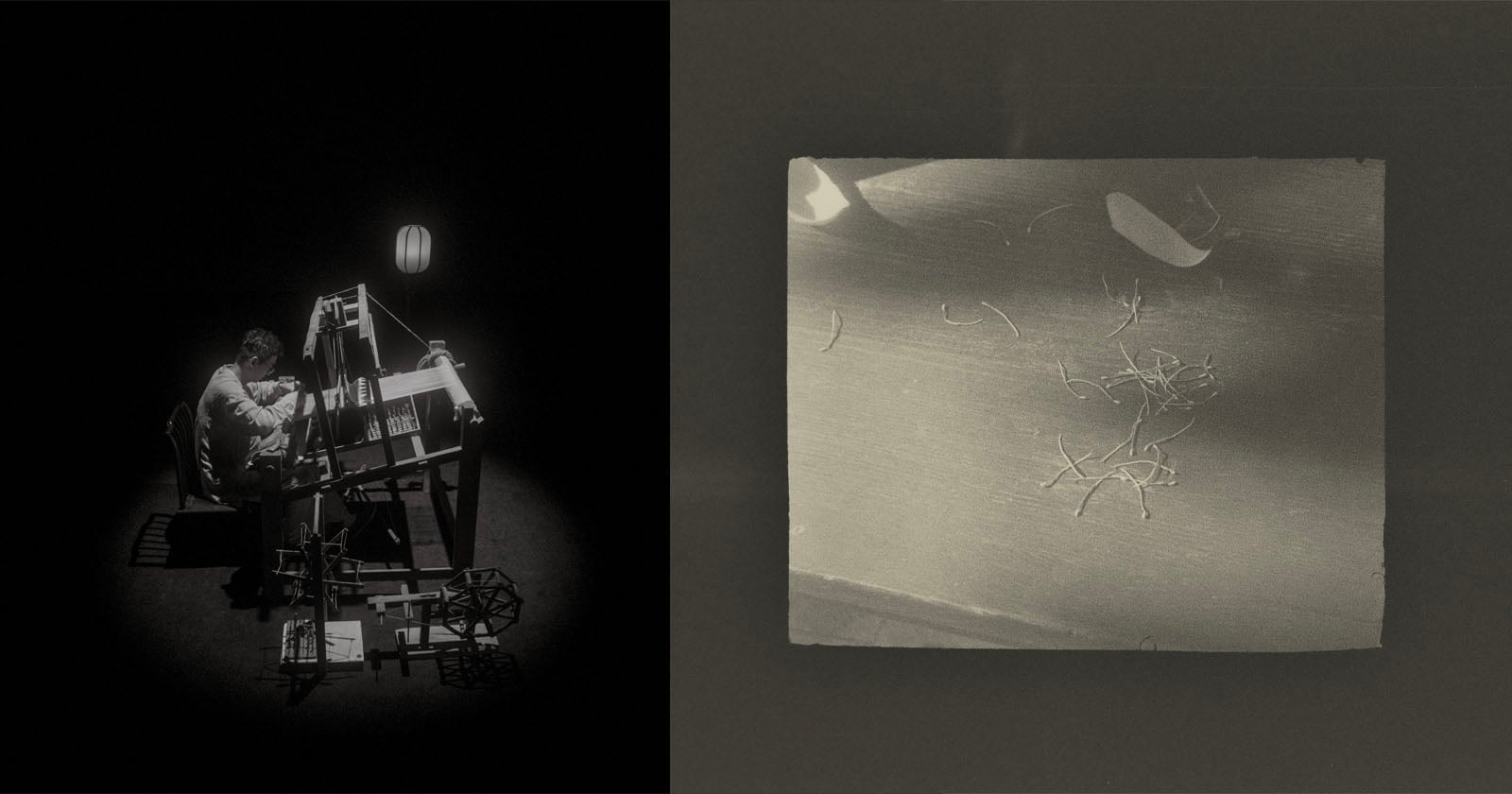
There is a particular quiet that hangs over the image of a weaver's hands meeting threads halfway, and the photograph that captures it does more than document technique. It frames a conversation. The article introduces us to Kesi, pronounced kooh-su, an ancient Chinese silk-weaving art form that most Westerners might recognize without ever having a name for it. That gap between seeing and knowing is precisely where our interest should settle. We are not watching a craft demo; we are witnessing a translator at work, turning a loom's language into something a camera can read. It reminds us that artistry rarely travels alone. It carries its own grammar, and the lens is just the most recent interpreter to pick it up.
This is why we keep coming back to visual storytelling that honors process over product. It is the same impulse that draws us to the Experience Photography's Artistry: The 5 Boro Foto Fest Returns, where the streets become a gallery and the public becomes a participant. Both that festival and this silk series understand that the medium is not the message; the hand, the eye, and the patience are. When a photographer turns the camera on a weaver, they are not just documenting a person. They are documenting a relationship between time and texture, between repetition and revelation. It is a form of respect that our fast-scrolling, swipe-and-forget culture rarely affords. We would tell any reader who asks: slow down. Look at the split-screen image of a dark, spotlighted room and the scattered thread scraps beside it. That contrast is not accidental. It is the whole story compressed into a single frame: discipline on one side, debris on the other, and the beauty of both.
There is also a cautionary note in how we consume these stories. Not every artistic venture ends in grace. We have seen the flip side in A Photographer's Fall: Luxury, Swiftie Dreams, and a $4.6M Loss, where a photographer's choices turned trust into theft. That story is a warning wrapped in a headline, and it sits uncomfortably close to the romance of the loom. Both involve a photographer. Both involve a level of craft. But one uses the camera to honor the world, and the other used it to exploit it. That distinction matters. It is not about medium; it is about intention. When we look at the Kesi weaver, we see intention made visible. When we read about the photographer who scammed a family out of millions, we see intention hollowed out. The lens does not lie, but it does reflect the person holding it.
What we would tell a reader who asks about this article is simple: let the silence of the loom teach you something your phone cannot. The practical takeaway is not to buy silk or book a workshop. It is to notice the next time you see a craft being practiced, whether it is a weaver, a street photographer, or even a friend kneading dough, and ask yourself what dialogue you are having with it. Are you just watching, or are you listening? The artist behind this series clearly listened. The result is a quiet masterpiece that does not need to shout for attention. It simply waits. And in a world that has already moved on to the next post, that patience is the rarest luxury of all. Watch how the light falls on the threads. That is the detail to keep in mind, long after the image fades.