‘The Way We Never Were’ Photo Exhibit Examines the Myth of Postwar America
Our take
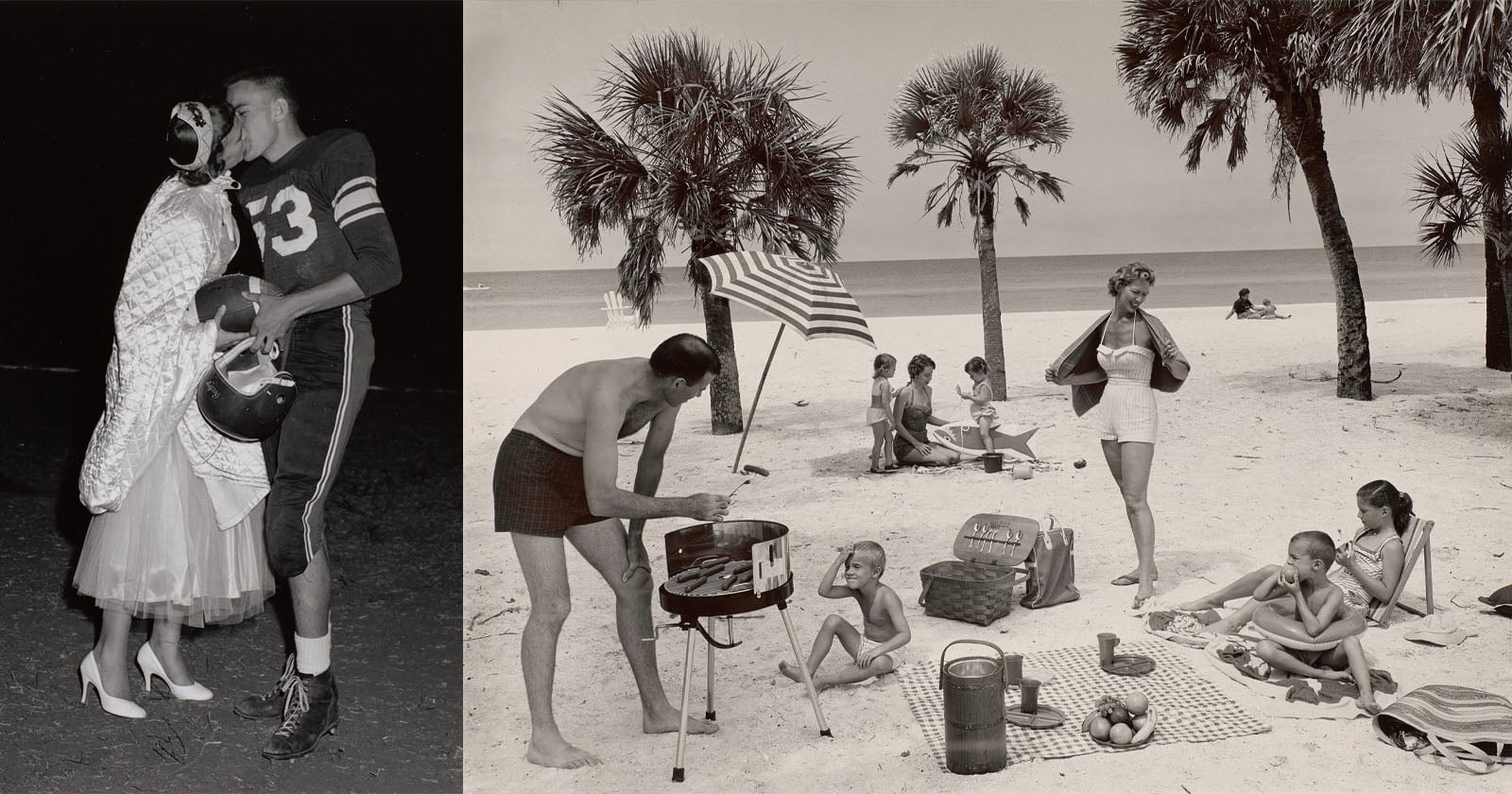
## Beyond the Norman Rockwell Ideal: Why ‘The Way We Never Were’ Resonates
The curated image of postwar America – a land of idyllic suburban homes, smiling families, and boundless optimism – has long served as a cultural touchstone. But what happens when we begin to critically examine the foundations of that narrative? Harvard Art Museums’ new exhibition, “The Way We Never Were,” offers a compelling and necessary challenge to this idealized vision, drawing upon their extensive photographic collection to reveal a more complex and nuanced reality. This isn't simply about debunking a myth; it’s about understanding how that myth was constructed and the ways it obscured the experiences of countless Americans. The exhibition's timing feels particularly poignant given the ongoing re-evaluation of historical narratives and the persistent quest for a more inclusive and honest understanding of our past. It’s a conversation directly relevant to our audience, who appreciate the power of visual storytelling and the importance of examining the layers of meaning embedded within cultural artifacts. For a deeper dive into the complexities of photographic representation, consider exploring The Ethics of Historical Photography – a piece that highlights the responsibility of image-makers and institutions in shaping our understanding of the past. Moreover, examining the work of photographers like Gordon Parks, whose lens consistently captured the realities of Black Americans often excluded from the mainstream narrative, offers a crucial counterpoint to the dominant postwar imagery. You can find a great overview of Parks’ work here.
The brilliance of “The Way We Never Were” lies in its ability to demonstrate that the "American Dream" was never universally accessible. Through a careful selection of photographs – some familiar, others less so – the exhibition exposes the cracks in the façade of postwar prosperity. It highlights the struggles of marginalized communities, the anxieties simmering beneath the surface of conformity, and the realities of a nation grappling with issues of race, class, and gender. Rather than presenting a cynical or dismissive view, the exhibition invites viewers to engage in a thoughtful exploration of the complexities of the era. It suggests that the idealized image of postwar America was a carefully constructed narrative, one that served to reinforce certain values and exclude others. This shift in perspective is vital, especially as we continue to grapple with the legacy of those historical choices. The collection serves as a reminder that photographic documentation, while seemingly objective, is always shaped by the photographer’s perspective, the context of its creation, and the subsequent interpretation by audiences.
The exhibition’s significance extends beyond a simple historical critique. It speaks to a broader cultural moment where institutions are increasingly recognizing the need to confront uncomfortable truths and to diversify the narratives they present. Museums, in particular, have a responsibility to move beyond the traditional role of passive repositories of art and artifacts and to become active participants in shaping public discourse. "The Way We Never Were" exemplifies this shift, demonstrating how a photographic collection can be used to challenge assumptions, spark dialogue, and promote a more nuanced understanding of history. It’s a testament to the power of art to illuminate the hidden corners of the past and to provoke critical reflection on the present. It also speaks to a growing appreciation for authenticity and a rejection of overly polished or idealized representations – values that resonate deeply with our audience’s appreciation for curated, yet genuine, experiences.
Looking ahead, the success of exhibitions like "The Way We Never Were" signals a continued demand for critical engagement with historical narratives. Will we see more institutions actively deconstructing established myths and presenting alternative perspectives? What role will photographic archives play in this process of re-evaluation? Perhaps the most compelling question is this: how can we ensure that the stories of those who were excluded from the dominant narrative of postwar America – and from so many other narratives throughout history – are finally given the space and recognition they deserve? The ongoing exploration of these questions promises to reshape our understanding of the past and to inform our vision of a more equitable future.
Harvard Art Museums has delved into its extensive photographic collection to put on a thought-provoking exhibition titled The Way We Never Were that questions the postwar narrative in the United States.
Read on the original site
Open the publisher's page for the full experience