The Windows 10 Lock Screen Photo is Becoming a Travel Destination
Our take
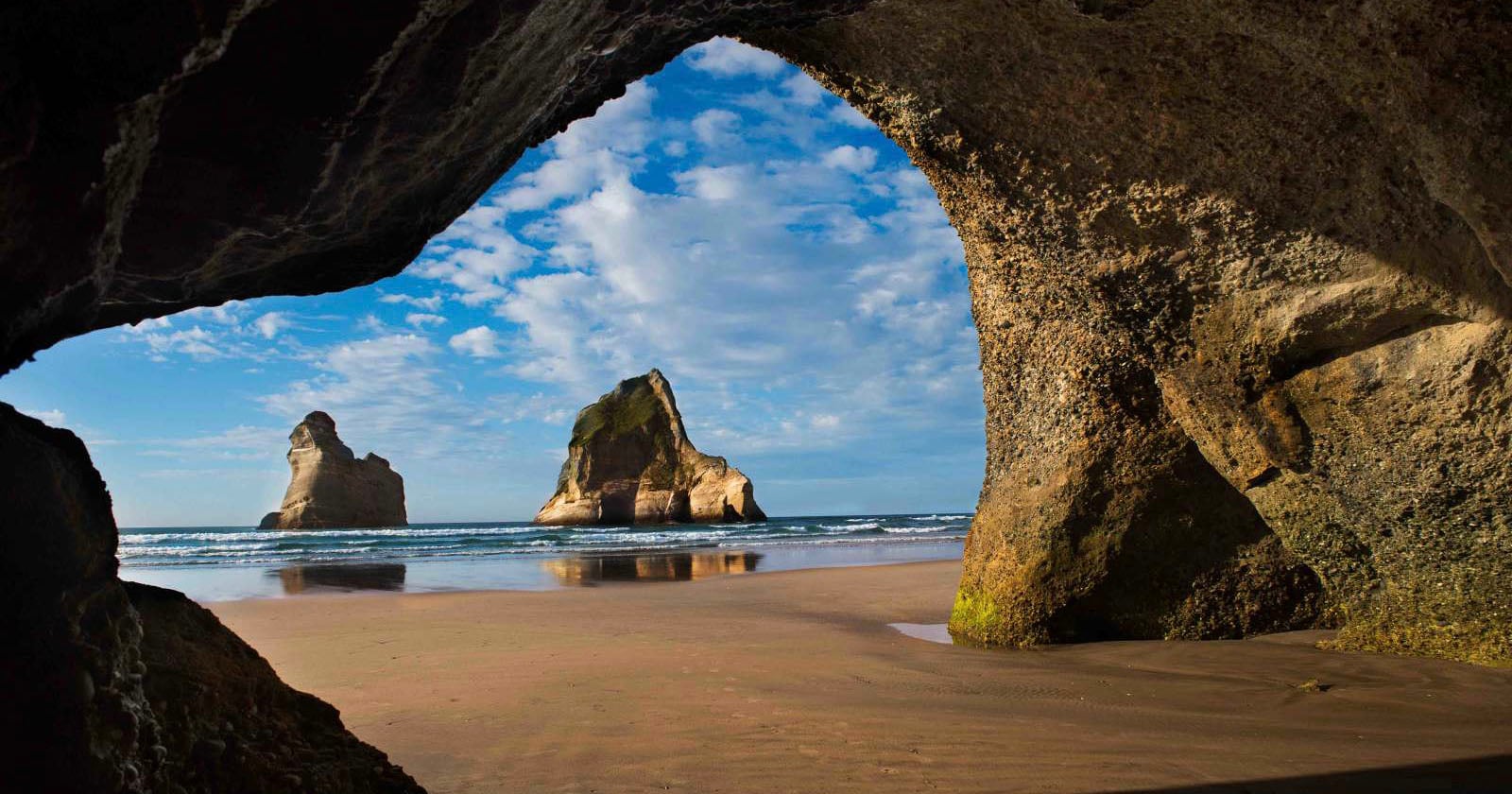
The phenomenon of the Windows 10 lock screen photo transforming into a travel destination speaks volumes about the evolving relationship between photography, digital culture, and our yearning for authentic experience. Steve McCurry’s image, initially intended as a stock photograph for Microsoft, has transcended its commercial origins to become a globally recognized symbol – a visual shorthand for wanderlust and serene beauty. It’s a fascinating case study in accidental virality and the power of a single image to capture a collective imagination. This echoes similar trends we’ve seen before, such as the “Blue Marble” photograph of Earth, which spurred environmental awareness, or the increased tourism to locations featured in Wes Anderson films – as explored in The Geography of Wes Anderson. The sheer scale of Windows' user base amplified the image’s reach, embedding it into the daily routines of millions, fostering a subconscious desire to experience the scene firsthand. The subsequent meme status only solidified its cultural footprint, turning a picturesque landscape into a shared inside joke and further fueling the desire to visit.
The development isn't just about a single photograph driving tourism; it highlights a broader shift in how we consume and interact with imagery. We live in an era of hyper-mediated experiences, where digital representations often shape our perception of reality. People are increasingly seeking to bridge the gap between the screen and the tangible world, chasing the aesthetic promise of carefully curated visuals. The rise of "Instagram tourism" is a prime example of this trend, with destinations often experiencing surges in visitors due to their popularity on social media. This can, of course, bring its own set of challenges, including overtourism and the potential for the original beauty of a location to be diminished by increased foot traffic. Consider, for example, the impact of influencer culture on places like Santorini, discussed in The Dark Side of Instagram Tourism. The Windows 10 photo’s case presents a slightly different dynamic – it's a pre-existing, widely recognized image, not a newly discovered “hidden gem” promoted by social media.
Beyond the immediate impact on the local economy of the Yemeni island of Socotra (where the photograph was taken), this situation raises interesting questions about ownership and representation. While McCurry retains copyright of the image, its widespread dissemination and subsequent reinterpretation by the public have blurred the lines between artistic creation and collective appropriation. The fact that the location itself is relatively remote and faces environmental challenges adds another layer of complexity. Increased tourism could provide much-needed economic support for the local community, but it also carries the risk of disrupting the island’s fragile ecosystem and unique cultural heritage. Responsible tourism practices, coupled with efforts to support sustainable development initiatives, will be crucial to ensuring that the influx of visitors benefits Socotra without compromising its long-term viability. It also prompts a reflection on the role of photographers in documenting and, potentially, influencing the fate of the places they portray. We see a parallel with the ethical considerations photographers face when documenting conflict zones, as detailed in Photography and Conflict.
Ultimately, the Windows 10 lock screen photo’s transformation into a pilgrimage site is a compelling reminder of the enduring power of visual imagery in shaping our desires and experiences. It’s a testament to the serendipitous nature of cultural phenomena and the unexpected ways in which technology can connect us to the physical world. As AI-generated imagery becomes increasingly sophisticated and prevalent, will we see a similar blurring of lines between the virtual and the real, with digitally created landscapes inspiring actual travel and exploration? Or will the human desire for authentic experience ultimately lead us to seek out places that exist beyond the realm of algorithms and pixels?
It's one of the most popular wallpaper photos in the entire world, so much so that it has become a meme. But people are flocking to the real-world location of the Windows 10 lock screen photograph that was actually taken by Steve McCurry.
Read on the original site
Open the publisher's page for the full experience