This Image Led to a Photographer Being Sentenced to 74 Lashes in Iran
Our take
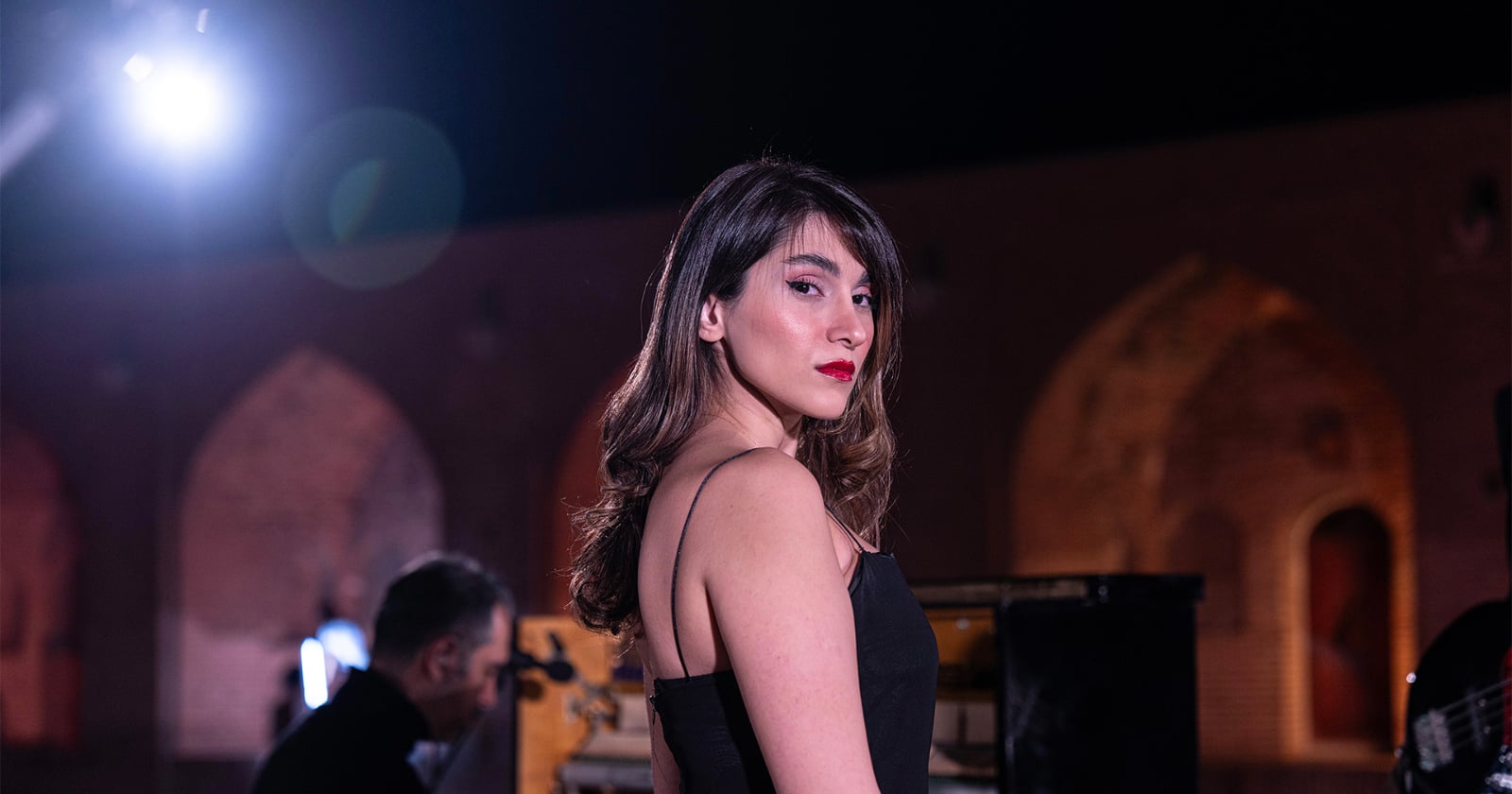
The recent sentencing of an Iranian photographer to 74 lashes, alongside a travel ban and prohibition from artistic activity, for a portrait depicting a singer without a head covering is a chilling reminder of the precarious position of creative expression within restrictive regimes. This isn’t simply a case of artistic disagreement; it’s a blatant suppression of individual liberty and a stark illustration of how deeply ingrained societal and religious norms can dictate artistic boundaries. The photograph itself, a striking and evocative portrait, is arguably secondary to the profound implications of the legal repercussions – a direct attack on the photographer's right to create and share their work. The incident echoes similar struggles faced by artists globally, but the severity of the punishment underscores the particularly challenging environment for creative professionals in Iran. It’s a situation that demands broader awareness and consideration, particularly within the photographic community, prompting us to reflect on the responsibilities and risks inherent in documenting diverse cultures. Considering the wider landscape of conflict photography, as showcased in Dramatic Ukraine War Photo Highlights Destructive Power of FPV Drones, the dangers faced by visual storytellers are increasingly multifaceted and complex.
This case highlights the intersection of art, politics, and personal freedom, forcing us to confront uncomfortable truths about the limitations imposed on creative expression in certain parts of the world. The photograph, seemingly innocuous to many outside of Iran, became a symbol of defiance against established norms, triggering a disproportionate response from the authorities. It’s a testament to the power of a single image to challenge the status quo and the lengths to which governments will go to maintain control. The incident also raises questions about the role of technology and social media in amplifying artistic voices, particularly in contexts where traditional media outlets are heavily censored. Examining the evolving use of technology in photography, such as Adobe’s Project Indigo Adobe’s Project Indigo iPhone Camera App Now Offers Photography Advice, reveals a growing trend towards democratizing the creative process, yet it also underscores the vulnerability of creators when their work falls afoul of restrictive laws. The global recognition afforded to pet photography, as evidenced by the 10 Outstanding Images From the International Pet Photography Awards, demonstrates the widespread appreciation for visual storytelling, making the suppression of this photographer’s work all the more jarring.
The ramifications of this case extend beyond the immediate impact on the photographer and the singer. It sends a chilling message to other artists within Iran and potentially beyond, discouraging them from pushing creative boundaries or challenging societal norms. The act of creating art in such an environment becomes an inherently political statement, laden with risk and potential consequences. While international condemnation is vital, it's crucial to consider practical support for artists facing persecution, whether through legal aid, safe havens, or platforms to showcase their work. The incident underscores the importance of organizations dedicated to protecting artistic freedom and advocating for the rights of creative professionals worldwide. It's a reminder that the pursuit of artistic expression is not always a free and open endeavor, and that vigilance and solidarity are essential to safeguarding this fundamental human right.
Ultimately, this situation compels us to consider the future of artistic expression in increasingly polarized and restrictive environments. Will we see a continued erosion of creative freedom, or will artists find innovative ways to circumvent censorship and continue to challenge the status quo? The Iranian photographer’s plight serves as a stark warning, but also as a call to action – to champion artistic freedom and to support those who dare to create in the face of adversity. What mechanisms can be developed to better protect artists working in unstable or oppressive environments, and how can the global art community collectively amplify their voices and safeguard their right to create?
This striking portrait of an Iranian singer in a black dress, her hair uncovered, has come at a devastating cost for the photographer who captured it -- resulting in a sentence of 74 lashes, a travel ban, and a prohibition on artistic activity.
Read on the original site
Open the publisher's page for the full experience