This is For the Photographer Who Never Understood White Balance
Our take
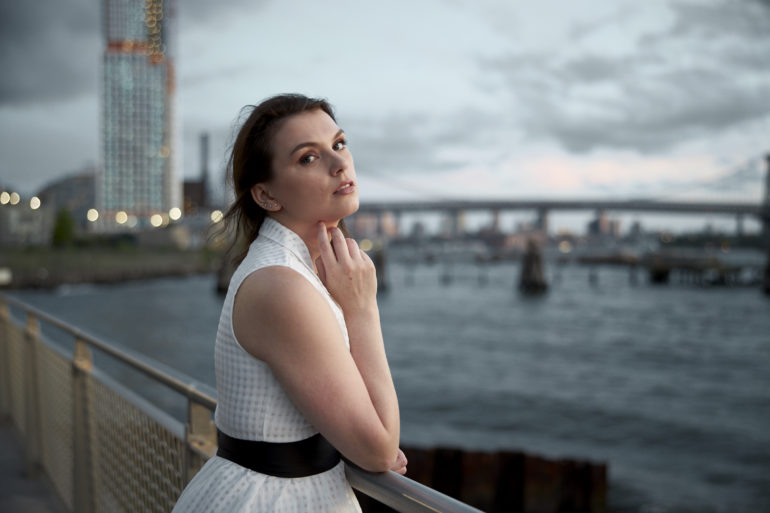
## Our Take: Beyond Auto – Reclaiming White Balance for Creative Vision
The article's central point – that many photographers, despite their experience, often overlook the fundamentals of white balance – resonates deeply. It’s a comforting reminder that even seasoned creatives can benefit from revisiting foundational principles. The ease of modern post-processing tools has, arguably, fostered a certain complacency; we've become accustomed to correcting color casts in software, sometimes at the expense of capturing the initial scene's true essence. This isn’t inherently negative – post-processing is a powerful tool – but relying solely on it for white balance correction can mask a deeper lack of understanding about how light interacts with color and how to leverage that knowledge for artistic effect. We’ve explored this concept of mastering the fundamentals in a previous piece, The Power of Understanding the Exposure Triangle, highlighting how a strong grasp of these basics elevates the entire creative process. Furthermore, understanding white balance ties directly into the broader conversation of color theory, a subject we recently delved into with Decoding Color: A Guide to Emotional Impact, emphasizing how color choices, influenced by accurate white balance, profoundly shape the mood and narrative of an image.
The article rightly suggests that critical thinking is key. Setting white balance to auto essentially relinquishes creative control to the camera, which makes a best guess based on its sensors. While often accurate, this guess might not align with the photographer's intended aesthetic. Consider a portrait shot in warm, golden-hour light; auto white balance might neutralize those beautiful tones, resulting in a flatter, less evocative image. By consciously selecting a Kelvin temperature or a preset like “cloudy” or “shade,” the photographer can intentionally preserve or enhance those warm hues, adding depth and character to the portrait. This isn't about achieving technical perfection; it's about shaping the emotional impact of the image. The ability to manipulate white balance *in-camera* offers a level of control that post-processing simply can’t replicate – the initial capture holds a quality, a certain light, that is often lost in digital adjustments. It's a subtle but significant difference, a shift from reacting to a problem to proactively crafting a vision.
The broader significance here extends beyond technical proficiency; it touches upon the very nature of photography as a creative medium. Photography isn't merely about documenting reality; it’s about interpreting it, shaping it, and conveying a specific perspective. White balance is a crucial element in this interpretive process. By understanding how different white balance settings affect color rendition, photographers can consciously use color to evoke emotions, guide the viewer's eye, and tell a more compelling story. This awareness transforms the photographer from a passive recorder into an active artist. The move away from auto settings isn't just about achieving technically "correct" colors; it's about embracing the power of color as a creative tool. We’ve seen this shift exemplified in the work of many contemporary photographers who utilize unconventional color palettes and lighting to create highly stylized and emotionally resonant images; a mastery of white balance is fundamental to achieving that level of artistic control.
Looking ahead, it’s fascinating to consider how AI-powered cameras might further complicate – or perhaps refine – our understanding of white balance. Will AI eventually be able to accurately predict and adapt to a photographer’s aesthetic preferences, automatically setting white balance to match their artistic vision? Or will the increasing sophistication of computational photography lead to a renewed appreciation for the manual control and deliberate choices that define photographic artistry? The challenge for photographers will be to remain mindful of the fundamentals, even as technology continues to evolve, ensuring that the human element – the creative eye – remains at the heart of the photographic process. Perhaps the next frontier lies in AI-assisted white balance presets, allowing photographers to define and save their unique color signatures, blurring the lines between automation and artistic expression.
Read on the original site
Open the publisher's page for the full experience