This was the World’s Best Flash for Photographers
Our take
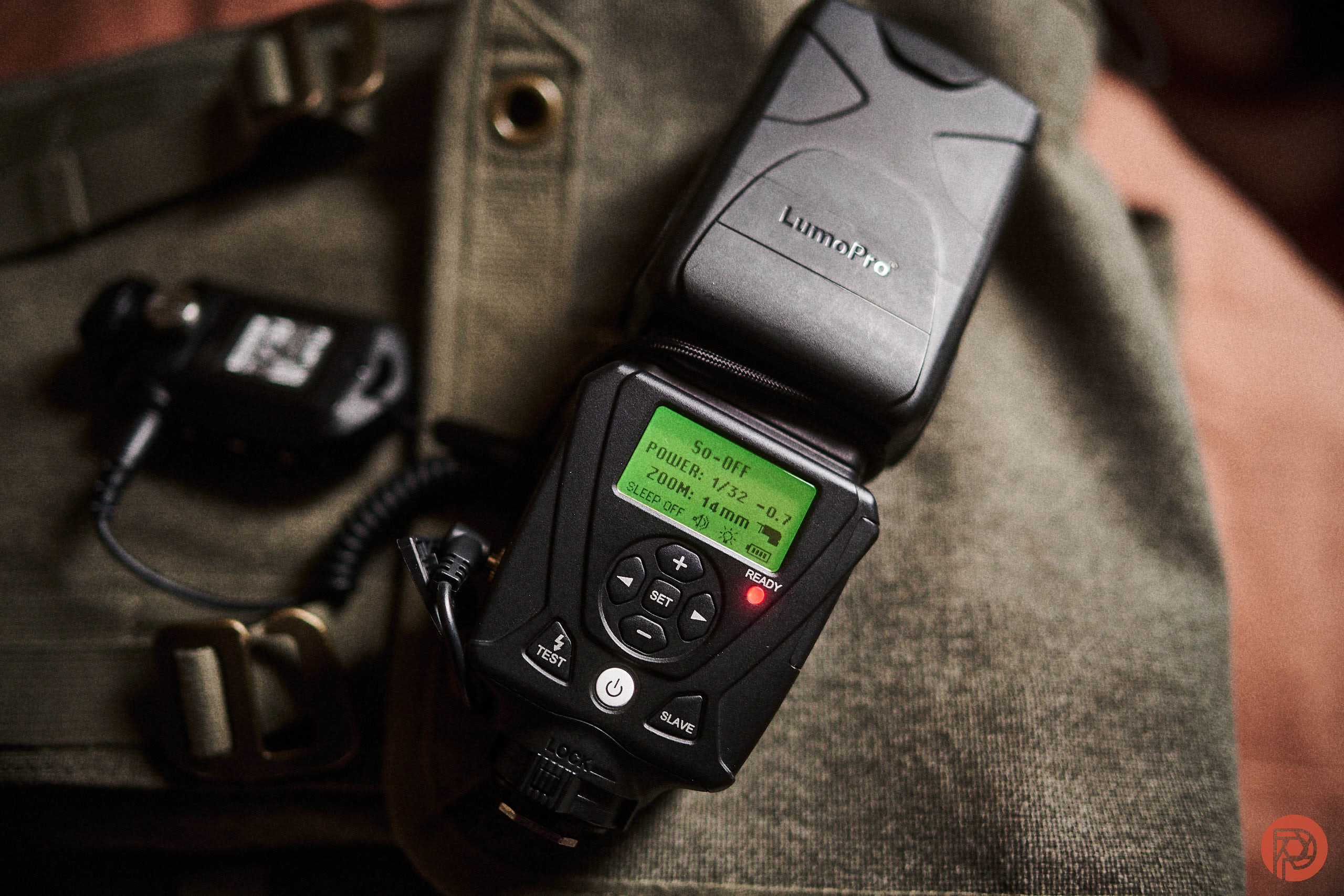
The nostalgia for older photographic equipment, as evidenced by this recent revisiting of the Lumopro LP-180 flash, speaks to a deeper shift in the photographic landscape. It's fascinating to see a photographer reconnect with a tool from 2013, a time when the democratization of photography was already well underway but the allure of manual control and a more deliberate creative process still held significant sway. The author’s appreciation for the LP-180, stemming from that desire for nuanced control, resonates with a segment of photographers who actively resist the increasingly automated nature of modern cameras and editing software. We’ve seen this desire reflected in the growing popularity of analog photography and the meticulous craftsmanship championed by companies like Light Lens Lab, who recently unveiled their 35mm f/2 Apochromatic Light Lens Lab Unveils 35mm f/2 Apochromatic, Its First ‘High Performance Series’ Lens. Both represent a pushback against the ‘point and shoot’ mentality, favoring instead a hands-on approach to image creation. The affordability of older equipment, like the LP-180 found on eBay, further fuels this trend, allowing photographers to experiment with vintage gear without significant investment.
The piece subtly highlights a critical divergence in photographic practice. The author’s observation that many simply “push a shutter” underscores a widening gap between those who view photography as a casual activity and those who approach it as a craft. While smartphone cameras have undoubtedly made photography accessible to everyone, they’ve also arguably diluted the appreciation for the technical skills and artistic choices that define truly compelling imagery. The focus on manual control, once the domain of serious hobbyists and professionals, is now experiencing a resurgence among those seeking a more tangible connection to their photographic process. This echoes the broader discussion around camera technology and user experience, where some prioritize simplicity and automation, while others actively seek features that demand greater engagement and technical understanding. The pursuit of exceptional battery life in cameras, something many consider essential 3 Canon Cameras With Exceptional Battery Life, is a testament to the modern emphasis on ease of use and extended operation, a contrast to the more deliberate, often battery-draining, practices of manual flash photography. Even the creative use of everyday objects to depict endangered wildlife Photographer Builds Miniature Wildlife Scenes Using the Objects That Threaten Endangered Animals demonstrates a deliberate artistic choice, a departure from purely capturing a moment and instead crafting a narrative.
The return to older equipment isn't simply about sentimentality; it’s about rediscovering the nuances of photographic control that are often lost in the pursuit of convenience. The LP-180, while perhaps superseded by more modern flashes, offered a direct connection between the photographer and the light, a tangible influence over the final image. This is a feeling many contemporary photographers, accustomed to automatic settings and post-processing adjustments, may find surprisingly rewarding. The author’s admission that they "don't miss" the era, despite the rediscovery, is a key point. It suggests that the experience was valuable, even if ultimately surpassed by advancements, and that the underlying desire for control remains a powerful motivator. The ease of access to this older technology through platforms like eBay also democratizes this exploration, allowing a wider range of photographers to experiment with techniques and workflows that were once the preserve of professionals.
Ultimately, this seemingly simple reflection on a discontinued flash raises a broader question about the future of photography. As technology continues to evolve at an accelerating pace, will the desire for manual control and deliberate craftsmanship endure? Or will the allure of effortless image creation continue to dominate the landscape? It’s likely that both paths will coexist, catering to different audiences and creative aspirations. The resurgence of interest in older equipment, however, serves as a potent reminder that the tools we use shape not only the images we create but also the way we approach the art of photography itself.
Read on the original site
Open the publisher's page for the full experience