Two executions made news this week, and neither story is about justice. In Tennessee, officials botched one. In Texas, they are planning to televise another. These are not procedural footnotes; they are two different kinds of failure, one of competence, one of conscience, and together they force a question we seem unwilling to answer: What are we actually looking at when we watch a state kill someone?
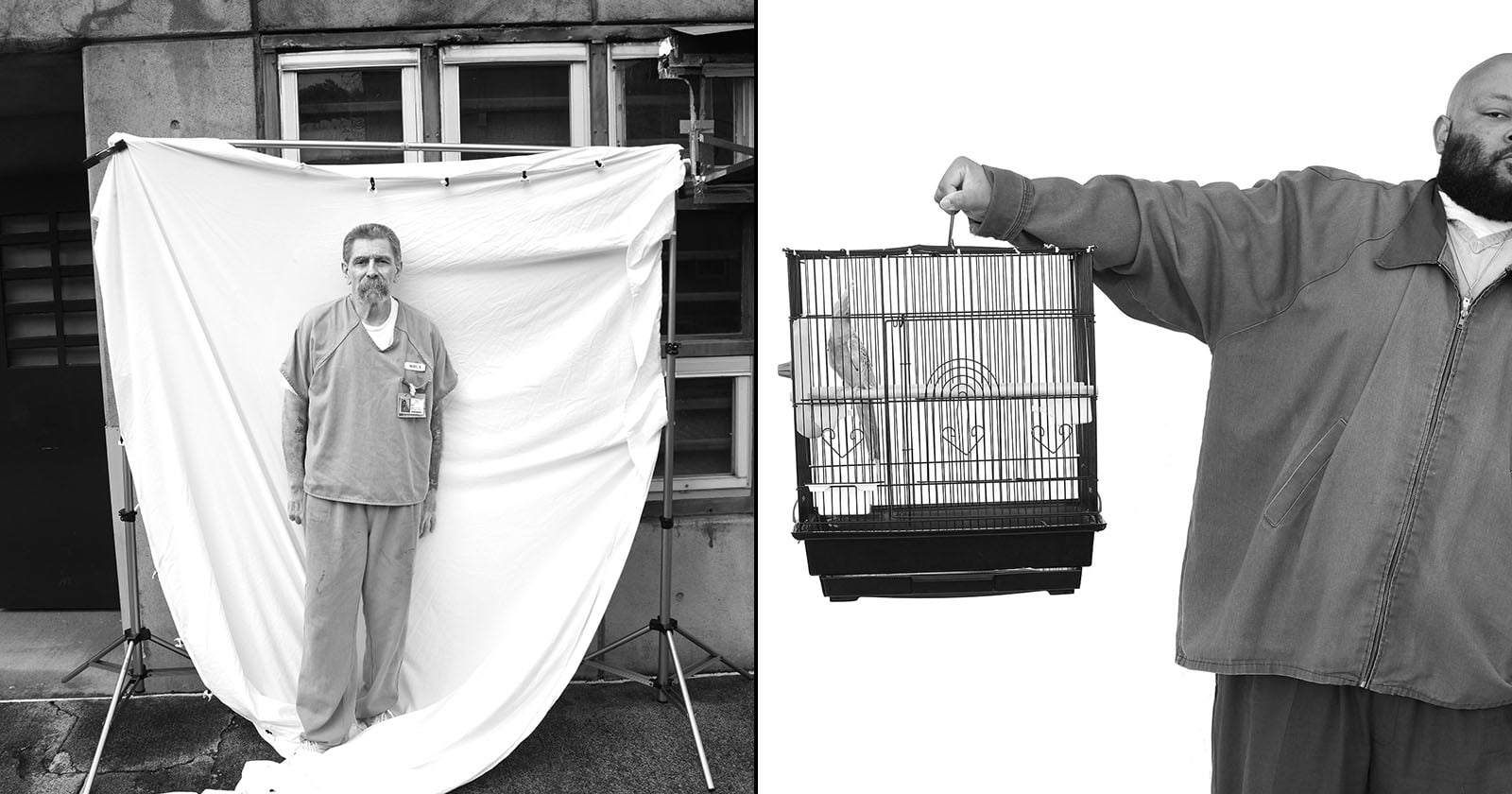
The Tennessee case is a grim reminder that the machinery of capital punishment is not as clean as its proponents pretend. A botched execution is not an anomaly; it is the logical outcome of a system that treats human death as a technical problem to be solved. Meanwhile, Texas is proposing to turn the next one into a broadcast event. This is where the lens becomes dangerous. We recently explored how a photographer spent years capturing the quiet truth of girlhood through a single object each girl chose to bring, and how another photographer found that The Quiet Truth of an Image Has Nothing to Do With Its Size. Those projects remind us that a photograph can reveal intimacy or it can flatten a subject into spectacle. The difference depends on who holds the camera and why. A televised execution does not inform the public; it commodifies a human being's final moments, turning a constitutional process into content.
This is not an abstract debate about policy. For our readers, people who value authenticity, who curate their environments and their media with intention, the question is personal. What are you willing to watch? A culture that films its own executions is a culture that has stopped asking what the act means. Compare this to the photographer who spent six years meeting more than 400 girls across the country, inviting each to bring an object that defined her world. That project, A Curated Portrait of Girlhood: 400 Stories, One Object at a Time, is a study in how to look at people with care. It takes time. It asks for participation. It refuses to reduce a life to a headline. The Texas proposal does the opposite: it reduces a death to a screen.
The specific consequence to watch is not whether the broadcast happens, it likely will, under some legal cover, but what happens to the public that watches it. The first execution broadcast will be a ratings event. The second will be a routine. And once the state's ultimate power becomes a regular part of your feed, you have crossed a line that cannot be uncrossed. A botched execution is a failure of procedure. A televised one is a failure of imagination. We should be asking not whether the cameras should roll, but why we would ever want to see.