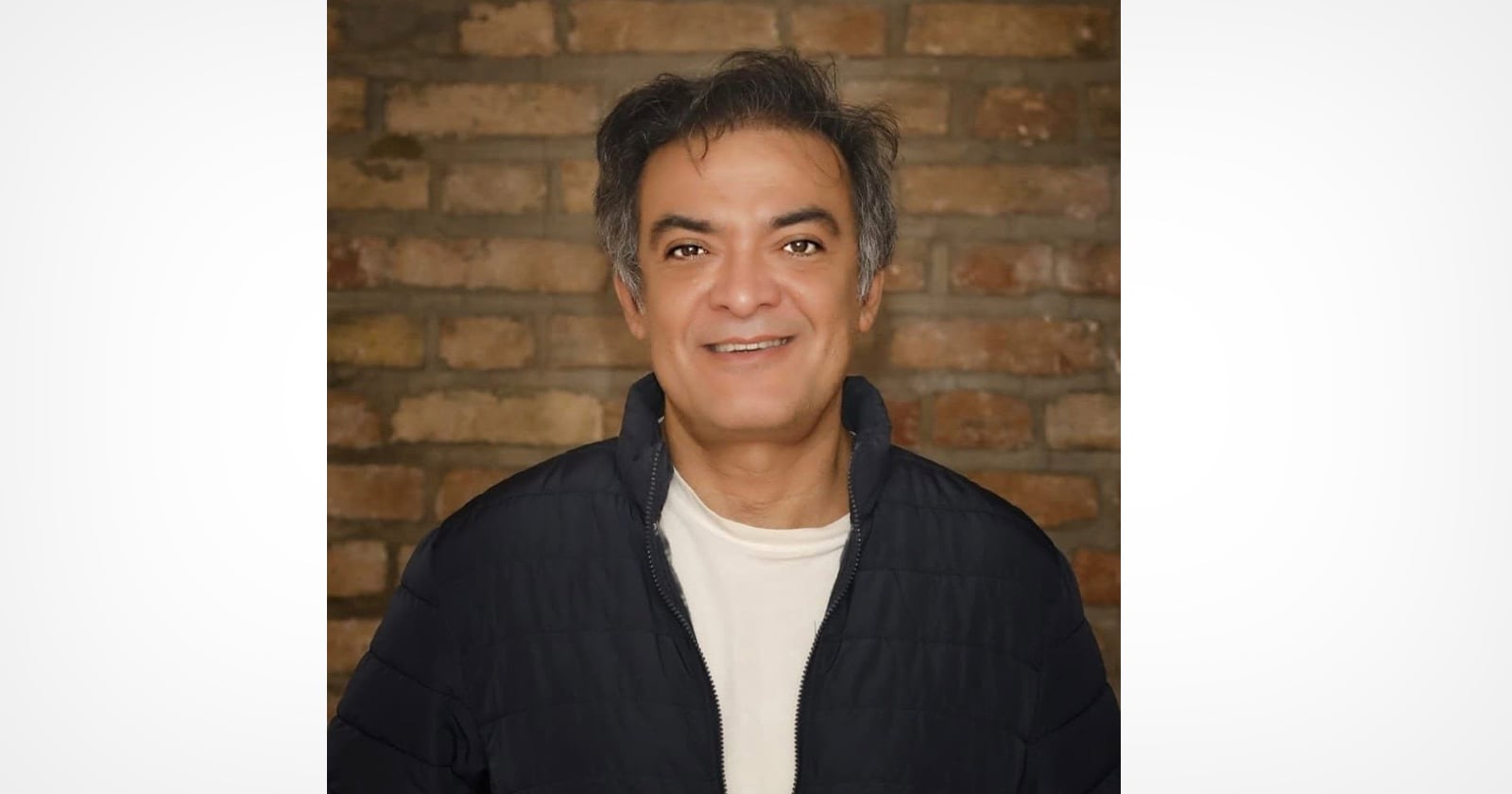
There is no justice in a shutter being silenced. Getty Images is right to demand the release of Majid Saeedi, the veteran Iranian photojournalist who has been detained in Iran for over two months, and we add our voice to that call without hesitation. A photographer behind bars is not a political chess piece; it is a direct assault on the very idea of witness, of documentation, of the visual record that shapes how we understand our world. For our readers, who appreciate the crafted image, who know that a frame can hold truth as powerfully as any headline, this is not an abstract cause. It is a reminder that the lens is fragile, and the hand that holds it is braver than most of us will ever be.
The irony stings when we consider how casually we now treat image-making. Just days ago, we explored how From Knives Out to your pocket: a cinematic lens now fits in one hand, celebrating the democratization of high-end visual storytelling. Meanwhile, Canva's new AI model weaves imagination from design, not photographs, promising a future where pictures can be conjured from pure concept. These are thrilling developments, tools that put artistry into more hands than ever. But they also risk lulling us into forgetting that the most essential photographs are not generated, not composed from templates, but captured by someone who stood where the event happened. Majid Saeedi stood there, and now he cannot stand anywhere freely. His detention is a brutal counterpoint to our era of effortless image creation: the one image we cannot generate is the one he might have taken tomorrow.
What does this mean for you, practically? It means that the curated world we love, the aspirational feeds, the stunning editorial spreads, the raw documentary frames that move us, rests on the safety of those who make it. Getty Images, a company we recently covered as it embarks on a curated path to restructure through bankruptcy proceedings, is using its platform to fight for a contributor. That is not just corporate responsibility; it is a recognition that their entire archive, and by extension the visual culture we consume, depends on photographers being able to work without fear. If we accept the detention of a photojournalist as background noise, we accept that the next crisis, the next protest, the next moment that needs to be seen, will go unrecorded. The image you do not see is the one that matters most.
The specific detail to watch now is how the industry responds beyond Getty. Will other agencies, publishers, and the photographers themselves organize a coordinated push? Or will this become another name lost to a news cycle, filed away while the shutter stays locked? Majid Saeedi's work has documented war, displacement, and resilience for decades. He has given us the images we needed to see. The least we can do is demand that the world sees him, not as a headline, but as a man who deserves to walk free.