Tim Cook’s Three Biggest Successes As Apple CEO
Our take
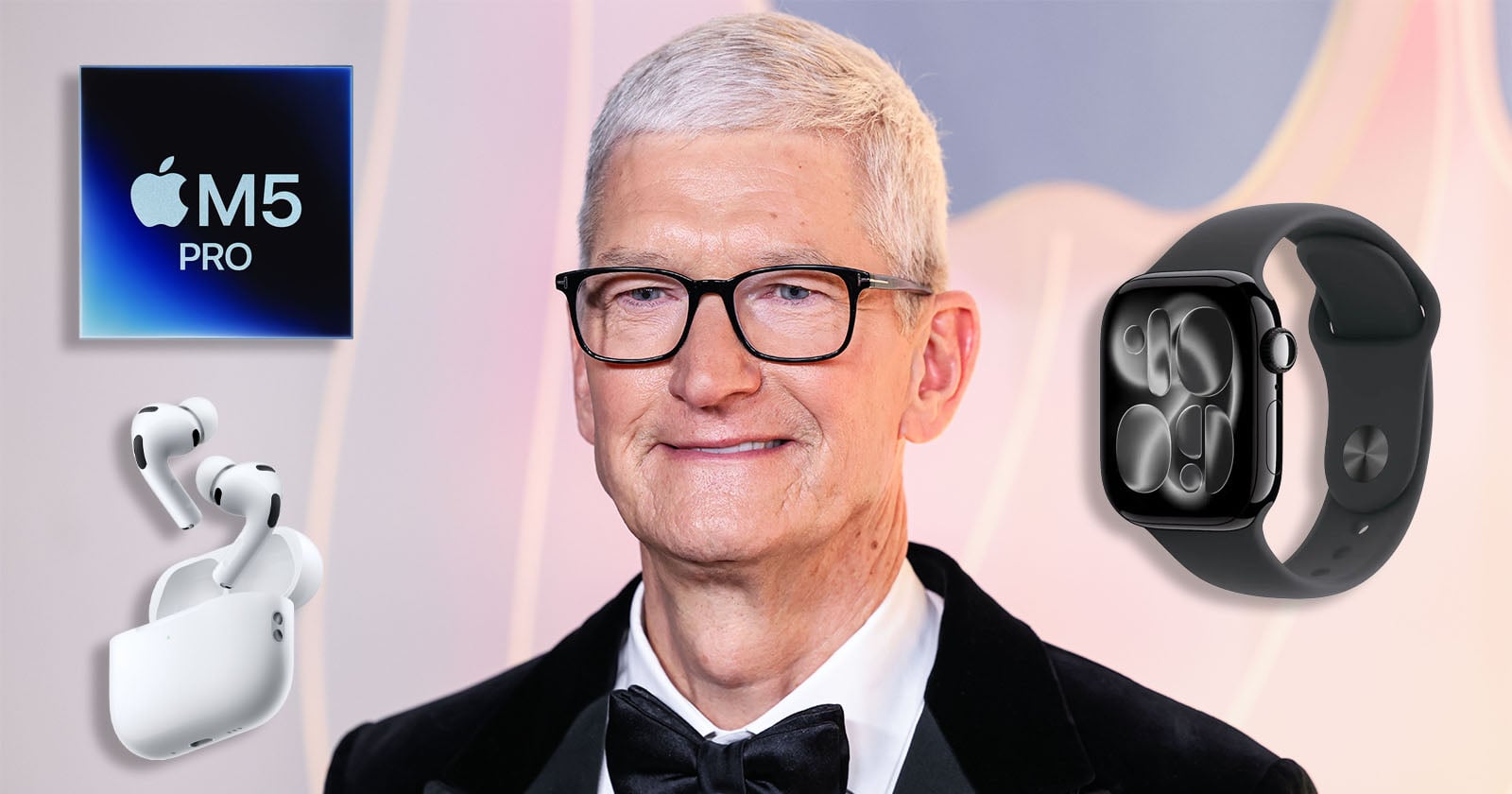
The transition of leadership at Apple, with Tim Cook passing the baton to John Ternus, marks a significant moment not just for the tech giant, but for the entire landscape of innovation and consumer technology. Cook’s fifteen-year reign oversaw a period of unprecedented growth, transforming Apple from a $347 billion company to a staggering $4.6 trillion valuation – a testament to his steady hand and strategic vision. While succeeding the legendary Steve Jobs is a daunting task in itself, Cook navigated a complex era of evolving markets, increased regulatory scrutiny, and fierce competition, all while maintaining Apple’s premium brand image and fiercely loyal customer base. It’s a legacy built on operational excellence and a shrewd understanding of global supply chains, areas where Jobs' focus was less pronounced. Understanding this shift requires revisiting previous analyses of Apple's supply chain resilience, such as Apple's Supply Chain: A Study in Efficiency and Risk, and acknowledging the inherent challenges of maintaining such a vast and intricate network. The sheer scale of Apple’s success under Cook necessitates a broader examination of the leadership philosophies that drive these monumental shifts in corporate power.
Cook’s accomplishments are often categorized into three key areas, as highlighted in the recent article: operational efficiency, diversification beyond the iPhone, and a focus on services. The first is arguably his most enduring legacy. Cook’s background in operations allowed him to streamline Apple's supply chain, optimizing production and distribution in a way that Jobs, with his design-centric focus, hadn’t prioritized. This efficiency translated directly to increased profitability and allowed Apple to weather economic storms and geopolitical uncertainties with remarkable resilience. The second achievement, diversifying beyond the iPhone, is equally critical. While the iPhone remains a cornerstone of Apple's business, Cook recognized the need to cultivate new revenue streams. The success of the Apple Watch, AirPods, and Apple TV, alongside the burgeoning services sector (Apple Music, iCloud, Apple Pay), demonstrates a strategic pivot towards a more sustainable and diversified business model. This diversification is explored in detail in The Evolution of Apple's Business Model, showing the deliberate moves Cook made to build a more resilient ecosystem. The emphasis on services, in particular, represents a shift from hardware sales to recurring revenue, a model increasingly favored by tech companies.
However, it's crucial to acknowledge that Cook’s tenure wasn’t without its criticisms. Some argue that Apple under Cook lacked the disruptive innovation that characterized the Jobs era, opting instead for incremental improvements and refinements. While the company continued to release impressive products, the paradigm-shifting breakthroughs that defined the early 2000s were arguably less frequent. Furthermore, Apple faced increasing scrutiny regarding its App Store policies and its impact on smaller developers. These issues, alongside concerns about labor practices within Apple’s supply chain, have prompted calls for greater transparency and accountability. Nevertheless, the undeniable financial success and the expansion of Apple’s ecosystem solidify Cook’s place as a transformative leader. Understanding the nuances of Apple’s evolving relationship with developers is essential to grasping the full picture, as detailed in Apple and Developers: A Complex Relationship. These complexities underscore the challenges of balancing innovation, profitability, and ethical considerations in the modern tech landscape.
Looking ahead, the appointment of John Ternus, a long-time Apple executive with a strong background in hardware engineering, signals a potential return to a greater emphasis on product innovation. Will Ternus prioritize bold new product categories or focus on refining existing ones? The success of Apple’s AR/VR efforts, and its ability to navigate the increasingly competitive AI landscape, will be key indicators of Ternus’s leadership and Apple’s future direction. The question remains: can Ternus recapture the disruptive spirit of the Jobs era while maintaining the operational efficiency and diversified revenue streams that Cook so skillfully cultivated? Only time will tell, but the transition marks a pivotal moment in the ongoing evolution of one of the world’s most influential companies.
Today, Tim Cook officially hands the reins at Apple over to John Ternus. During Cook's 15-year tenure as Apple's chief executive officer, Apple went from a $347 billion company to a $4.6 trillion one, a nearly 13.3 times increase.
Read on the original site
Open the publisher's page for the full experience