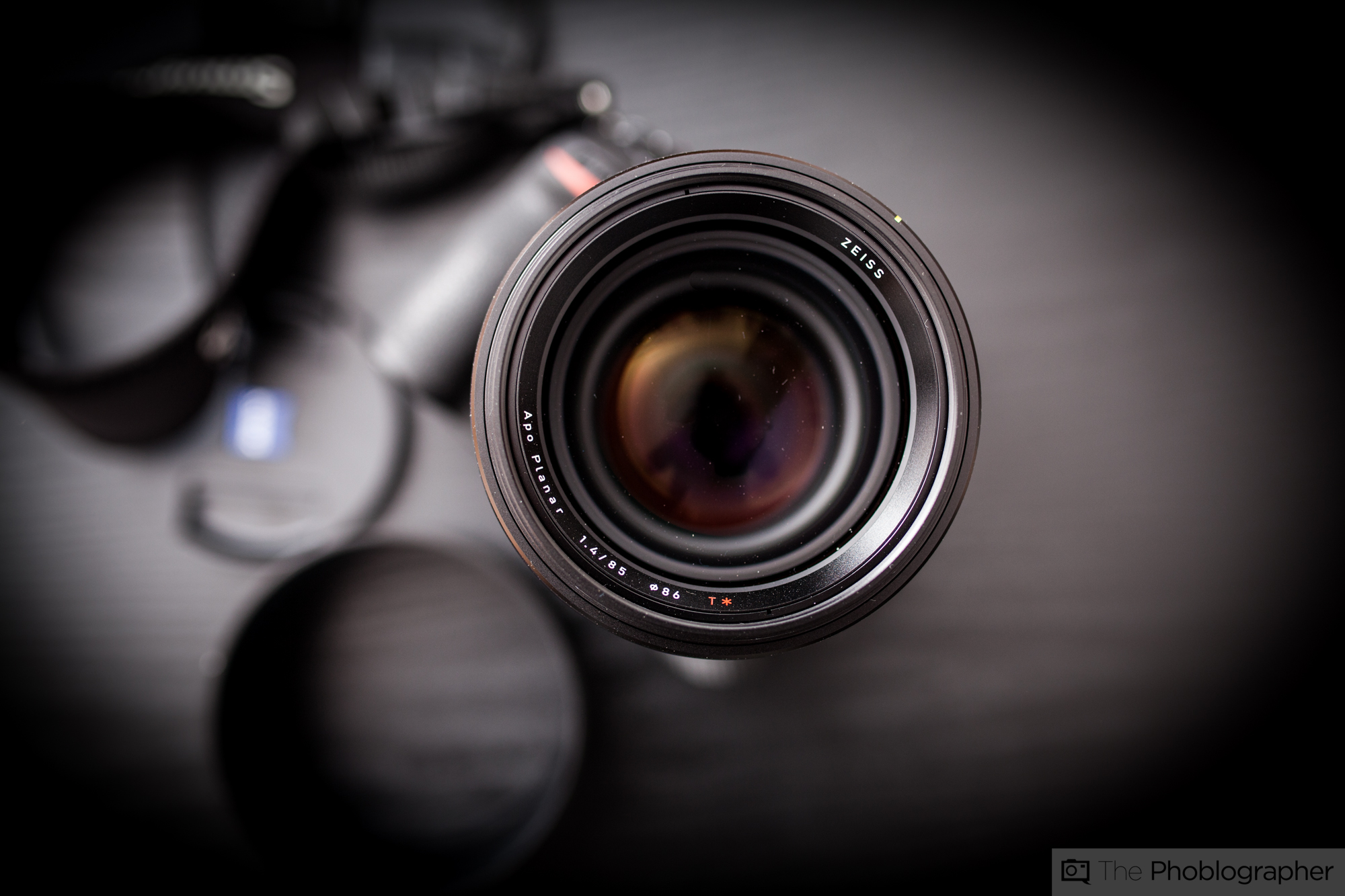
There is something quietly devastating about a photographer admitting, twelve years on, that a lens they once loved still makes better images than its modern replacement. That is exactly what the reviewer behind the Otus 85mm retrospective has done. In 2014, the original Zeiss Otus 85mm f1.4 was a beast, heavy, manual-focus, unforgiving. Yet the images it produced have become reference points in the author's archive. By contrast, the 2026 Otus ML version, reviewed earlier this year, was described as "stale" and "lacking imagination." It is a rare and honest confession, and one that cuts against the relentless drumbeat of newer-is-better that defines most gear commentary.
For our readers, creative collaborators who value artistry as much as function, this story resonates beyond lens specs. It is a reminder that the tools we choose are not just instruments of capture; they are partners in a visual dialogue. The original Otus was difficult. It demanded patience, precise focus, and a willingness to work with its heft. But difficulty, when it yields something beautiful, becomes part of the craft. The newer version, presumably smoother and more technically refined, apparently lost that friction. And without friction, the images felt generic. This is the same lesson that applies to a curated wardrobe, a fitness routine, or a skincare ritual: the most memorable results often come from tools that ask something of you.
What does this mean for a reader considering the Otus 85mm today? If you can find a clean copy of the 2014 original, that is the one to pursue. Not because it is objectively better on a test chart, but because it has a soul that the newer version lacks. The reviewer still uses images from that lens as references, a testament not to nostalgia, but to enduring quality. In practical terms, this lens remains a viable, even superior, choice for portrait and editorial work where character matters more than autofocus speed or corner sharpness. It is heavy, yes, and manual focus only. But if you are the kind of person who treasures a well-worn leather jacket or a vintage film camera, you already understand the trade-off.
The open question, then, is whether Zeiss will ever recapture that spark, or if the original Otus 85mm will stand as a singular peak in the company's lens lineage. For now, the concrete takeaway is this: do not let the allure of a new release erase the memory of a great one. If you already own the 2014 Otus, hold onto it. If you are shopping for one, seek it out. The best tool for your vision may not be the newest one on the shelf. It might be the one that has been waiting, quietly, to make something beautiful again.