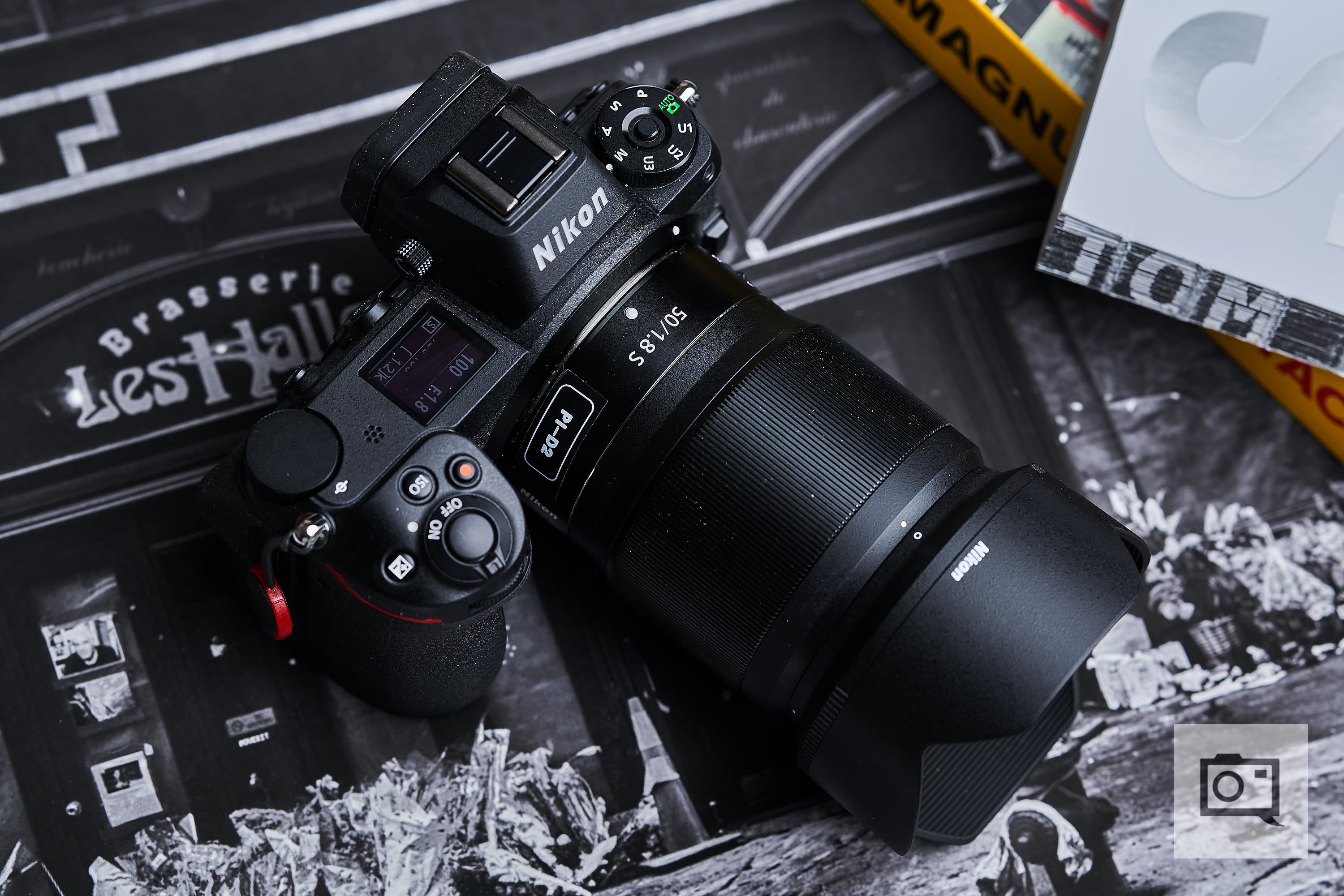
There's a quiet confidence in a tool that refuses to age, and the Nikon 50mm f/1.8 embodies that spirit. When Nikon pivoted to mirrorless with its Z series, the industry braced for growing pains, yet what arrived was nothing short of a creative renaissance. This lens, launched in 2019, sits at the heart of that moment. It's not the flashiest piece of glass, nor the most technically astonishing on paper, but it holds a certain gravitas that feels increasingly rare. For street, portraits, weddings, events, and even still life, the nifty-fifty remains a versatile companion. But here's the honest question: in an era where new lenses arrive monthly, does this aging optic still deserve a place in your bag? Our answer is an unapologetic yes, though the reasoning goes deeper than nostalgia.
What makes this lens remarkable isn't just its optical performance, which remains impressive, but the philosophy it represents. It's a reminder that artistry isn't about chasing specs; it's about consistency and trust. For our readers who are balancing creative passion with practical needs, this is a tool that asks for little yet gives generously. It's bright enough for low-light gatherings, sharp enough for editorial work, and compact enough to carry without a second thought. We've seen photographers fall into the trap of overcomplicating their kits, but there's a certain liberation in relying on a single, dependable focal length. It forces you to move, to compose, to commit. The lens doesn't do the work for you; it simply gets out of your way. That's not a limitation, it's a gift. If you're weighing whether to invest in this classic alongside your Z body, consider how much of your craft is built on instinct versus gear. This lens rewards instinct.
We'd tell any reader on the fence to think about their own creative rhythm. Are you someone who thrives on spontaneity and clean, honest images? Then this is your partner. The 50mm perspective is forgiving enough for everyday moments yet capable of producing striking portraits with that creamy, isolated background that feels so intentional. It's not about being the sharpest or the fastest; it's about being reliable when the moment matters. For weddings and events, where missing a beat isn't an option, this lens has proven its mettle time and again. And for still life, its ability to render texture and depth with a gentle, organic quality is something we keep coming back to. It's a lens that doesn't shout, yet its work speaks volumes. That's the kind of quiet excellence we think our audience craves.
So, what's the concrete takeaway here? The Nikon 50mm f/1.8 isn't just a good lens; it's a statement that some tools are built to last beyond trends. If you're building a mirrorless kit and feel the pressure to buy the latest and greatest, pause. Ask yourself if you're chasing novelty or creating with purpose. This optic will still be producing gorgeous images years from now, and that's a rare thing in a fast-moving industry. For us, it's a keeper, not because it's perfect, but because it's honest. And in a world full of overhyped promises, honesty is the most aspirational quality we can invest in. Watch for how it handles the next generation of Z bodies; if its character holds, it'll remain a benchmark for what a prime lens should be.