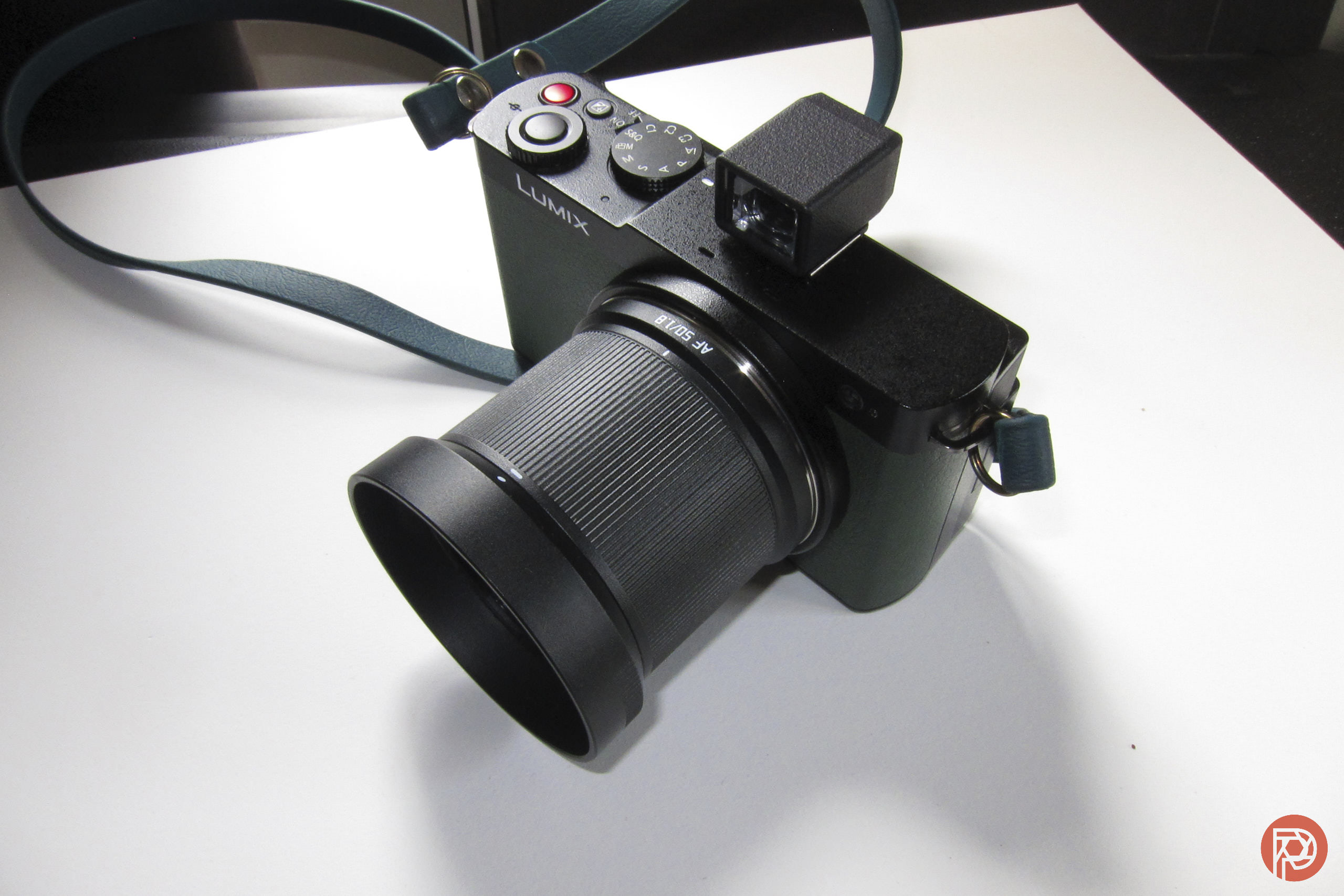
There is a particular kind of magic in holding a lens that feels like a memory. When the TTArtisan 50mm f1.8 Neo was announced in early July, we noted how it channels the spirit of Canon's older DSLR nifty fifty, the one we reviewed back in 2011, with echoes of the 2015 iteration and even a nod to the latest model. It is an ode to a simpler time in photography, one where the glass had character before everything became clinically sharp. We appreciate that Chinese manufacturers like TTArtisan are crafting these modern interpretations, paying homage to the tools we once loved. It is a creative courtship that feels personal, especially when you consider the legal battles over lens mounts, like the recent A Creative Court Win Cracks the Door to Canon's Closed Lens Mount we covered, where the industry's giants are fighting to keep their systems closed.
But here is where the romance meets the pavement. The reality of the world's economy creeps into the design, and suddenly, something feels a bit off. You see it in the build, the materials, the little compromises that separate a tribute from a replica. We love the idea of affordable glass that lets us chase that Finding Joy on the Streets, One Frame After Fashion vibe without remortgaging our homes. Yet, there is a tension between the aspiration for that classic look and the practical need to keep costs down. For our readers, the question is not whether this lens is perfect, but whether it delivers the soul of those older optics in a way that feels authentic, not just nostalgic. We would tell you to look past the specs and handle it, feel the focus ring, and see if it makes you want to shoot.
The truth is, this is a balancing act between artistry and accessibility. We are drawn to the curated, immersive experience of using a lens that has a story, but we also need it to function in the real world. The Neo is not trying to be a technical marvel; it is trying to be a companion. In that sense, it succeeds if you let it. But we caution you against expecting the same build quality or edge-to-edge sharpness as the premium glass. This is a lens for those who value character over perfection, who see the flaws as part of the charm. Our take is simple: embrace the nostalgia, but go in with open eyes. What you lose in precision, you gain in a certain warmth that is hard to find elsewhere.
So, what should you do? If you are a photographer who loves the idea of a modern classic, this is a low-risk experiment. But do not abandon your high-end primes just yet. Instead, think of this as a creative tool for days when you want to slow down and remember why you fell in love with photography. The real takeaway here is that value is not just about price; it is about the experience. And in an era where everything is becoming sterile and automated, a lens that feels like a memory is a welcome reprieve. Watch how it handles the highlights and the bokeh wide open, because that is where the true personality lives. The question is not if you need it, but whether you are willing to trade a little polish for a lot of soul.