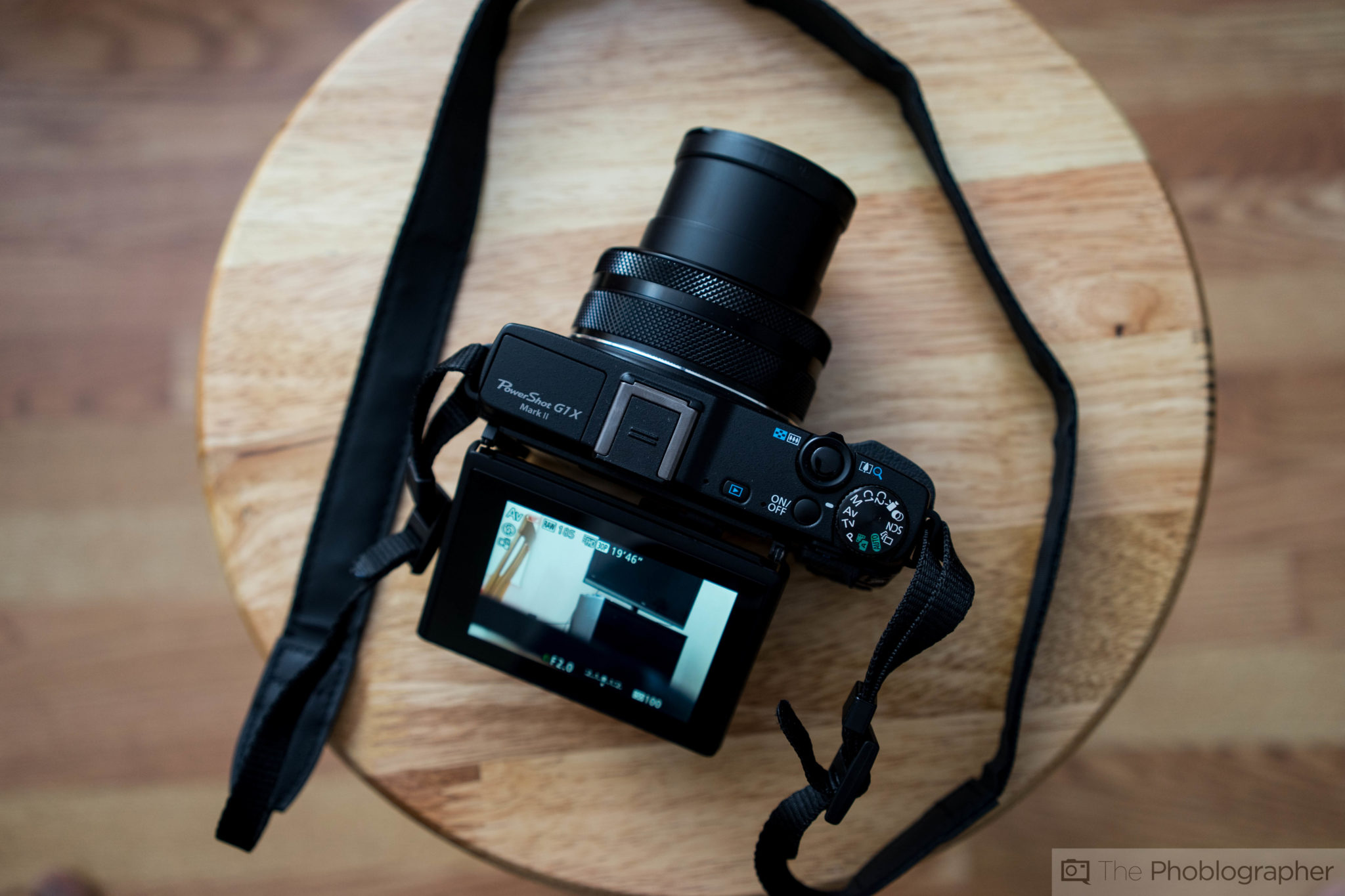
There is a particular kind of joy in watching a photographer choose the older tool, not because they cannot afford the new one, but because they have learned what matters. The Canon G1X Mark II, a decade old, is not the sharpest or the fastest option on the shelf in 2026. Yet, as the article reminds us, it remains a compelling companion for the streets. We have watched the industry chase specifications, and we have also watched the quiet return to character. It parallels the way we find ourselves drawn to the tangible, imperfect moments in our own work, whether that is on a busy sidewalk or in a curated studio. This is not nostalgia for nostalgia's sake; it is a recognition that the essence of an image often lives in the handling, the limitations, and the unexpected spark they provoke.
Our take is that this story is less about the camera itself and more about the philosophy of choice. Street photography has always been an exercise in authenticity, a pursuit that rewards presence over pixel count. You can see this same spirit in the work of those who document their cities with a phone, just as you can in the careful framing of a dedicated compact. It is why we have long championed the idea that the gear is secondary to the eye, a sentiment echoed in our piece on Finding Joy on the Streets, One Frame After Fashion. The G1X Mark II, with its older sensor and slower autofocus, forces a certain intentionality. You cannot spray and pray; you must anticipate, wait, and feel the rhythm of the block. That constraint is not a weakness. It is a filter that strips away the noise and leaves you with the purest form of the craft.
For the reader who asks us, "Should I chase the new Ricoh or the Leica?" our answer is a gentle but firm: consider what you are actually seeking. The new cameras are fantastic, no doubt, but they often solve problems you do not have. The joy of the older model is that it asks you to slow down, to engage with the scene rather than the screen. It is a counterpoint to the relentless pace of modern life, a reminder that the best frame is often the one you see with your heart, not the one the eye-tracking autofocus locks onto. This is the same lesson we explored in our coverage of the 5 Boro Foto Fest, where the artistry of the street took center stage over technical perfection. The festival, much like this old Canon, is a testament to the enduring power of observation and timing. It is about the moment, not the megapixels.
So, what is the concrete point to watch? It is this: the next time you see a photographer with a "dated" camera, do not assume they are behind the times. They might just be ahead of the curve, holding a piece of equipment that still delivers where it counts. The Canon G1X Mark II is a quiet rebellion against the idea that newer is always better. It is a statement that the soul of street photography remains unchanged. The question we leave with you is simple, yet it lingers: in a world that insists on constant upgrades, what are you willing to keep, and why? The answer might just tell you more about your own creative path than any new release ever could.