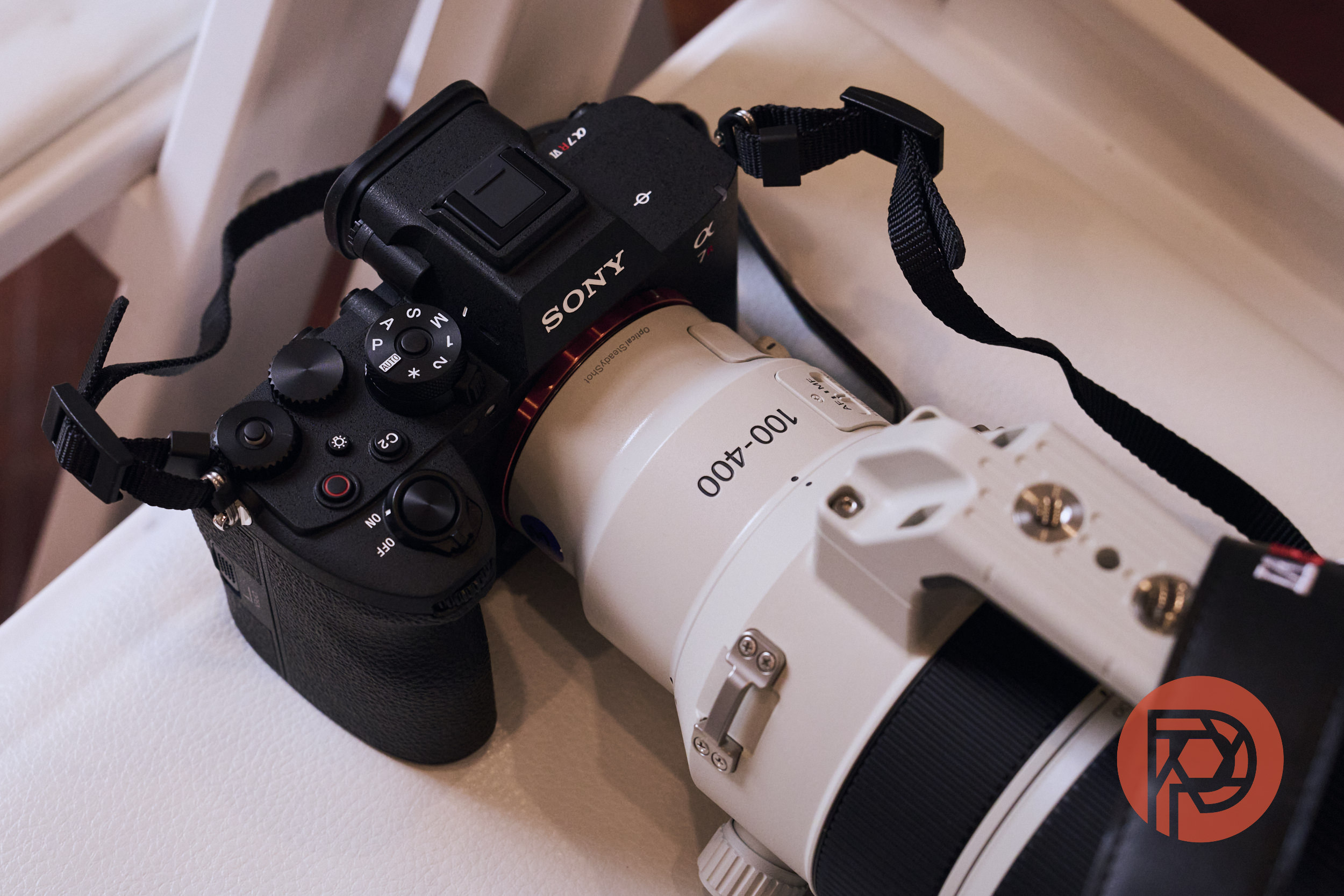
There is a quiet irony in how the most connected era of photography has produced some of the least enduring tools. The article reminds us that a decade of support used to be the baseline, not a luxury. For working photographers, that longevity was never about nostalgia; it was about trust. You learned a camera's soul over years, not weeks, and the gear became an extension of your eye. The current cycle of refresh-driven upgrades, accelerated by brands like Sony, has traded that trust for a treadmill of incremental gains. The result is a generation of creators who are perpetually relearning their own tools, chasing sharpness and dynamic range while losing the muscle memory that once made the craft feel instinctive.
This is not a rejection of progress. The article correctly notes that Sony did good things for the industry, pushing autofocus and low-light performance to places we once only dreamed of. But good things can become corrosive when they are bundled into a business model that treats obsolescence as a feature. The practical takeaway for our readers is simple: your camera is likely more capable than you are using it for. Before you surrender to the next body with a slightly better sensor, ask yourself what a new piece of glass or a shift in your own technique might offer instead. The magic was never in the megapixels; it was in the patience to master the instrument you already hold. That is a form of artistry that no firmware update can replicate.
If a reader came to us asking whether to upgrade, we would tell them this: look at your last hundred frames, not the marketing emails. If your current camera still delivers the images you envision, the most creative investment you can make is not a new body but a new perspective. The industry thrives on making you feel behind, but the history in this article suggests the opposite: the best photographers were never the first to adopt; they were the ones who outlasted the hype cycles. The quiet return of camera longevity is not just a trend; it is a correction. It is a recognition that the relationship between maker and tool should be built on trust, not planned obsolescence.
The specific detail to watch is how the secondary market responds as more photographers hold onto their gear longer. If the resale value of well-maintained older bodies stabilizes, the message is clear: durability is becoming a status symbol again. That is a shift worth framing. Because in a world that constantly tells you to move on, the most radical stance is to stay, to master, and to let your work speak for the years you invested. The camera was never the limit. The limit was always the willingness to stay curious with what you have.